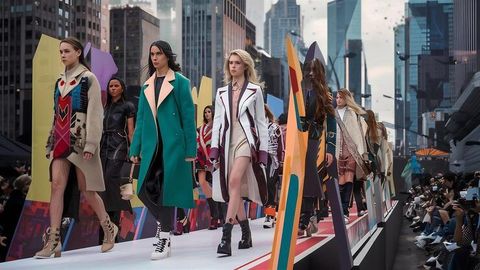
US Clothing Brands: Exploring Modern Fashion and Design Trends
The United States has a diverse and influential fashion industry shaped by creativity, cultural diversity, technological developments, and changing consumer preferences. US clothing brands play an important role in defining modern fashion by combining traditional designs with contemporary styles, innovative materials, and evolving production methods. From casual everyday clothing and sportswear to luxury fashion and sustainable apparel, American brands represent a wide range of styles and design philosophies.
Modern fashion is no longer limited to appearance alone. Consumers increasingly consider product quality, comfort, durability, material selection, and environmental responsibility when exploring clothing collections. At the same time, digital transformation has changed how fashion companies design, manage, present, and distribute their collections.
Technology such as fashion design software, apparel inventory management systems, retail analytics tools, and digital commerce platforms has become increasingly relevant to the industry. These developments help brands understand changing preferences and improve their operations.
Understanding US clothing brands and modern fashion trends provides valuable insight into the relationship between design, technology, consumer behavior, and the future of the global apparel industry.
What Are US Clothing Brands?
US clothing brands are fashion companies established in or strongly associated with the United States. They develop clothing collections for different audiences, occasions, lifestyles, and fashion preferences.
These brands operate across several categories, including casualwear, formalwear, sportswear, denim, streetwear, outdoor clothing, and luxury fashion. Some focus on timeless designs, while others emphasize seasonal collections, contemporary aesthetics, or performance-oriented materials.
Well-known American fashion brands include Levi's, Ralph Lauren, Nike, Calvin Klein, Tommy Hilfiger, Gap, and American Eagle. Each represents a different approach to fashion and brand identity.
For example, Levi's is widely recognized for denim clothing, while Ralph Lauren is associated with classic American-inspired designs. Nike focuses on athletic apparel and performance-oriented clothing, whereas Calvin Klein is known for minimalist styling.
These differences demonstrate the variety within the American fashion industry. Brands develop distinct identities through their designs, materials, manufacturing approaches, marketing strategies, and customer experiences.
Benefits and Importance of American Clothing Brands
US clothing brands influence international fashion through design innovation, cultural trends, business development, and technological advancements.
1. Diverse Fashion Styles
American fashion includes a broad selection of clothing styles. Consumers can explore casual outfits, professional clothing, sportswear, luxury collections, and contemporary streetwear.
This diversity allows brands to serve different lifestyles and fashion preferences. For example, denim remains an important part of casual American fashion, while tailored clothing continues to influence professional wardrobes.
2. Design Innovation
Many American brands experiment with fabrics, colors, shapes, and clothing construction techniques.
Modern fashion design software allows designers to develop digital sketches, examine garment proportions, and visualize collections before physical samples are created. These tools can improve collaboration between designers and production teams.
3. International Fashion Influence
American clothing brands have influenced fashion preferences across different international markets. Music, entertainment, sports, and digital media have contributed to the worldwide visibility of American fashion.
Denim jackets, athletic clothing, casual sneakers, and oversized streetwear are examples of styles that have become popular across different regions.
4. Technological Development
Technology has become an important part of modern apparel operations. Fashion companies increasingly use apparel ERP systems, supply chain management software, and inventory tracking solutions.
These technologies support planning, product development, inventory organization, and operational coordination.
5. Greater Attention to Sustainability
Environmental awareness is influencing clothing materials and manufacturing practices. Some brands are exploring recycled fibers, organic cotton, responsible sourcing, and improved production processes.
These developments reflect a broader movement toward more environmentally conscious fashion.
Key Features and Types of US Clothing Brands
The American apparel industry includes several major fashion categories. Each category has distinct design characteristics and target audiences.
1. Casual Clothing Brands
<PRIVATE_PERSON>Casual clothing focuses on everyday comfort, versatility, and practical styling. Denim, T-shirts, sweatshirts, casual trousers, and lightweight jackets are common examples.
Brands such as Gap and American Eagle are associated with everyday clothing collections. Their designs demonstrate how simple clothing styles can remain relevant across changing fashion seasons.
2. Luxury and Premium Fashion Brands
Luxury and premium fashion emphasize design identity, craftsmanship, fabric selection, and brand heritage.
Ralph Lauren is an example of an American brand associated with classic styling and refined clothing collections. This category often combines traditional design elements with contemporary fashion influences.
3. Sportswear and Activewear Brands
Sportswear brands develop clothing for athletic activities, exercise, outdoor recreation, and everyday comfort.
Nike is a prominent example of an American sportswear brand. Performance fabrics, breathable materials, moisture management, and ergonomic garment construction are important features in this category.
4. Denim and Streetwear Brands
Denim and streetwear remain influential parts of American fashion culture.
Levi's has a long association with denim clothing, while brands influenced by urban culture frequently experiment with relaxed silhouettes, graphic designs, layered outfits, and distinctive accessories.
5. Minimalist Fashion Brands
Minimalist fashion emphasizes clean silhouettes, neutral colors, simple patterns, and versatile clothing combinations.
Calvin Klein is associated with minimalist design elements. This approach demonstrates how straightforward visual styling can establish a recognizable brand identity.
Practical Guide to Understanding Modern Fashion Trends
Understanding fashion trends requires more than following seasonal collections. It involves examining consumer preferences, material innovation, cultural influences, and technological developments.
Understand Fabric and Material Selection
Fabric selection influences comfort, appearance, durability, and garment performance.
Cotton is commonly used in everyday clothing because of its softness and breathability. Polyester is frequently incorporated into sportswear because of its functional properties, while wool is valued for insulation and temperature regulation.
Consumers can evaluate fabric composition and garment construction to understand how different materials suit particular activities and environments.
Examine Brand Identity
Every clothing brand communicates a particular design philosophy.
Some emphasize timeless clothing, while others focus on contemporary trends, athletic performance, or environmental responsibility.
Examining brand collections, visual identity, material choices, and design consistency helps explain how companies differentiate themselves within the fashion industry.
Explore Digital Fashion Tools
Digital technology is changing the fashion development process.
Examples include:
Fashion design software for digital garment development.
3D clothing visualization tools for examining garment designs.
Apparel inventory management software for tracking products.
Retail analytics platforms for understanding consumer preferences.
Supply chain management systems for coordinating production activities.
Fashion marketing automation tools for organizing digital communication.
These technologies can help fashion businesses improve coordination and make more informed operational decisions.
Consider Clothing Quality and Versatility
A practical approach to understanding fashion involves examining stitching, fabric composition, garment construction, fit, and durability.
Versatile clothing can be incorporated into different outfits and occasions. For example, a denim jacket may complement casual clothing, while a neutral blazer can work in both professional and semi-formal settings.
Challenges and Limitations in the US Clothing Industry
Despite its influence and innovation, the American fashion industry faces several challenges.
Changing Consumer Preferences
Fashion preferences can change quickly because of social media, cultural developments, celebrity influence, and seasonal trends.
Brands must understand these changes while maintaining a consistent identity. Relying entirely on short-term trends can make long-term planning more difficult.
Supply Chain Complexity
Clothing production often involves multiple stages, including material sourcing, manufacturing, quality inspection, transportation, and distribution.
International supply chains can introduce logistical difficulties, production delays, and coordination challenges. Supply chain management software and inventory tracking systems can support better visibility across these processes.
Environmental Concerns
Textile production can involve substantial water consumption, energy use, chemical processing, and material waste.
Brands are exploring recycled materials, improved manufacturing practices, and more efficient textile production methods. However, implementing these changes across complex supply chains requires long-term planning.
Competition in Digital Retail
Online shopping platforms have increased competition among fashion companies. Brands must maintain clear product information, consistent digital experiences, and reliable customer support.
Retail analytics tools and omnichannel retail solutions can help companies understand customer interactions across physical and digital channels.
Maintaining Product Quality
Maintaining consistent quality across different manufacturing facilities can be challenging.
Companies need effective quality control systems, material standards, and production monitoring procedures to maintain consistent garment specifications.
Future Trends in American Fashion
The future of US clothing brands will likely be shaped by technological innovation, sustainability, personalization, and changing consumer expectations.
Artificial Intelligence in Fashion Design
Artificial intelligence is becoming increasingly relevant to fashion development. AI-powered design tools can assist with visual concepts, pattern exploration, trend analysis, and product planning.
These technologies may help designers examine multiple creative directions and improve the efficiency of early development stages.
Sustainable Textile Innovation
The development of recycled fibers, bio-based materials, and improved textile processing methods is expected to remain important.
Brands are also examining ways to reduce material waste and improve resource efficiency throughout clothing production.
3D Design and Virtual Prototyping
Three-dimensional design technology allows fashion teams to visualize garments digitally.
Virtual prototypes can help designers evaluate proportions, colors, and garment structures before producing physical samples. This approach may reduce unnecessary sampling and improve communication between development teams.
Personalized Fashion Experiences
Digital commerce platforms and customer analytics systems are creating opportunities for more personalized fashion experiences.
Companies can examine browsing preferences, previous interactions, and product interests to improve how collections are presented to different audiences.
Smart Clothing and Functional Materials
Smart textiles represent another developing area of fashion innovation. Some materials can interact with environmental conditions, monitor specific physical signals, or provide improved temperature management.
Although these applications are still developing across different clothing categories, they demonstrate how technology may expand the functionality of everyday apparel.
Conclusion
US clothing brands represent an important part of the global fashion industry. Their influence extends across casualwear, luxury clothing, denim, sportswear, streetwear, and contemporary design. Brands such as Levi's, Nike, Ralph Lauren, Gap, and Calvin Klein demonstrate the variety of approaches that shape American fashion.
Modern developments are also changing how clothing collections are designed, manufactured, managed, and presented. Fashion design software, apparel management systems, retail analytics platforms, sustainable textile technologies, and digital commerce solutions are becoming increasingly relevant to the industry.
At the same time, environmental responsibility, product quality, supply chain coordination, and changing consumer preferences remain important considerations.
As technology and design continue to evolve, American fashion brands will have opportunities to explore new materials, improve production methods, and develop more adaptable clothing collections. Understanding these developments provides a useful perspective on the direction of modern fashion and the wider apparel industry.

Related Post...