Latest Fashion Trends and Popular Clothing Brands
Fashion is constantly evolving, reflecting changes in lifestyle, culture, technology, and personal preferences. The latest fashion trends in 2026 demonstrate how people are combining traditional clothing styles with modern designs, creative accessories, and comfortable fabrics. From relaxed tailoring and expressive colours to sustainable fashion and versatile everyday outfits, today's clothing choices provide opportunities for individual expression.
Popular clothing brands play an important role in shaping these developments. International fashion names such as Zara, H&M, Nike, Adidas, Gucci, Prada, Levi's, Uniqlo, and Louis Vuitton influence clothing designs, seasonal collections, and everyday styling preferences.
Fashion is no longer limited to runway appearances or special occasions. Casual wear, streetwear fashion, luxury clothing, and practical wardrobe essentials have become important parts of everyday life. Understanding these developments can help individuals identify suitable styles, explore different clothing categories, and develop a wardrobe that reflects their personalities.
What Are the Latest Fashion Trends?
Fashion trends refer to popular clothing styles, colours, fabrics, patterns, and accessories that influence how people dress during a particular period. They develop through designer collections, cultural movements, social media, entertainment, and changing consumer preferences.
The latest fashion trends combine creativity with practicality. Rather than following a single appearance, people are experimenting with different styles and creating combinations that suit their daily activities.
Several developments are particularly noticeable in 2026:
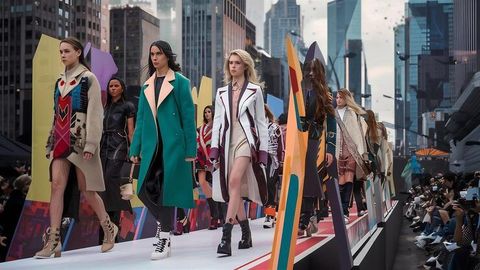
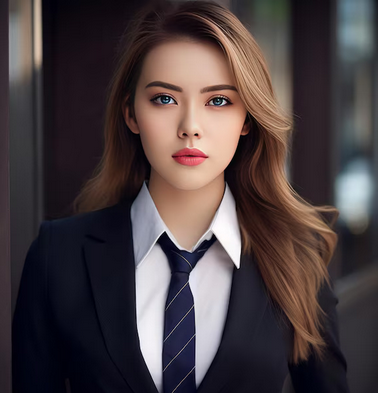
Relaxed tailoring: Comfortable blazers, wide-leg trousers, and structured jackets are becoming important wardrobe elements.
Expressive colours: Deep red, rich purple, green, and other vibrant shades are adding personality to modern clothing.
Layered outfits: Combining shirts, jackets, sweaters, and lightweight outerwear creates more versatile looks.
Vintage-inspired fashion: Retro patterns, classic denim, and traditional silhouettes are returning with contemporary details.
Minimalist clothing: Simple designs, neutral colours, and clean silhouettes remain popular for everyday dressing.
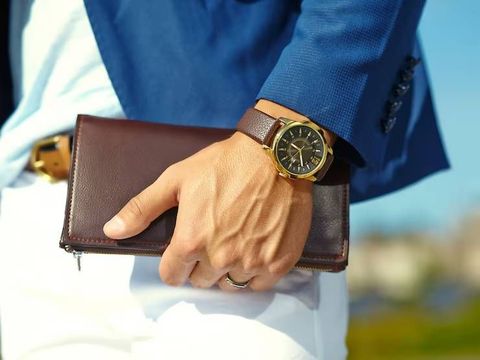
Statement accessories: Distinctive handbags, footwear, belts, and jewellery help create individual styles.
These developments show that modern fashion combines traditional influences with new design ideas.
Benefits and Importance of Following Fashion Trends
Fashion influences personal presentation, cultural expression, and everyday lifestyle choices. Understanding current clothing developments helps individuals make informed decisions about their wardrobes.
Personal Expression and Confidence
Clothing provides an opportunity to communicate personality, creativity, and individual preferences. Some people prefer minimalist outfits, while others enjoy colourful streetwear or elegant formal clothing.
For example, someone working in a creative environment might combine relaxed trousers, a fitted shirt, and modern sneakers. Another individual may prefer a traditional jacket with simple accessories.
Both approaches demonstrate how fashion can reflect individual identity.
Better Wardrobe Planning
Understanding fashion trends makes it easier to identify versatile clothing pieces that work together.
Wardrobe essentials such as plain T-shirts, denim jeans, neutral shirts, comfortable footwear, and lightweight jackets can support different outfit combinations.
This approach also reduces unnecessary wardrobe duplication and encourages thoughtful clothing choices.
Understanding Clothing Quality
Fashion awareness encourages people to examine fabric composition, stitching, durability, comfort, and garment construction.
For example, cotton clothing is commonly preferred for everyday comfort, while wool and other insulating materials are useful in cooler conditions.
Understanding these characteristics helps individuals evaluate clothing collections more effectively.
Popular Clothing Brands and Their Fashion Influence
International clothing brands influence modern fashion through design innovation, product development, seasonal collections, and changing style preferences.
Different brands focus on different audiences, clothing categories, and design philosophies.
Zara
Zara is widely recognised for contemporary clothing, modern silhouettes, and frequently updated fashion collections. Its designs include casual outfits, formal clothing, outerwear, and accessories.
The brand reflects changing fashion preferences through adaptable designs and seasonal collections.
H&M
H&M focuses on everyday clothing, casual fashion, contemporary designs, and different wardrobe categories. Its collections include shirts, dresses, denim, jackets, and accessories.
The brand also highlights initiatives related to material innovation and more sustainable clothing practices.
Nike
Nike is an internationally recognised sportswear brand known for athletic footwear, performance clothing, and sports-inspired lifestyle products.
Its influence extends beyond sports activities, particularly through streetwear fashion, casual outfits, and sneaker culture.
Adidas
Adidas combines sportswear design with everyday clothing and lifestyle fashion. Its collections include athletic footwear, tracksuits, casual shirts, and accessories.
The brand has also influenced modern streetwear through collaborations and heritage-inspired designs.
Levi's
Levi's is particularly associated with denim clothing. Its jeans, denim jackets, and casual apparel remain important elements of everyday wardrobes.
Classic denim designs continue to influence both traditional and contemporary fashion.
Gucci and Prada
Gucci and Prada represent prominent names in luxury fashion. Their collections frequently feature distinctive designs, premium materials, creative accessories, and experimental styling.
These brands influence runway fashion and provide inspiration for designers across the international clothing industry.
Uniqlo
Uniqlo is recognised for functional everyday clothing, simple silhouettes, and practical wardrobe essentials.
Its approach focuses on comfort, versatility, fabric development, and clothing suitable for different daily activities.
Key Features and Types of Modern Fashion
Modern fashion includes several categories, each serving different preferences and lifestyles.
Casual Wear
Casual wear includes T-shirts, jeans, shirts, sneakers, sweatshirts, and comfortable trousers. These garments are suitable for everyday activities and informal environments.
Neutral colours and simple designs make casual clothing easier to combine.
Streetwear Fashion
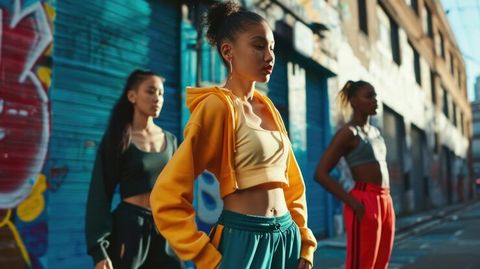
Streetwear combines urban culture, sportswear influences, graphic designs, oversized silhouettes, and distinctive footwear.
Hoodies, relaxed trousers, graphic T-shirts, and sneakers are common elements. Nike, Adidas, and other international brands have influenced this category.
Luxury Fashion
Luxury fashion focuses on distinctive design, material quality, craftsmanship, and brand identity.
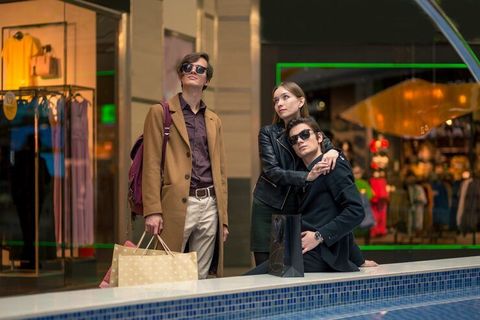
Tailored jackets, structured handbags, elegant dresses, and premium footwear are common examples.
Sustainable Fashion
Sustainable fashion focuses on reducing the environmental impact associated with clothing production and consumption.
Common approaches include recycled textiles, organic materials, responsible manufacturing, durable garments, and improved supply chain management.
Sportswear and Athleisure
Sportswear includes clothing designed for physical activities, while athleisure combines athletic-inspired designs with everyday outfits.
Leggings, performance T-shirts, lightweight jackets, and comfortable sneakers are popular examples.
Practical Tips for Building a Modern Wardrobe
Following fashion trends does not require changing an entire wardrobe every season. A practical approach focuses on selecting suitable clothing and combining existing pieces creatively.
Understand Personal Style
Begin by identifying preferred colours, fabrics, clothing shapes, and everyday requirements.
Some individuals prefer minimalist fashion, while others enjoy bold patterns and contemporary streetwear.
Understanding personal preferences makes wardrobe planning easier.
Focus on Versatile Clothing
Choose clothing that works across multiple occasions. A neutral blazer, classic jeans, plain shirt, and comfortable footwear can create several different combinations.
Versatile garments also make seasonal wardrobe adjustments more manageable.
Examine Fabric and Construction
Check fabric composition, stitching, garment finishing, and washing instructions.
Clothing made with suitable materials can provide better comfort and maintain its appearance through regular use.
Use Digital Fashion Tools
Modern fashion technology has introduced several useful resources for wardrobe planning and style exploration.
Examples include:
Virtual styling tools for exploring outfit combinations.
AI fashion applications for personalised style suggestions.
Digital wardrobe platforms for organising clothing collections.
Clothing size recommendation systems for understanding garment measurements.
Fashion discovery platforms for exploring seasonal collections.
These solutions help make fashion research and wardrobe organisation more convenient.
Combine Trends With Classic Styles
Not every seasonal trend needs to become a permanent wardrobe choice.
For example, a person can combine a contemporary oversized jacket with classic denim jeans and simple footwear. This creates a modern appearance without depending entirely on short-term trends.
Challenges and Limitations in the Fashion Industry
Despite its creativity and global influence, the fashion industry faces several challenges.
Environmental Impact
Clothing production requires raw materials, energy, water, transportation, and manufacturing processes. Textile waste and excessive production can also create environmental concerns.
Sustainable fashion initiatives are encouraging improved material selection, recycling, and responsible production practices.
Changing Consumer Preferences
Fashion preferences change frequently. A clothing style that receives attention during one season may become less popular later.
Brands must continuously study consumer behaviour, design developments, and market research to remain relevant.
Product Quality and Consistency
Different clothing collections may vary in fabric quality, stitching, sizing, and durability.
Maintaining consistent manufacturing standards across large production networks remains an important challenge.
Technology and Data Management
Fashion companies increasingly depend on inventory management software, supply chain systems, demand forecasting tools, and digital retail platforms.
However, integrating these technologies requires technical expertise, reliable data, and effective management processes.
Future Trends in Fashion
The future of fashion will likely involve greater integration of technology, sustainability, personalisation, and innovative clothing materials.
Artificial Intelligence in Fashion
Artificial intelligence is becoming increasingly relevant to fashion design, trend analysis, and digital styling.
AI-powered solutions can analyse clothing preferences, identify emerging patterns, and assist designers with creative development.
Smart Clothing and Wearable Technology
Smart clothing combines textiles with electronic components and digital systems.
Examples include garments with integrated sensors, temperature monitoring capabilities, and activity-tracking features.
These developments may create additional applications in sports, healthcare, and everyday lifestyle products.
Sustainable Materials and Manufacturing
Research into recycled fibres, plant-based textiles, and alternative materials is expected to influence future clothing collections.
Manufacturers are also exploring improved production systems that reduce material waste and support more efficient resource management.
Personalised Fashion Experiences
Digital fashion platforms and virtual styling applications are making it easier to explore clothing combinations and discover suitable styles.
In the future, advanced recommendation systems may provide more personalised experiences based on individual preferences, measurements, and lifestyle requirements.
Conclusion
The latest fashion trends reflect a combination of creativity, comfort, technology, and changing lifestyle preferences. From relaxed tailoring and streetwear fashion to luxury collections and sustainable clothing, modern fashion provides many opportunities for personal expression.
Popular clothing brands such as Zara, H&M, Nike, Adidas, Levi's, Gucci, Prada, and Uniqlo continue to influence clothing designs and everyday styling choices.
Understanding fashion categories, evaluating clothing quality, and exploring digital fashion tools can help individuals develop practical wardrobes. As artificial intelligence, smart clothing, and sustainable materials continue to evolve, the fashion industry is likely to experience further changes in design, manufacturing, and personal styling.
Related Post...