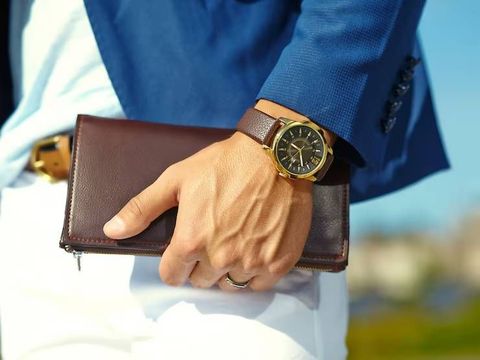
Popular Watch Brands for Everyday Style and Fashion
Watches have become an important part of everyday fashion, combining practical timekeeping with personal style. Whether someone prefers a classic design, a modern appearance, or a sporty look, the right watch can complement different outfits and occasions. Popular watch brands offer a wide range of designs, materials, features, and technologies to suit different preferences.
From traditional analogue watches to modern digital and smart timepieces, the watch industry continues to evolve. Many brands focus on craftsmanship, durability, comfort, and innovative features while maintaining distinctive design identities. Some are recognised for their elegant collections, while others are known for sports-inspired designs and advanced technology.
Understanding popular watch brands can help people explore different styles and identify features that match their everyday routines. This guide explains well-known watch brands, important watch characteristics, different types, practical selection tips, common limitations, and emerging trends in the global watch industry.
What Are Popular Watch Brands?
Popular watch brands are companies recognised for producing timepieces with distinctive designs, reliable performance, and different functional features. These brands serve a variety of style preferences, from traditional and minimalist designs to contemporary and technology-focused products.
Some brands concentrate on traditional watchmaking, using mechanical movements and carefully designed components. Others focus on accessible everyday watches, sports functionality, or smart technology.
Several internationally recognised watch brands include:
Rolex: Known for luxury watchmaking, recognisable designs, and mechanical movements.
Omega: Recognised for precision engineering, traditional craftsmanship, and sports-inspired collections.
Casio: Popular for digital watches, durable designs, and practical everyday features.
Seiko: Known for diverse collections, reliable movements, and Japanese watchmaking.
Citizen: Recognised for innovative technologies, including Eco-Drive watches.
Timex: Offers traditional and contemporary designs suitable for everyday use.
Fossil: Known for fashion-focused watches with modern and classic styling.
Tissot: Combines Swiss watchmaking traditions with contemporary designs.
Swatch: Recognised for colourful, creative, and casual watch collections.
Each brand has its own design philosophy, making it easier for people to explore different options according to their preferences.
Benefits and Importance of Everyday Watches
Watches provide more than a way to check the time. They can contribute to personal appearance, daily organisation, and individual expression.
1. Enhancing Personal Style
A watch can complement casual, professional, and formal clothing. A simple metal watch may suit office attire, while a colourful or sporty design can work well with relaxed outfits.
For example, someone wearing a formal shirt and trousers might prefer a minimalist analogue watch with a leather strap. A person choosing casual clothing may prefer a digital watch with a comfortable resin strap.
2. Supporting Daily Time Management
Traditional watches allow people to check the time without opening a smartphone. This can be useful during meetings, classes, travel, and other everyday activities.
Some modern watches also include alarms, timers, calendars, and stopwatch functions that support daily organisation.
3. Offering Versatile Design Choices
Popular watch brands produce collections for different occasions and personal preferences. Interchangeable straps, different dial colours, and various case materials allow users to explore multiple appearances.
4. Reflecting Personal Preferences
A watch can communicate individual interests and design preferences. Some people appreciate traditional craftsmanship, while others prefer modern technology, lightweight materials, or minimalist styling.
5. Providing Long-Term Practical Value
A properly maintained watch can remain useful for many years. Durable materials, dependable movements, and suitable maintenance practices contribute to its overall lifespan.
Key Features and Types of Watches
Understanding watch features makes it easier to compare different brands and designs.
1. Analogue Watches
Analogue watches display time through traditional hour, minute, and sometimes second hands. They are available in classic, minimalist, luxury, and contemporary designs.
These watches are suitable for people who appreciate traditional appearance and straightforward timekeeping.
2. Digital Watches
Digital watches display time using numerical screens. Many models include additional functions such as alarms, stopwatches, countdown timers, and backlighting.
Casio is particularly recognised for its digital watch collections, which include everyday and sports-oriented designs.
3. Automatic Watches
Automatic watches use mechanical movements powered by the movement of the wearer's wrist. They do not generally require a conventional battery.
These watches appeal to people interested in traditional watchmaking, mechanical engineering, and detailed craftsmanship.
4. Quartz Watches
Quartz watches use an electronic movement regulated by a quartz crystal. They commonly operate with batteries and are appreciated for their accuracy and convenient maintenance requirements.
Many established watch brands include quartz models in their everyday collections.
5. Smartwatches
Smartwatches combine timekeeping with digital technology. Depending on the model, they may provide notifications, activity tracking, fitness monitoring, navigation, and smartphone connectivity.
These devices are useful for people who prefer technology-focused features alongside everyday timekeeping.
6. Sports Watches
Sports watches are designed with features that support active lifestyles. Depending on the model, they may include improved water resistance, durable cases, stopwatch functions, and activity-related features.
They are often designed for outdoor activities, exercise, and recreational use.
Practical Tips for Choosing an Everyday Watch
Selecting an appropriate watch involves considering personal style, comfort, functionality, and everyday requirements.
Consider Your Everyday Clothing
Think about the clothing styles you regularly wear. A neutral-coloured watch with a simple dial can complement different outfits, while a distinctive design may suit people who prefer statement accessories.
Select a Comfortable Case Size
Watch case dimensions influence appearance and comfort. Larger cases may create a noticeable appearance, while smaller cases often provide a more understated look.
The watch should sit comfortably on the wrist without restricting movement.
Understand Strap Materials
Common strap materials include stainless steel, leather, silicone, and resin.
Stainless steel provides a structured and contemporary appearance.
Leather creates a traditional and formal look.
Silicone is suitable for active routines and casual styling.
Resin is commonly used in lightweight digital and sports watches.
The most appropriate material depends on comfort, personal preferences, and intended activities.
Check Movement and Accuracy
Consider whether a quartz, automatic, or digital movement better matches your routine. Quartz models generally provide convenient timekeeping, while automatic watches appeal to people interested in mechanical craftsmanship.
Review Water Resistance
Water resistance ratings indicate how a watch is designed to handle exposure to water under specified conditions. They do not mean every water-resistant watch is appropriate for swimming or diving.
Always review the manufacturer's instructions before exposing a watch to water.
Explore Watch Technology and Features
Modern watch technology includes smart connectivity, solar charging, activity tracking, and advanced timekeeping systems.
Consider which functions are genuinely useful instead of choosing a model based only on the number of available features.
Challenges and Limitations of Different Watch Brands
Although watches provide several practical and fashion-related advantages, different models also have certain limitations.
Maintenance Requirements
Mechanical and automatic watches may require periodic servicing to maintain their performance. Quartz watches usually require battery replacement, while smartwatches may need software updates and regular charging.
Maintenance requirements vary according to the movement and construction.
Material Durability
Not all watch materials perform equally in different environments. Leather straps may be affected by moisture, while some lightweight materials may show signs of wear with frequent use.
Selecting appropriate materials can help improve everyday comfort and durability.
Technology Limitations
Smartwatches depend on electronic components, software, and battery performance. Some functions may require a compatible smartphone or an active connection.
Traditional watches generally provide fewer digital functions but may require less interaction with other devices.
Differences in Design Preferences
A watch that suits one person's style may not appeal to another. Brand reputation alone does not guarantee that a particular design will match individual requirements.
It is important to consider comfort, appearance, and functionality together.
Future Trends in the Watch Industry
The watch industry continues to develop through changes in technology, materials, manufacturing, and consumer preferences.
Smartwatch Integration
Smartwatches are becoming more integrated with digital lifestyles. Manufacturers continue developing features related to connectivity, activity tracking, navigation, and personal notifications.
Sustainable Materials
Environmental awareness is influencing product development across the fashion industry. Some watch manufacturers are exploring recycled materials, more responsible packaging, and alternative strap materials.
Solar-Powered Technology
Solar-powered watches use light to generate energy for their internal systems. This technology can reduce dependence on conventional battery replacement and support convenient everyday use.
Minimalist and Versatile Designs
Minimalist watches remain relevant because their simple appearance can complement different clothing styles. Neutral colours, clean dials, and comfortable straps are likely to remain important design elements.
Advanced Manufacturing Systems
Modern manufacturing technologies are improving precision, consistency, and quality control. Computer-assisted design tools, automated production systems, and advanced materials are helping manufacturers develop increasingly detailed watch components.
Conclusion
Popular watch brands provide a wide variety of choices for people interested in combining timekeeping with everyday fashion. From traditional analogue designs and automatic movements to digital watches and smart technology, each category offers different advantages.
Brands such as Rolex, Omega, Casio, Seiko, Citizen, Timex, Fossil, Tissot, and Swatch represent different approaches to watch design and functionality. Understanding their characteristics can help people explore suitable styles.
When considering an everyday watch, it is important to evaluate comfort, movement type, strap material, durability, water resistance, and useful features. Rather than focusing only on brand recognition, choosing a timepiece that complements daily activities and personal style can provide a more satisfying experience.

Related Post...