Sportswear and Activewear: Types, Features, and Latest Trends
Sportswear and activewear have become important parts of modern clothing, combining comfort, functionality, and personal style. Previously, athletic clothing was mainly associated with professional athletes and people participating in regular sports activities. Today, these clothing categories are widely used for exercise, outdoor activities, travel, and everyday routines. Their growing popularity reflects changing lifestyles and increasing awareness of physical fitness, comfort, and practical fashion.
Modern sportswear is designed to support specific physical activities, while activewear provides flexibility for exercise and general daily use. Both categories include different clothing options, such as athletic shirts, leggings, training shorts, sports bras, jackets, and performance footwear. Advances in fabric technology, garment construction, and textile manufacturing have also improved their overall quality and functionality.
Understanding the different types, essential features, and latest sportswear trends can help individuals choose suitable clothing for their activities. This guide explores the importance of sportswear and activewear, their practical applications, common limitations, and the developments shaping the future of performance clothing.
What Are Sportswear and Activewear?
Sportswear refers to clothing specifically designed for sports, exercise, and physical activities. These garments focus on movement, comfort, durability, and performance. Examples include running shorts, football jerseys, cycling clothing, swimming costumes, and specialized training outfits.
Activewear is a broader clothing category that includes garments designed for exercise, fitness routines, and everyday activities. It combines functional features with contemporary fashion, making it suitable for environments beyond gyms and sports facilities.
Although the terms are frequently used together, their purposes can differ.
Sportswear generally focuses on the requirements of particular athletic activities.
Activewear combines exercise functionality with everyday comfort and style.
Performance apparel uses specialized fabrics and construction techniques to support physical movement.
Athleisure combines athletic-inspired clothing with casual fashion.
For example, a professional runner may prefer lightweight clothing with moisture-wicking properties, while someone attending a fitness class may choose flexible leggings and a breathable training shirt.
Benefits and Importance of Sportswear and Activewear
Appropriate clothing can improve the comfort and practicality of different physical activities. The right combination of fabric, fit, and construction helps individuals move confidently while maintaining comfort.
1. Improved Comfort and Flexibility
Sportswear is generally manufactured using materials that allow greater freedom of movement. Stretchable fabrics, flexible waistbands, and carefully designed seams help reduce restrictions during exercise.
For example, yoga practitioners often choose stretchable leggings and fitted tops that support different stretching positions.
2. Moisture Management
Physical activity can increase body temperature and perspiration. Moisture-wicking fabrics help move sweat away from the skin toward the outer surface of the garment, where it can evaporate.
This feature is particularly useful for running, cycling, gym training, and outdoor exercise.
3. Support for Physical Activities
Different sports require different clothing characteristics. Compression garments, supportive sports bras, and padded cycling shorts are examples of specialized apparel designed around particular activity requirements.
Properly selected clothing can also help reduce unnecessary movement and improve wearing comfort.
4. Everyday Versatility
Modern activewear is not limited to exercise environments. Leggings, athletic jackets, comfortable joggers, and casual sports shirts are commonly included in everyday wardrobes.
This versatility makes activewear suitable for walking, travelling, shopping, and informal social activities.
5. Greater Durability
Quality sportswear often uses fabrics designed to withstand repeated movement, stretching, and washing. Reinforced stitching, resilient elastic materials, and durable fabric blends can contribute to longer garment life when maintained correctly.
Key Types of Sportswear and Activewear
Sportswear and activewear include several categories designed for different activities, environments, and personal preferences.
1. Running and Training Apparel
<PRIVATE_PERSON>Running clothing typically includes lightweight shirts, breathable shorts, running tights, and athletic jackets. These garments are designed to support comfortable movement during indoor and outdoor exercise.
Common features include moisture management, lightweight construction, reflective details, and ventilation panels.
2. Gym and Fitness Clothing
Gym clothing includes training shirts, leggings, joggers, sports bras, and flexible shorts. These garments are suitable for strength training, resistance exercises, stretching, and general fitness routines.
Four-way stretch fabrics are particularly useful because they provide flexibility in multiple directions.
3. Yoga and Pilates Wear
Yoga and Pilates clothing emphasizes flexibility, comfort, and a secure fit. Common options include stretchable leggings, fitted tops, lightweight tank tops, and supportive sports bras.
Flat seams and soft fabric surfaces can improve comfort during extended exercise sessions.
4. Outdoor and Adventure Clothing
Outdoor sportswear is designed for activities such as hiking, trekking, cycling, and recreational sports.
Depending on the environment, it may include insulated jackets, waterproof outerwear, thermal layers, wind-resistant clothing, and breathable trousers.
Layering systems are especially useful because they allow individuals to adjust clothing according to changing weather conditions.
5. Team Sports Uniforms
Team sports clothing includes jerseys, shorts, socks, and activity-specific uniforms. Football, basketball, volleyball, and cricket are examples of sports that use specialized apparel.
These garments often feature lightweight materials, ventilation, durable stitching, and designs that support repeated movement.
Essential Features to Consider
Choosing suitable sportswear involves understanding the characteristics that influence comfort, durability, and functionality.
Fabric Technology
Fabric selection plays an important role in athletic clothing. Common materials include polyester, nylon, elastane, cotton blends, and recycled textile fibers.
Polyester is frequently used because of its lightweight structure and moisture-management properties. Elastane provides stretch, while nylon is valued for its durability and smooth texture.
Some manufacturers also use advanced textile solutions, including antimicrobial fabric treatments and temperature-regulating materials.
Breathability and Ventilation
Breathable fabrics allow better airflow, helping manage heat during physical activities. Mesh panels and ventilation zones are commonly incorporated into performance apparel to improve airflow.
Fit and Construction
Sportswear should allow natural movement without feeling excessively tight or loose. Flat seams, stretch panels, adjustable waistbands, and ergonomic construction can contribute to wearing comfort.
Durability and Maintenance
Repeated washing and physical activity can affect fabric performance. Strong stitching, color retention, and resistance to fabric deformation are useful characteristics when evaluating garments.
Practical Tips for Choosing Suitable Sportswear
Selecting appropriate athletic clothing becomes easier when personal activities, environmental conditions, and fabric requirements are considered.
Identify the Intended Activity
Start by determining how the clothing will be used. Running, weight training, yoga, swimming, and hiking have different functional requirements.
For instance, a runner may prioritize lightweight fabrics and ventilation, whereas a person practising yoga may prefer flexible materials with a comfortable fit.
Examine Fabric Composition
Read garment labels to understand the materials used. Polyester and nylon blends are common in performance apparel, while elastane provides additional stretch.
Individuals who prefer natural fibers may consider suitable cotton blends for low-intensity activities, although pure cotton may retain moisture during intense exercise.
Consider Weather Conditions
Climate can influence clothing selection. Lightweight and breathable garments are generally useful in warm conditions, while thermal layers and insulated jackets may be more appropriate for colder environments.
Water-resistant outerwear can also provide practical protection during outdoor activities.
Prioritize Proper Fit
Try to select clothing that supports comfortable movement. Garments should not restrict normal exercise positions or create unnecessary pressure.
Sports bras, compression clothing, and fitted training garments should be selected according to their intended function and individual comfort.
Review Care Instructions
Follow the manufacturer's washing and drying recommendations. Avoiding excessive heat and harsh washing conditions can help maintain fabric elasticity, shape, and overall appearance.
Challenges and Limitations of Sportswear
Despite improvements in textile manufacturing, sportswear and activewear still present several challenges.
One important consideration is fabric performance. Not every material is suitable for every activity. For example, a thick cotton garment may feel uncomfortable during intensive exercise because it can retain perspiration.
Another challenge involves durability. Frequent washing, stretching, friction, and exposure to sunlight can gradually affect fabric quality. Garments with poor construction may lose their shape or elasticity over time.
Environmental sustainability is another important concern. Many performance garments use synthetic fibers, including polyester and nylon. Some synthetic textiles can release microplastic fibers during washing, contributing to environmental pollution.
Sizing consistency can also create difficulties. Different manufacturers may use different measurement standards, making it important to review garment dimensions and fit information.
Finally, specialized performance apparel may incorporate advanced materials and construction methods that require careful maintenance. Understanding product specifications helps individuals make more informed clothing decisions.
Latest Sportswear and Activewear Trends
The sportswear industry continues to evolve through changing consumer preferences, technological development, and greater attention to environmental responsibility.
Sustainable and Recycled Fabrics
Sustainability is becoming an important consideration in textile manufacturing. Some manufacturers are incorporating recycled polyester, regenerated nylon, organic cotton, and other alternative materials into their collections.
Improved textile recycling systems and responsible manufacturing processes may further influence the development of athletic clothing.
Smart Clothing Technology
Smart clothing represents an emerging area of performance apparel. Some products incorporate sensors and connected technology to collect information about movement, body temperature, or physical activity.
These developments may support applications involving fitness tracking, sports performance analysis, and wearable technology platforms.
Seamless Garment Construction
Seamless clothing is gaining attention because it can reduce the number of traditional stitched seams. This construction technique can improve flexibility and help minimize friction in selected garment designs.
It is particularly relevant to leggings, training tops, and fitted athletic clothing.
Functional Fashion and Athleisure
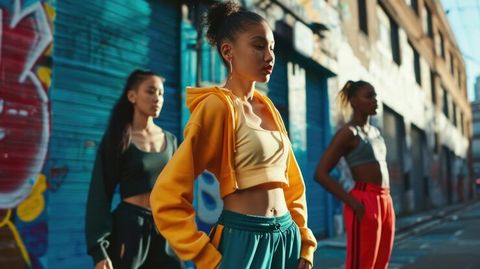
Athleisure continues to influence modern clothing preferences. Athletic-inspired trousers, matching sets, lightweight jackets, and versatile training tops are increasingly used outside fitness environments.
This trend reflects growing interest in clothing that combines practical functionality with contemporary design.
Advanced Fabric Solutions
Textile innovation is introducing new materials with improved moisture management, temperature regulation, stretch recovery, and odor-control properties.
Digital textile design tools and automated garment manufacturing systems are also helping manufacturers explore more efficient production methods.
The Future of Sportswear and Activewear
The future of sportswear will likely be influenced by advancements in textile engineering, wearable technology, and sustainable manufacturing.
Smart fabrics may become more sophisticated, allowing garments to interact with connected devices and provide additional information about physical movement. Artificial intelligence and digital design software may also support fabric development, garment customization, and production planning.
Sustainable textile solutions are expected to remain an important development area. Manufacturers may increasingly explore recycled materials, improved fiber recovery systems, and manufacturing processes designed to reduce waste.
Personalized athletic apparel may also gain attention through digital measurement systems and customized garment designs.
As consumer expectations continue to change, the industry will need to balance comfort, performance, durability, design, and environmental responsibility.
Conclusion
Sportswear and activewear have developed into versatile clothing categories that support physical activities and modern everyday lifestyles. From running apparel and gym clothing to yoga outfits and outdoor performance garments, each category serves different practical requirements.
Understanding fabric technology, garment construction, fit, breathability, and durability can help individuals choose appropriate clothing for their activities. Meanwhile, sustainable materials, smart clothing, seamless construction, and advanced textile solutions are influencing the industry's future.
Related Post...