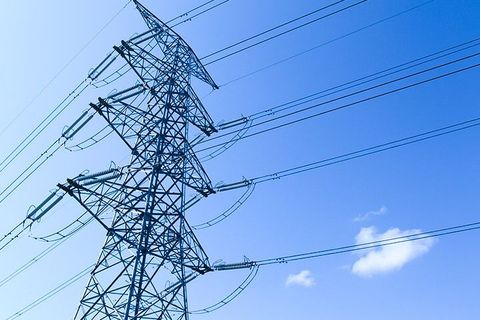
In simple terms, when voltage rises beyond a safe level, the surge arrester provides a controlled path for the extra energy to flow into the ground. This prevents damage to appliances, industrial equipment, and electrical infrastructure. Surge arrester protection methods are widely used in residential, commercial, and industrial environments.
The development of these methods is closely linked to the expansion of electrical grids and the increasing reliance on electronic devices. As modern systems become more sensitive to voltage fluctuations, the need for effective surge protection techniques continues to grow.
Importance
Surge arrester protection methods play an important role in maintaining the reliability and safety of electrical systems. Without proper protection, even a short-duration voltage spike can damage circuits, reduce equipment lifespan, or disrupt operations.
These methods are relevant for a wide range of users, including homeowners, facility managers, and engineers. In residential settings, surge protection helps safeguard appliances such as televisions, refrigerators, and computers. In industrial environments, it protects machinery and control systems that are essential for production processes.
Common challenges addressed by surge arrester protection methods include:
- Equipment damage caused by lightning strikes or switching surges
- Data loss in electronic systems
- Unexpected downtime in industrial operations
- Fire hazards resulting from electrical faults
As digital infrastructure expands, the consequences of electrical disturbances become more significant. This makes surge protection an essential part of modern electrical design.
Recent Updates
Recent developments in surge arrester protection methods reflect advancements in materials, monitoring systems, and integration with smart technologies. Manufacturers are focusing on improving durability and response time to handle increasingly complex electrical environments.
One notable trend is the use of metal oxide varistors (MOVs) with enhanced thermal stability. These components help improve the performance and lifespan of surge arresters. Another development involves the integration of monitoring sensors that track arrester condition in real time. This allows for predictive maintenance and reduces the risk of unexpected failures.
Digitalization has also influenced surge protection techniques. Smart grids and connected systems now require coordinated protection strategies. Surge arresters are being designed to work alongside automation systems, enabling better fault detection and response.
There is also growing attention on renewable energy systems. Solar and wind installations require specialized surge arrester protection methods due to their exposure to environmental conditions and variable power generation patterns.
Laws or Policies
Surge arrester protection methods are influenced by electrical safety standards and regulations established by national and international organizations. These rules ensure that electrical installations meet safety and performance requirements.
In many countries, standards such as IEC (International Electrotechnical Commission) guidelines define how surge arresters should be designed, tested, and installed. These standards cover aspects such as voltage ratings, discharge capacity, and environmental conditions.
In India, electrical installations often follow guidelines from the Bureau of Indian Standards (BIS) and the Central Electricity Authority (CEA). These frameworks provide recommendations for surge protection in residential, commercial, and industrial systems.
Key regulatory aspects include:
- Compliance with voltage and insulation levels
- Proper grounding and earthing systems
- Installation practices for different environments
- Periodic inspection and maintenance requirements
These policies help ensure that surge arrester protection methods are applied consistently and safely across different sectors.
Tools and Resources
Various tools and resources are available to support the implementation of surge arrester protection methods. These tools help users understand system requirements and select appropriate protection techniques.
Common resources include:
- Calculation tools: Electrical load and surge risk calculators help estimate the required protection level
- Standards documentation: IEC and BIS publications provide detailed technical guidelines
- Design templates: схемatic diagrams and layout templates assist in planning installations
- Monitoring systems: Digital platforms track performance and condition of surge protection devices
- Training materials: Educational content explains installation and maintenance practices
These resources support both professionals and general users in understanding how surge protection works and how it can be applied effectively.
Typical Surge Arrester Types and Applications
The following table provides an overview of common surge arrester types and their typical uses:
| Type of Surge Arrester | Typical Application | Key Feature |
|---|---|---|
| Station class arrester | High-voltage substations | Handles large energy surges |
| Intermediate class arrester | Medium-voltage distribution systems | Balanced performance and durability |
| Distribution class arrester | Power distribution networks | Protects transformers and feeders |
| Secondary arrester | Residential and commercial systems | Compact and suitable for low voltage |
| Polymer-housed arrester | Outdoor installations | Lightweight and weather-resistant |
Understanding these categories helps users match the appropriate surge arrester protection methods to specific system requirements.
FAQs
What are surge arrester protection methods used for?
Surge arrester protection methods are used to prevent damage caused by sudden voltage spikes. They redirect excess electrical energy safely to the ground, protecting equipment and maintaining system stability.
How do surge protection techniques work in simple terms?
Surge protection techniques work by detecting high voltage levels and creating a path for the excess energy to flow away from sensitive components. This reduces the risk of damage to electrical devices.
Where are surge arrester protection methods commonly applied?
These methods are commonly applied in homes, commercial buildings, power distribution systems, and industrial facilities. They are also used in renewable energy systems such as solar installations.
Are surge arrester protection methods necessary for small households?
Yes, even small households can benefit from surge protection. Everyday appliances and electronics can be affected by voltage fluctuations, making protection methods useful in residential settings.
What factors influence the choice of surge protection techniques?
Several factors influence the choice, including voltage level, type of electrical system, environmental conditions, and the sensitivity of connected equipment. Proper grounding and installation practices are also important considerations.
Conclusion
Surge arrester protection methods are an essential part of modern electrical systems, helping to manage voltage fluctuations and protect equipment. They address common challenges such as electrical damage, system downtime, and safety risks. Advances in materials and monitoring technologies continue to improve their effectiveness. Understanding these methods allows users to better manage electrical reliability in different environments.