Copper Stem Water Enhancer: Explore Basics, Benefits, and Key Facts
A copper stem water enhancer refers to a copper-based rod or insert placed inside a water container to allow controlled contact between copper and stored drinking water. The concept is rooted in traditional practices where water was stored in copper vessels. Over time, this practice has evolved into compact, reusable copper stems designed to fit modern bottles and containers.
The idea behind a copper water enhancer is that when water remains in contact with copper for a specific duration, trace amounts of copper ions may dissolve into the water. Copper is an essential micronutrient required by the human body in small quantities. Because of this, copper-infused water has attracted attention in discussions around hydration practices and wellness routines.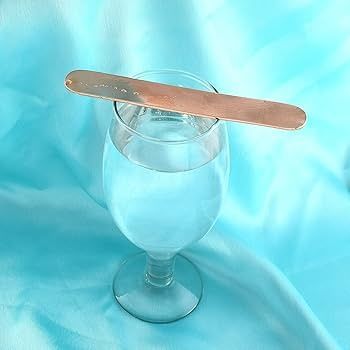
In recent years, interest in natural materials and reusable accessories has contributed to the visibility of copper stem water enhancers. They are often presented as an alternative to fully copper vessels while offering similar exposure through a smaller and more portable format.
Importance
The relevance of a copper stem water enhancer lies in how people approach hydration, material safety, and traditional practices in modern contexts. It affects individuals who are exploring alternative hydration habits, as well as those interested in traditional metal-based storage methods.
Key reasons this topic matters include:
-
Trace mineral exposure: Copper is a required micronutrient, and controlled exposure is part of normal dietary intake.
-
Material awareness: Increasing attention is given to what materials come into contact with drinking water.
-
Reusable hydration accessories: Copper stems are often used in refillable bottles, aligning with sustainable habits.
-
Traditional practices revisited: Many households are rediscovering copper-based water storage practices in updated formats.
-
Discussion of benefits and limitations: Clear information helps prevent misunderstandings or exaggerated claims.
Understanding the basics of copper water enhancement helps readers separate established nutritional facts from unsupported assumptions.
How Copper Interacts With Water
When water is stored in a copper container or comes into contact with a copper stem, a slow and controlled process may release trace copper ions into the water. The amount depends on factors such as:
-
Duration of contact
-
Water temperature
-
Acidity (pH level)
-
Surface area of copper exposed
Copper has natural antimicrobial properties under certain conditions, which has historically contributed to its use in water storage. However, the concentration of copper in drinking water must remain within safe limits. Excess copper intake can cause adverse effects, which is why balanced exposure is important.
Understanding these chemical and material interactions is central to evaluating the real benefits of a copper stem water enhancer.
Recent Updates
Recent developments related to copper water enhancers focus on design improvements and material standards rather than fundamental scientific changes.
Observed trends in recent periods include:
-
Improved manufacturing precision: Better finishing techniques reduce surface impurities.
-
Clearer usage guidance: More emphasis on recommended contact duration.
-
Material testing transparency: Some manufacturers reference laboratory testing for copper purity.
-
Integration with modern bottles: Copper stems are now designed to fit insulated stainless steel containers.
-
Public discussions on safe intake: Increased awareness of recommended daily copper intake levels.
These updates reflect growing consumer interest in understanding both benefits and safety considerations.
Laws or Policies
Copper in drinking water is regulated in many countries to ensure safe exposure levels. Public health guidelines typically define acceptable copper concentrations in potable water.
Regulatory considerations may include:
-
Maximum contaminant level guidelines: Authorities set limits for copper concentration in drinking water.
-
Food-contact material standards: Copper used in drinkware must meet safety specifications.
-
Labeling and consumer protection laws: Claims about health effects must align with evidence-based standards.
-
Water quality monitoring frameworks: Municipal systems monitor copper levels in supply networks.
These policies ensure that copper exposure from water remains within established health thresholds. When using a copper stem water enhancer, understanding these standards provides context for safe use.
Tools and Resources
Several tools and informational resources can help individuals better understand copper exposure and water quality.
Useful references include:
-
Daily nutrient intake charts: Reference materials outlining recommended copper intake levels.
-
Water quality testing kits: Tools for measuring copper concentration in stored water.
-
Material safety documentation: Specifications describing copper purity and composition.
-
Public health agency guidelines: Official information on drinking water safety.
-
Hydration tracking applications: Tools that help monitor daily water intake patterns.
These resources support informed decisions about hydration habits and copper use.
Benefits and Considerations
While copper stem water enhancers are associated with certain traditional beliefs, it is important to consider both potential advantages and limitations.
| Aspect | Description |
|---|---|
| Trace copper exposure | May contribute small amounts of essential copper |
| Antimicrobial potential | Copper surfaces have documented antimicrobial properties |
| Reusability | Durable and long-lasting when maintained properly |
| Safe intake limits | Excess copper exposure can be harmful |
| Maintenance needs | Regular cleaning prevents oxidation buildup |
Balanced understanding ensures that benefits are viewed in the context of scientific and regulatory guidance.
FAQs
What is a copper stem water enhancer?
It is a copper rod or insert placed inside a water container to allow controlled contact between copper and stored water.
How long should water remain in contact with copper?
Contact duration recommendations vary, but moderate storage periods are commonly suggested to avoid excessive copper release.
Is copper-infused water safe?
Copper is an essential nutrient in small amounts. Safety depends on staying within recommended intake limits.
Can a copper stem replace a water purification system?
No. Copper contact does not substitute for proper filtration or purification processes.
Does copper water taste different?
Some individuals notice a slight metallic taste depending on contact duration and water composition.
Conclusion
A copper stem water enhancer represents a modern adaptation of traditional copper water storage practices. By allowing controlled contact between copper and drinking water, it may contribute trace mineral exposure while supporting reusable hydration habits. However, safe use depends on understanding recommended intake levels and maintaining balanced expectations.
Clear information about copper interaction, regulatory standards, and practical considerations helps individuals make informed decisions. As interest in natural materials and traditional practices continues, thoughtful evaluation remains essential.

You may also like...
Batch Mixing Machine Explained: Overview, Working, and Practical Insights
Last Update: April 11, 2026
Read
Conveyor Belt Systems Guide: Basics, Types, and Industrial Applications
Last Update: April 11, 2026
Read
Pressure Sensors vs Pressure Transmitters: Learn Basics and Real Use Cases
Last Update: April 11, 2026
Read