Pressure Sensors vs Pressure Transmitters: Learn Basics and Real Use Cases
Pressure measurement is a core requirement in many industrial and infrastructure systems. From monitoring fluid flow in pipelines to ensuring safe operation of compressors, boilers, and hydraulic circuits, reliable pressure data supports both performance and safety.
Two commonly referenced devices in this space are pressure sensors and pressure transmitters. Although the terms are sometimes used interchangeably, they represent different stages of the pressure measurement chain. Understanding pressure sensors vs pressure transmitters begins with knowing how pressure is detected, processed, and communicated.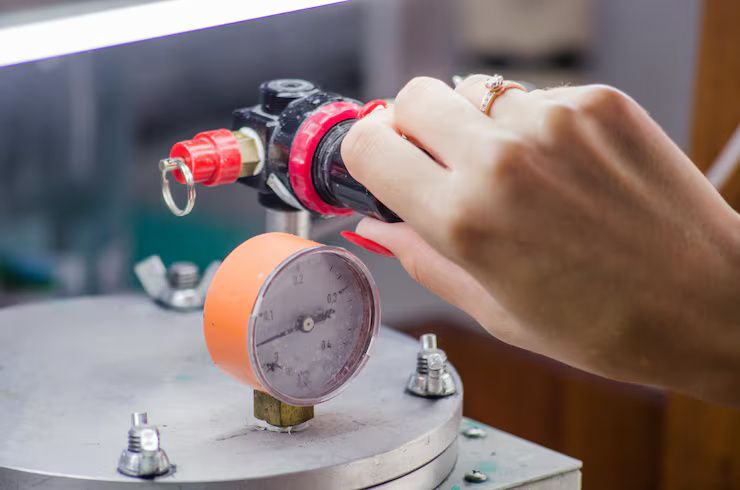
A pressure sensor converts physical pressure into an electrical signal. A pressure transmitter builds on this by conditioning that signal and delivering it in a standardized format suitable for industrial control environments. As facilities adopt connected monitoring and automation, the distinction becomes increasingly important for integration with control systems and long-distance signal transmission.
Importance
Knowing the difference between pressure sensors and pressure transmitters matters for engineers, maintenance teams, system integrators, and safety managers. The device selected affects data reliability, system compatibility, and operational continuity.
Key reasons this topic matters today include:
-
System integration: Industrial pressure transmitters provide standardized outputs that interface directly with PLC and SCADA platforms.
-
Signal stability: Transmitters maintain accuracy over long cable runs and electrically noisy environments.
-
Application fit: Pressure sensors are commonly used in compact or embedded systems where local measurement is sufficient.
-
Process safety: Accurate pressure monitoring reduces risk in high-pressure operations.
-
Automation readiness: Modern control strategies depend on dependable pressure feedback for closed-loop control.
Across manufacturing, utilities, water treatment, energy, and HVAC environments, understanding the pressure sensor vs pressure transmitter difference supports better design decisions and smoother operations.
Core Comparison
While both devices measure pressure, they differ in how the signal is handled and delivered.
| Aspect | Pressure Sensor | Pressure Transmitter |
|---|---|---|
| Primary role | Detects pressure | Detects and outputs conditioned signal |
| Typical output | Raw or low-level electrical signal | Standardized 4–20 mA or digital |
| Signal conditioning | External (often required) | Built-in |
| Integration level | Basic or embedded systems | Industrial automation systems |
| Common environments | Local devices, compact equipment | Process plants, distributed systems |
In simple terms, a pressure sensor tells you what the pressure is, while a pressure transmitter tells your control system what the pressure is in a format it can immediately use. This is why industrial pressure measurement devices frequently rely on transmitters for plant-wide monitoring.
Recent Updates
Recent developments in pressure sensing focus on accuracy, connectivity, and resilience rather than fundamental mechanical changes.
Current trends observed in industrial pressure measurement include:
-
Smarter diagnostics: Smart pressure transmitters now provide device health information alongside pressure values.
-
Improved stability: Enhanced calibration methods reduce long-term drift.
-
Compact form factors: Pressure sensors are increasingly embedded into portable and space-constrained equipment.
-
Ruggedized designs: Devices are built to withstand vibration, temperature extremes, and corrosive environments.
-
Remote monitoring options: Some industrial pressure transmitters support wireless or network-based data access for distributed assets.
These developments support predictive maintenance and more connected production environments.
Laws or Policies
Pressure monitoring equipment operates within safety and compliance frameworks designed to protect personnel and infrastructure. Although requirements vary by region and industry, common regulatory themes apply.
Typical considerations include:
-
Industrial safety standards: Guidelines for pressure vessels, piping systems, and machine guarding.
-
Equipment certification: Verification of accuracy, electrical safety, and environmental protection ratings.
-
Process safety management: Continuous pressure monitoring in critical operations such as chemical processing and energy systems.
-
Environmental compliance: Pressure data used to verify controlled operation in water and emissions-related applications.
Adhering to these frameworks ensures that industrial pressure transmitters and sensors operate within approved limits.
Tools and Resources
Several practical tools help professionals work with pressure sensors and transmitters more effectively:
-
Pressure unit conversion calculators (psi, bar, kPa, Pa)
-
Calibration reference guides outlining verification intervals and methods
-
Technical datasheets describing accuracy, temperature range, and output formats
-
Signal compatibility charts for PLC and SCADA integration
-
Industry standards documentation covering performance and safety benchmarks
These resources support proper selection, configuration, and ongoing reliability of industrial pressure measurement devices.
Real Use Cases
Understanding real-world applications highlights why both technologies remain essential.
-
Manufacturing lines: Industrial pressure transmitters monitor hydraulic circuits and compressed air systems.
-
Water facilities: Continuous pressure tracking helps maintain stable flow and detect anomalies.
-
Energy infrastructure: Transmitters provide reliable data across long pipeline runs.
-
HVAC systems: Pressure sensors help regulate airflow and refrigerant performance.
-
Laboratory and test equipment: Compact sensors support localized, high-resolution measurements.
Each scenario demonstrates how the pressure sensor vs pressure transmitter difference influences system architecture and data reliability.
How Pressure Signals Move Through a System
Pressure measurement typically follows a clear path:
-
Pressure is applied to the sensing element.
-
The pressure sensor converts this force into an electrical signal.
-
A pressure transmitter (if used) conditions and standardizes the signal.
-
The control system receives the data for monitoring or automation.
This signal pathway explains why transmitters are preferred when measurements must travel long distances or integrate with centralized control platforms.
FAQs
What is the main difference between pressure sensors and pressure transmitters?
A pressure sensor produces a raw signal from applied pressure, while a pressure transmitter outputs a conditioned, standardized signal ready for industrial control systems.
Can a pressure sensor be used without a transmitter?
Yes, in short-distance or embedded applications. For plant-wide automation, transmitters are typically required.
Why are 4–20 mA outputs common in industrial pressure transmitters?
They provide stable communication over long cable runs and are resistant to electrical interference.
Are smart pressure transmitters replacing traditional models?
Smart pressure transmitters add diagnostics and digital communication, but both types remain in use depending on application needs.
Where are industrial pressure transmitters most commonly applied?
They are widely used in process industries, utilities, and infrastructure systems that require continuous, reliable monitoring.
Conclusion
Understanding pressure sensors vs pressure transmitters is fundamental to effective industrial pressure measurement. Sensors capture pressure at the source, while transmitters prepare that information for reliable system-wide use. Selecting the right device supports accuracy, safety, and integration across diverse applications.
As facilities become more automated and data-driven, the role of industrial pressure transmitters, smart pressure transmitters, and related technologies continues to grow. Clear knowledge of how these devices differ helps teams design resilient systems and maintain dependable operations.

You may also like...

Luxury Hotels Booking Guide: Discover Room Types, Amenities, and Facts
Last Update: April 11, 2026
Read
Explore Real Estate in Dubai: Property Types, Basics, and Helpful Insights
Last Update: April 11, 2026
Read
Pressure Sensors vs Pressure Transmitters: Learn Basics and Real Use Cases
Last Update: April 11, 2026
Read