Pool Heater Installation Guide: Types, Brands, Steps and Services
Installing a pool heater can extend the swimming season, improve water comfort, and make a swimming pool more enjoyable throughout the year.
Understanding the available heater types, popular brands, installation requirements, and professional installation considerations can help pool owners choose a suitable heating system for their pool.
Key Takeaways
Compare heater types based on climate, pool size, and energy source.
Check equipment compatibility and installation requirements before choosing.
Use qualified professionals for electrical, gas, and plumbing connections.
What Is Pool Heater Installation?
Pool heater installation is the process of connecting and configuring a heating system to warm swimming pool water. The system circulates water from the pool through a heating unit and returns the warmed water to the pool.
A typical installation involves selecting the appropriate heater, preparing a suitable equipment location, connecting plumbing, arranging the required energy supply, and testing the system.
The installation method depends on the heater type, pool capacity, existing circulation equipment, and local building and safety requirements.
Types of Pool Heaters
Pool heaters use different technologies and energy sources. Each type has particular advantages, operating requirements, and installation considerations.
1. Gas Pool Heaters
Gas pool heaters use natural gas or propane to heat water as it passes through a heat exchanger. They can raise water temperature relatively quickly and are often considered when rapid heating is important.
Main features:
Relatively fast water heating.
Suitable for many residential and commercial pools.
Can operate independently of outdoor air temperature within equipment specifications.
Requires an appropriate gas supply and exhaust arrangement.
Installation considerations: Gas piping, ventilation, combustion air, exhaust clearance, and equipment placement must meet manufacturer instructions and applicable codes. A qualified gas professional should handle gas connections.
2. Electric Heat Pump Pool Heaters
Electric heat pumps extract heat from outdoor air and transfer it to pool water. They use electricity to operate a compressor and fan rather than generating heat directly through electric resistance.
Main features:
Efficient operation in suitable outdoor temperatures.
Suitable for maintaining relatively consistent pool temperatures.
Often appropriate for regular seasonal heating.
Heating performance depends on air temperature and humidity.
Installation considerations: A heat pump needs adequate airflow, a stable outdoor location, suitable electrical capacity, and correct water-flow connections. Colder weather can reduce heating performance.
3. Solar Pool Heaters
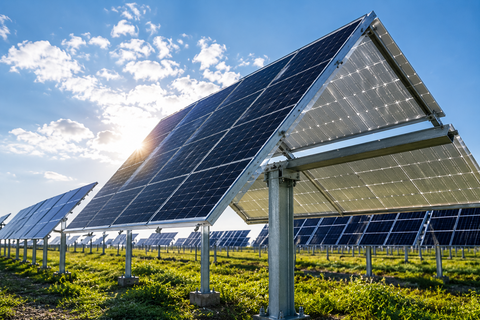
Solar pool heating systems use solar collectors to capture energy from sunlight and transfer heat to circulating pool water.
Main features:
Uses solar energy as its primary heat source.
Can reduce conventional energy consumption.
Works particularly well in sunny climates.
Heating output varies with sunlight and weather conditions.
Installation considerations: Collector placement, roof condition, available sunlight, pipe routing, and circulation requirements should be evaluated before installation.
4. Electric Resistance Pool Heaters
Electric resistance heaters warm water by passing it through an electrically heated element. They are generally compact and can be useful for smaller pools or specific applications.
Main features:
Direct electric heating.
Compact equipment configurations.
Straightforward heating principle.
Electricity consumption can be substantial for large pools.
Installation considerations: Electrical supply capacity, circuit protection, grounding, water flow, and equipment specifications must be checked carefully. Electrical work should be completed by a qualified electrician.
Pool Heater Types Compared
Heater Type | Energy Source | Main Advantage | Important Consideration |
|---|---|---|---|
Gas heater | Natural gas or propane | Rapid heating | Gas supply and ventilation |
Heat pump | Electricity and outdoor heat | Efficient operation in suitable climates | Outdoor temperature and airflow |
Solar heater | Solar energy | Uses renewable energy | Sunlight and collector space |
Electric resistance heater | Electricity | Compact heating arrangement | Electrical capacity and energy use |
The right system depends on the pool's size, desired heating speed, local climate, energy availability, and expected usage.
Popular Pool Heater Brands
Several established manufacturers produce pool heating equipment for residential and commercial applications. Brand availability, product ranges, and model specifications vary by country, so compare models available in your region rather than choosing a brand name alone.
1. Hayward
Hayward produces pool equipment, including gas heaters and heat pumps.
What to compare:
Available heater types and heating capacities.
Compatibility with existing pool equipment.
Control and automation features.
Local technical support and replacement-part availability.
2. Pentair
Pentair manufactures pool heating equipment, including gas heater models.
Its product range includes the MasterTemp and other heating systems designed for different pool applications.
What to compare:
Heating capacity.
Fuel compatibility.
Heat exchanger material.
Control options and equipment integration.
3. Raypak
Raypak is known for gas-fired pool heaters and larger heating equipment.
What to compare:
Residential or commercial application.
Required heating output.
Fuel availability.
Venting and installation requirements.
4. Jandy
Jandy offers pool heating equipment and products that can integrate with compatible pool automation systems.
What to compare:
Available heater models.
Compatibility with pool controls.
Heating capacity.
Installation and maintenance requirements.
5. AquaCal
AquaCal specializes in pool and spa heat pump equipment.
What to compare:
Heat pump capacity.
Performance under local outdoor temperatures.
Electrical requirements.
Airflow and equipment clearances.
Hayward, Pentair, Raypak, Jandy, and AquaCal are examples of brands found in the pool heating market. Their product ranges are not identical, so compare the specifications of individual models before making a decision.
Pool heater installation involves plumbing, electrical or fuel connections, equipment positioning, and system testing. The exact procedure depends on the heater technology and manufacturer requirements.
The following steps explain the general installation process. Gas connections, electrical wiring, and regulated plumbing work should be handled by appropriately qualified professionals.
Step 1: Evaluate the Swimming Pool
Begin by assessing the pool and its existing circulation system.
Important details include:
Pool dimensions and water volume.
Indoor or outdoor pool configuration.
Desired water temperature.
Existing pump and filtration equipment.
Available electrical or gas supply.
Local climate and expected heating season.
This assessment helps determine the appropriate heater type and capacity.
Step 2: Select the Heater Capacity
Heater capacity is commonly expressed in British thermal units per hour (BTU/h) for gas equipment and kilowatts (kW) for electric equipment.
The required capacity depends on pool surface area, water volume, temperature increase, climate, wind exposure, and desired heating time.
A qualified installer or pool heating specialist should calculate the appropriate capacity rather than relying on pool volume alone.
Step 3: Choose an Appropriate Installation Location
The heater should be positioned according to its manufacturer's clearance and ventilation requirements.
The location should provide:
Adequate airflow for heat pumps.
Appropriate exhaust clearance for gas heaters.
Access for inspection and maintenance.
A stable, level mounting surface.
Protection from flooding and excessive water exposure.
Suitable access to plumbing and energy connections.
Step 4: Prepare the Plumbing Connections
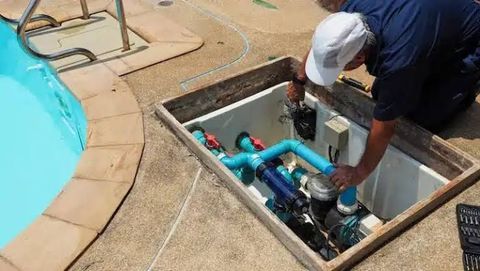
The heater is normally integrated into the pool's circulation system so that filtered water passes through the heating equipment before returning to the pool.
The installer checks pipe sizing, water flow, valves, connection materials, and compatibility with the existing filtration system.
Incorrect plumbing arrangements can cause inadequate water flow or equipment damage.
Step 5: Arrange the Energy Supply
The energy connection depends on the selected heater.
Gas heater: Requires a correctly sized gas supply, suitable ventilation, and compliant exhaust arrangements.
Heat pump: Requires an appropriate electrical circuit and adequate outdoor airflow.
Electric resistance heater: Requires electrical capacity suitable for the equipment's rated load.
Solar heater: Requires properly positioned collectors and compatible circulation arrangements.
Electrical and gas connections should never be improvised. They must follow equipment instructions and applicable local regulations.
Step 6: Install Controls and Temperature Sensors
The installer configures the thermostat, temperature sensors, control panel, and any compatible automation equipment.
These components allow the system to monitor water temperature and regulate heating operation.
Step 7: Inspect and Test the System
Before normal operation, the installation should be checked for:
Water leaks.
Correct water flow.
Proper electrical protection.
Gas leakage and combustion safety, where applicable.
Correct ventilation and exhaust arrangements.
Temperature control operation.
Manufacturer-required safety functions.
The heater should only be operated after the installation has passed the necessary checks.
Step 8: Review Operation and Maintenance
The installer should explain the operating controls, recommended temperature settings, routine inspection requirements, and any manufacturer-specific maintenance procedures.
A suitable pool cover can also help reduce heat loss, particularly when the pool is not being used.
Pool Heater Installation Requirements
Before installation begins, several technical requirements should be evaluated.
Requirement | Why It Matters |
|---|---|
Pool volume and surface area | Helps determine heating capacity |
Water circulation | Ensures suitable water flow through the heater |
Electrical supply | Supports safe operation of electrically powered equipment |
Gas supply | Provides adequate fuel for gas heaters |
Ventilation | Supports safe operation of combustion equipment |
Equipment clearance | Allows airflow, exhaust, and maintenance access |
Pipe compatibility | Helps prevent leaks and flow restrictions |
Control compatibility | Supports accurate temperature regulation |
Local permits and codes | Ensures compliance with applicable regulations |
Applicable standards and approval requirements differ between jurisdictions. For example, US guidance references different testing standards for gas, electric resistance, heat pump, and solar pool heaters. Local regulations should always take precedence for the actual installation location.
Professional pool heater installation services can cover several stages, from equipment assessment to commissioning and ongoing maintenance.
1. Pool Heating Assessment
A specialist evaluates the pool's dimensions, circulation system, climate conditions, and heating expectations.
This assessment helps determine which type and capacity of heater may be appropriate.
2. Equipment Selection
The installer compares suitable heater models based on energy availability, performance requirements, pool configuration, and manufacturer specifications.
3. Plumbing Installation
This work includes connecting the heater to the pool circulation system, checking pipe compatibility, and arranging the necessary valves and fittings.
4. Electrical Installation
Electrical installation may include circuit preparation, protective devices, grounding, and connections required by the selected equipment.
This work should be completed by a qualified electrician.
5. Gas Line Installation
For gas-fired heaters, qualified professionals assess the fuel supply, pipe sizing, regulators, ventilation, and exhaust arrangements.
6. System Commissioning
Commissioning involves checking the installation, testing operating functions, confirming water flow, and verifying that the heater works according to its specifications.
7. Maintenance and Inspection
Maintenance may include cleaning, equipment inspection, checking electrical connections, reviewing water flow, and examining components for deterioration.
The exact scope depends on the heater model and the agreement with the installation provider.
How to Choose a Pool Heater Installation Provider
Choosing a qualified installation provider is important because pool heaters combine water circulation with electrical, gas, or solar systems.
Consider the following factors before selecting a provider.
Technical Experience
Look for experience with the specific heater type you plan to install. A provider familiar with heat pumps may not necessarily specialize in gas-fired systems.
Relevant Qualifications
Check whether the installer holds the qualifications, licenses, or registrations required for plumbing, electrical, and gas work in your area.
Manufacturer Knowledge
An experienced installer should understand the equipment manufacturer's installation instructions, operating limits, and maintenance recommendations.
Installation Scope
Confirm which tasks are included, such as plumbing connections, electrical preparation, gas work, equipment setup, testing, and cleanup.
Warranty Information
Understand the equipment warranty and any separate installation workmanship warranty. Confirm who handles warranty-related inspections and repairs.
Maintenance Availability
Ask whether the provider can inspect the equipment and assist with routine maintenance after installation.
Factors That Affect Pool Heater Installation Expenses
The overall installation expense varies according to the heater type, pool configuration, local labor rates, and the amount of additional work required.
Common factors include:
Equipment capacity: Larger pools may require higher-capacity heating equipment.
Heater technology: Gas heaters, heat pumps, electric resistance heaters, and solar systems have different equipment requirements.
Energy connections: New electrical circuits or gas supply modifications may add work.
Plumbing changes: Existing pipework may require modification.
Installation location: Difficult access or long pipe runs can increase installation complexity.
Permits and inspections: Local approval requirements may involve additional administrative or inspection expenses.
Additional equipment: Pool covers, valves, controls, and automation components may affect the total project.
Request an itemized quotation that separates equipment, installation labor, additional connections, permits, testing, and ongoing maintenance.
Pool Heater Maintenance Tips
Regular maintenance helps preserve heating performance and identify potential problems before they cause equipment failure.
1. Keep the Heater Area Clean
Remove leaves, dust, vegetation, and other debris around the equipment. Heat pumps require unobstructed airflow to operate effectively.
2. Inspect Plumbing Connections
Check visible pipes, valves, and connections for leaks or signs of deterioration.
3. Monitor Water Chemistry
Maintain appropriate pool water chemistry according to the heater manufacturer's recommendations. Incorrect chemical balance can contribute to corrosion or scaling.
4. Check Water Flow
Maintain the required circulation rate and keep the filtration system in good condition. Inadequate water flow can affect heater operation.
5. Inspect Electrical and Gas Components
Have qualified professionals inspect electrical connections, protective devices, gas components, and combustion systems at the recommended intervals.
6. Schedule Professional Inspections
Periodic inspections can help identify damaged components, airflow restrictions, leaks, and other operating problems.
For heat pumps, keep air intake and discharge areas clear and ensure condensate can drain properly. Equipment that has been submerged should not be restarted until it has been inspected by a qualified professional.
Understanding common installation problems can help pool owners recognize when professional inspection may be necessary.
Problem | Possible Cause | Recommended Action |
|---|---|---|
Heater does not start | Power supply or control issue | Check the display and arrange professional inspection |
Water does not reach the desired temperature | Incorrect capacity or excessive heat loss | Review heater sizing and pool insulation |
Low water flow | Blocked filter or plumbing restriction | Inspect the circulation system |
Heater switches off repeatedly | Flow, temperature, or safety-control issue | Check operating conditions |
Heat pump produces limited heat | Low outdoor temperature or restricted airflow | Review operating conditions and clear obstructions |
Gas heater fails to ignite | Fuel supply or ignition problem | Arrange inspection by a qualified technician |
Water leakage | Damaged connection or component | Stop operation if necessary and inspect the system |
Unusual noise | Loose or damaged components | Arrange professional examination |
Never bypass safety switches or attempt to repair gas or high-voltage electrical components without the required qualifications.
Frequently Asked Questions About Pool Heater Installation
1. What is the best type of pool heater?
The best type depends on pool size, climate, energy availability, heating speed, and operating preferences. Gas heaters provide relatively fast heating, heat pumps are suitable for maintaining temperature in favorable climates, and solar systems use sunlight to heat pool water.
2. How long does pool heater installation take?
Installation time depends on the equipment type and existing infrastructure. A straightforward replacement may take less time than a new installation requiring electrical upgrades, gas piping, or plumbing modifications.
3. Which pool heater brands are popular?
Hayward, Pentair, Raypak, Jandy, and AquaCal are established names in the pool heating market. Their product ranges and availability vary by region.
4. How do I choose the correct pool heater size?
Heater sizing depends on pool surface area, water volume, desired temperature increase, local climate, wind exposure, and expected heating time. A qualified professional should calculate the required capacity.
5. Can a pool heater work with an existing pool pump?
Many pool heaters can integrate with existing circulation systems if the pump, filtration equipment, plumbing, and water flow meet the heater manufacturer's requirements.
6. Is a pool heat pump suitable for cold weather?
Heat pumps can operate in cooler conditions, but their heating capacity and efficiency generally decrease as outdoor temperatures fall. Check the manufacturer's operating-temperature specifications before selecting a model.
7. Does a pool heater require regular maintenance?
Yes. Routine maintenance includes checking water flow, inspecting connections, keeping the equipment area clean, monitoring water chemistry, and arranging periodic professional inspections.
8. Can solar pool heaters work without direct sunlight?
Solar pool heaters depend on available solar energy. They may provide limited heating during cloudy weather or at night, so another heating system may be needed when consistent temperatures are required.
9. Should a professional install a pool heater?
Professional installation is recommended because the work may involve electrical connections, gas piping, plumbing, ventilation, and equipment safety checks. Certain tasks legally require licensed or qualified professionals.
10. Does a pool cover help reduce heating requirements?
Yes. A suitable pool cover can reduce heat loss, particularly through evaporation. This can help maintain water temperature and reduce the amount of heating energy required.
Conclusion
Pool heater installation can make swimming pools more comfortable and extend their usability across different seasons. Gas heaters, heat pumps, solar systems, and electric resistance heaters each provide different heating capabilities and installation requirements. By comparing established brands, calculating the correct equipment capacity, evaluating installation conditions, and choosing qualified professionals, pool owners can select a heating system suited to their needs. Regular maintenance and appropriate pool covering can further support reliable operation and reduce unnecessary heat loss.

Related Post...


Sleep Tracking Devices: How to Understand Your Sleep Patterns and Get Better Insights
Updated: November 24, 2026
Read More