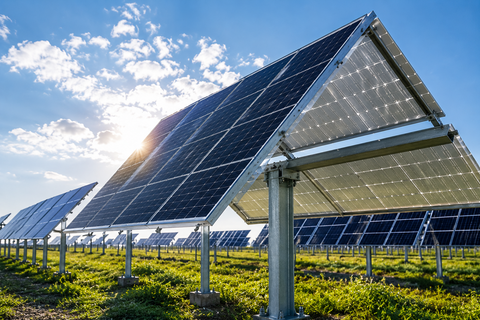
Agricultural Sprinkler Systems: Irrigation Tech Guide
Agricultural sprinkler systems play a vital role in modern farming by distributing water across fields in a controlled and efficient manner.
These irrigation systems help crops receive the moisture needed for healthy growth while supporting better water management practices.
As agriculture continues to adopt advanced technologies, sprinkler irrigation has become a widely used solution for farms of various sizes. From small vegetable fields to large commercial crop operations, sprinkler systems help improve water distribution, support crop productivity, and reduce dependence on unpredictable rainfall.
Understanding how agricultural sprinkler systems work, their different types, and their practical applications can help farmers, agricultural professionals, and students gain valuable insights into modern irrigation technology.
Quick Facts About Agricultural Sprinkler Systems
| Feature | Details |
|---|---|
| Primary Function | Controlled water distribution |
| Application Area | Farms, orchards, landscapes |
| Water Delivery Method | Pressurized sprinkler heads |
| Automation Support | Available |
| Coverage Range | Small to large agricultural fields |
| Water Source | Wells, reservoirs, canals, tanks |
| Common Crops | Vegetables, grains, fruits, forage |
| Technology Integration | Sensors, controllers, monitoring systems |
What Are Agricultural Sprinkler Systems?
Agricultural sprinkler systems are irrigation systems that distribute water through a network of pipes and sprinkler heads. Water is sprayed into the air and falls onto crops in a pattern similar to natural rainfall.
Unlike traditional flood irrigation methods, sprinkler systems allow water to be applied more evenly across the field. This can help improve moisture distribution and support better crop management practices.
These systems are commonly used in crop production, orchards, nurseries, and pasture management.
Understanding Agricultural Irrigation Technology
Modern irrigation technology focuses on delivering the right amount of water at the right time. Agricultural sprinkler systems are designed to improve water application efficiency while supporting crop growth.
Several factors influence irrigation performance:
- Crop type
- Soil characteristics
- Climate conditions
- Field size
- Water availability
- System design
By combining irrigation equipment with monitoring technologies, farmers can make more informed water management decisions.
Key Statistics and Industry Facts
| Irrigation Fact | Industry Insight |
|---|---|
| Agriculture uses a significant share of global freshwater resources | Efficient irrigation technologies help improve water management |
| Sprinkler systems simulate rainfall | Supports uniform water application |
| Automated irrigation systems continue to expand worldwide | Precision agriculture adoption is increasing |
| Modern systems often integrate sensors | Supports data-driven irrigation decisions |
| Water management remains a major agricultural priority | Technology helps improve resource utilization |
How Agricultural Sprinkler Systems Work
Agricultural sprinkler systems operate through a series of connected components.
Step 1: Water Collection
Water is obtained from a suitable source such as a reservoir, well, pond, or canal.
Step 2: Pumping
A pump creates the pressure required to move water through the system.
Step 3: Water Distribution
Pressurized water travels through pipelines toward the irrigation area.
Step 4: Sprinkler Operation
Sprinkler heads distribute water over crops.
Step 5: Soil Absorption
Water infiltrates the soil and becomes available to plant roots.
Step 6: Monitoring and Adjustment
Farmers monitor conditions and adjust irrigation schedules as needed.
Agricultural Sprinkler System Architecture
Water Source
The water source supplies irrigation water to the system.
Pumping Unit
The pump generates pressure and maintains water flow.
Mainline Pipeline
Main pipelines transport water across the farm.
Distribution Pipes
Secondary pipes distribute water throughout the field.
Sprinkler Heads
Sprinklers apply water to crops.
Control Valves
Valves regulate water flow to different sections.
Monitoring Systems
Modern systems may include sensors and automated controls.
Main Components
| Component | Function |
|---|---|
| Water Source | Supplies irrigation water |
| Pump | Creates system pressure |
| Main Pipeline | Transports water |
| Distribution Pipe | Delivers water to sprinklers |
| Sprinkler Head | Applies water |
| Valve | Controls flow |
| Filter | Removes debris |
| Controller | Manages irrigation schedules |
Types of Agricultural Sprinkler Systems
Portable Sprinkler Systems
Portable systems can be moved between different locations.
Permanent Sprinkler Systems
Installed for long-term irrigation operations.
Center Pivot Irrigation Systems
Large rotating systems designed for extensive crop fields.
Lateral Move Systems
Move across fields while applying water evenly.
Solid Set Sprinkler Systems
Fixed sprinklers covering designated areas.
Traveling Gun Systems
High-capacity sprinklers designed for larger agricultural fields.
Irrigation System Comparison
| System Type | Mobility | Coverage Area | Typical Application |
|---|---|---|---|
| Portable | High | Small to Medium | Diverse crops |
| Permanent | Fixed | Medium | Long-term irrigation |
| Center Pivot | Rotational | Large | Field crops |
| Lateral Move | Mobile | Large | Commercial farming |
| Solid Set | Fixed | Medium | Orchards and specialty crops |
| Traveling Gun | Mobile | Large | Broad-acre irrigation |
Technical Specifications Explained
Water Pressure
Pressure determines sprinkler performance and coverage.
| Pressure Range | Typical Application |
|---|---|
| Low Pressure | Water-efficient irrigation |
| Medium Pressure | General agricultural irrigation |
| High Pressure | Long-range sprinkler applications |
Flow Rate
Flow rate measures the amount of water delivered through the system.
Coverage Radius
Coverage radius determines the area reached by each sprinkler.
Application Rate
Application rate influences how quickly water is applied to the soil.
Distribution Uniformity
Uniformity indicates how evenly water is distributed.
Benefits and Advantages
Improved Water Distribution
Water is distributed across crops more uniformly.
Flexible Installation
Systems can be adapted to different field layouts.
Supports Crop Development
Consistent moisture supports healthy plant growth.
Automation Compatibility
Modern systems can integrate with monitoring technologies.
Reduced Labor Requirements
Automated irrigation can simplify routine operations.
Suitable for Various Crops
Many crop types can benefit from sprinkler irrigation.
Water Usage Comparison
| Irrigation Method | Water Distribution | Management Flexibility |
|---|---|---|
| Flood Irrigation | Variable | Lower |
| Furrow Irrigation | Moderate | Moderate |
| Sprinkler Irrigation | Uniform | High |
| Precision Irrigation | Highly Controlled | Very High |
Crop Compatibility Matrix
| Crop Category | Sprinkler Compatibility |
|---|---|
| Vegetables | Excellent |
| Grains | Excellent |
| Forage Crops | Excellent |
| Fruit Crops | Good |
| Orchards | Good |
| Pasture Fields | Excellent |
| Nursery Plants | Excellent |
Industry Applications
Grain Production
Used for crops such as wheat, corn, and barley.
Vegetable Farming
Supports irrigation of various vegetable crops.
Fruit Production
Provides irrigation for orchards and fruit-growing operations.
Livestock Feed Production
Supports forage and pasture irrigation.
Nurseries
Maintains consistent moisture for plant growth.
Research Facilities
Used for agricultural testing and development.
Environmental Considerations
Agricultural irrigation directly influences water resource management.
Water Conservation
Efficient irrigation technologies help improve water utilization.
Soil Protection
Proper irrigation management can help reduce erosion risks.
Resource Management
Monitoring systems support informed decision-making.
Sustainable Agriculture
Modern irrigation technologies contribute to long-term agricultural sustainability goals.
Industry Standards and Safety
Agricultural irrigation systems are designed according to engineering principles and operational requirements.
Water Quality Management
Filtration systems help maintain performance.
Pressure Regulation
Proper pressure management supports system reliability.
Equipment Inspection
Regular inspections help identify maintenance needs.
Electrical Safety
Pump systems require proper electrical protection measures.
Operational Safety
Operators should follow recommended safety procedures during maintenance and inspections.
Common Challenges and Solutions
| Challenge | Practical Solution |
|---|---|
| Uneven Water Distribution | Adjust sprinkler placement |
| Pressure Variations | Monitor system pressure |
| Pipe Leaks | Conduct inspections |
| Clogged Sprinklers | Clean filters regularly |
| Water Loss | Optimize scheduling |
| Equipment Wear | Follow maintenance plans |
Maintenance Schedule
| Maintenance Task | Frequency |
|---|---|
| Inspect Sprinkler Heads | Weekly |
| Check Filters | Weekly |
| Monitor Pressure Levels | Weekly |
| Inspect Valves | Monthly |
| Review Pump Performance | Monthly |
| Check Pipe Connections | Monthly |
| System Calibration | Seasonally |
| Full System Inspection | Annually |
Best Practices for Agricultural Sprinkler Systems
Monitor Soil Moisture
Regular monitoring helps optimize irrigation timing.
Maintain Equipment
Routine maintenance supports reliable operation.
Inspect Sprinklers Frequently
Early detection of issues can prevent water loss.
Use Proper Scheduling
Water application should align with crop needs.
Monitor Weather Conditions
Weather data can support irrigation planning.
Evaluate System Performance
Periodic assessments help maintain efficiency.
Expert Insights
Agricultural irrigation specialists often emphasize that successful sprinkler irrigation depends on proper system design, pressure management, and regular maintenance. Modern farms increasingly combine sprinkler systems with soil moisture monitoring, weather data, and automated controls to improve irrigation efficiency.
As precision agriculture technologies continue to expand, sprinkler systems are becoming more integrated with digital farming platforms that support informed decision-making and resource management.
Agricultural Irrigation Facts
- Sprinkler systems simulate natural rainfall.
- Irrigation technology supports crop production in diverse climates.
- Automated irrigation systems are increasingly common in modern agriculture.
- Pressure management significantly affects irrigation performance.
- Monitoring technologies help improve water application decisions.
Future Trends and Industry Insights
Smart Irrigation Systems
Connected technologies are becoming more common.
Precision Agriculture Integration
Irrigation systems increasingly use field data for decision-making.
Sensor-Based Irrigation
Sensors provide real-time information about field conditions.
Automated Water Management
Automation helps optimize irrigation schedules.
Artificial Intelligence Applications
Advanced analytics may support future irrigation planning.
Remote Monitoring
Digital platforms enable monitoring from various locations.
Frequently Asked Questions
What is an agricultural sprinkler system?
An irrigation system that distributes water through sprinkler heads to simulate rainfall.
How does a sprinkler irrigation system work?
Water is pumped through pipes and distributed across crops through sprinklers.
What crops can use sprinkler irrigation?
Vegetables, grains, forage crops, fruit crops, and nursery plants.
What are the main components of a sprinkler system?
Water source, pump, pipelines, valves, filters, and sprinkler heads.
What is center pivot irrigation?
A rotating sprinkler system designed for large agricultural fields.
Why is water pressure important?
Pressure influences sprinkler performance and coverage.
What is distribution uniformity?
It measures how evenly water is applied across a field.
Can sprinkler systems be automated?
Yes, many modern systems support automation and monitoring technologies.
How often should maintenance be performed?
Regular inspections and scheduled maintenance help maintain performance.
What role do filters play?
Filters remove debris and help protect irrigation equipment.
How do sensors support irrigation?
Sensors provide information about soil and environmental conditions.
What is precision irrigation?
A technology-driven approach to applying water more accurately.
Can sprinkler systems support sustainable agriculture?
They can contribute to improved water management practices.
What future technologies are influencing irrigation?
Automation, sensors, AI, and remote monitoring technologies.
Why is irrigation technology important?
It helps manage water resources while supporting agricultural productivity.
Conclusion
Agricultural sprinkler systems are a key component of modern irrigation technology. By providing controlled and uniform water distribution, these systems support crop development, resource management, and agricultural productivity.
As farming continues to evolve through automation, precision agriculture, and data-driven technologies, sprinkler irrigation systems are expected to become even more intelligent, efficient, and adaptable. Understanding their components, operation, applications, and future trends helps farmers and agricultural professionals make informed decisions about irrigation management.

Related Post...
Wafer Processing Equipment Insights: Semiconductor Manufacturing
Updated: October 07, 2026
Read More
Pool Heater Installation: Complete Guide to Heating Systems, Installation Methods, and Maintenance
Updated: September 30, 2026
Read More
Camera Sewer Inspection: Complete Guide to Features, Technology, Benefits, and Pipeline Maintenance
Updated: September 30, 2026
Read More