Sleep Tracking Devices: Complete Guide to Features, Monitoring Technology, Benefits, and Sleep Insights
Quality sleep plays an essential role in overall health and daily well-being.
As wearable technology and smart health devices continue to evolve, sleep tracking devices have become valuable tools for monitoring sleep habits and understanding nighttime rest. These devices collect sleep-related data that helps users recognize patterns, track sleep duration, and gain insights into their sleeping environment.
Whether used as a wearable device, smart ring, fitness tracker, bedside monitor, or smart mattress sensor, sleep tracking devices provide useful information about sleep behavior. Understanding how these devices work, their features, and the different types available can help users make informed decisions about sleep monitoring.
Understanding Sleep Tracking Devices
Sleep tracking devices are electronic devices designed to monitor various aspects of sleep using built-in sensors and data analysis technologies. Depending on the device, they may measure body movement, heart rate, breathing patterns, blood oxygen levels, skin temperature, and environmental conditions throughout the night.
The collected information is processed into reports that provide an overview of sleep patterns and overall sleep performance.
Types of Sleep Tracking Devices
Several types of sleep tracking devices are available to suit different lifestyles and preferences.
Wearable Sleep Trackers
Fitness bands and smartwatches monitor sleep through motion sensors and biometric measurements while worn on the wrist.
Smart Rings
Smart rings offer sleep tracking in a compact form while monitoring movement, heart rate, and other sleep-related indicators.
Bedside Sleep Monitors
These devices are placed near the bed and monitor sleep without direct physical contact.
Smart Mattress Sensors
Thin sensor pads positioned beneath the mattress monitor body movement, breathing, and sleep duration.
Smart Pillows
Some advanced pillows include integrated sensors that provide additional sleep-related information.
How Sleep Tracking Devices Work
Most sleep tracking devices combine multiple sensor technologies to collect sleep information.
Common monitoring technologies include:
- Motion sensors
- Optical heart rate sensors
- Blood oxygen sensors
- Skin temperature sensors
- Breathing pattern monitoring
- Environmental sensors
- Accelerometers
- Bluetooth connectivity
- Mobile application synchronization
The collected data is analyzed using software algorithms that generate sleep reports and activity summaries.
Key Features
Modern sleep tracking devices offer a variety of useful features.
Sleep Duration Monitoring
Measures the total amount of time spent sleeping.
Sleep Stage Analysis
Provides information about different sleep phases throughout the night.
Heart Rate Monitoring
Tracks heart rate patterns during sleep.
Blood Oxygen Monitoring
Some devices monitor overnight oxygen saturation levels.
Breathing Pattern Analysis
Measures respiratory activity while sleeping.
Smart Alarm Functions
Certain devices provide gentle wake-up features based on sleep timing.
Mobile Application Integration
Collected data can be synchronized with companion mobile applications for long-term tracking.
Trend Reports
Historical reports help users identify long-term sleep patterns.
Sleep Metrics Commonly Tracked
Many devices measure several important sleep indicators.
Common sleep metrics include:
- Total sleep duration
- Sleep schedule consistency
- Sleep stages
- Resting heart rate
- Overnight heart rate variability
- Blood oxygen levels
- Respiratory rate
- Body movement
- Wake periods
- Sleep efficiency
These metrics provide a broader understanding of sleeping habits over time.
Choosing the Right Sleep Tracking Device
Selecting the appropriate device depends on individual preferences and monitoring goals.
Consider the following factors:
- Device type
- Wearing comfort
- Battery life
- Display quality
- Mobile application compatibility
- Sensor technology
- Data reporting features
- Smart home integration
- Water resistance
- Charging method
Choosing a device that fits daily routines helps encourage consistent use.
Device Maintenance Tips
Proper maintenance helps ensure accurate monitoring and long-term performance.
Recommended practices include:
- Keep sensors clean.
- Charge the device regularly.
- Install firmware updates.
- Clean wearable bands or rings.
- Store the device safely when not in use.
- Review application settings periodically.
- Follow manufacturer care recommendations.
Benefits
Sleep tracking devices provide several practical advantages for individuals interested in monitoring their sleep habits.
- Improve awareness of sleep patterns
- Monitor nightly sleep duration
- Track long-term sleep trends
- Provide detailed sleep reports
- Support healthy sleep routines
- Measure multiple sleep-related indicators
- Integrate with health and wellness applications
- Encourage consistent sleep monitoring
- Offer convenient wearable and contact-free options
- Support data-driven sleep insights
Frequently Asked Questions
What is a sleep tracking device?
A sleep tracking device is an electronic device that monitors sleep activity using sensors and provides reports about sleep duration, movement, and other sleep-related measurements.
Which types of sleep tracking devices are available?
Common options include smartwatches, fitness trackers, smart rings, bedside monitors, mattress sensors, and smart pillows.
What information do sleep tracking devices collect?
Many devices record sleep duration, sleep stages, heart rate, body movement, breathing patterns, blood oxygen levels, and sleep efficiency.
Are sleep tracking devices wearable?
Some devices are worn on the wrist or finger, while others operate from the bedside or beneath the mattress without direct contact.
How often should a sleep tracking device be cleaned?
Cleaning schedules depend on the device type, but wearable sensors and charging contacts should be cleaned regularly for reliable performance.
Can sleep tracking devices connect to smartphones?
Yes. Most modern devices synchronize with mobile applications using Bluetooth or wireless connectivity for viewing reports and historical sleep data.
Conclusion
Sleep tracking devices have become valuable tools for monitoring sleep habits and understanding nighttime health patterns. By combining advanced sensor technology with user-friendly reporting, these devices provide detailed insights into sleep duration, movement, and other important sleep metrics. Whether choosing a smartwatch, smart ring, bedside monitor, or mattress sensor, selecting a device that matches personal preferences and maintaining it properly can support consistent sleep monitoring and long-term wellness awareness.

Related Post...

Pool Heater Installation: Complete Guide to Heating Systems, Installation Methods, and Maintenance
Updated: October 21, 2026
Read More
Monocrystalline Solar Modules Overview: Technology, Uses and Future Trends
Updated: October 26, 2026
Read More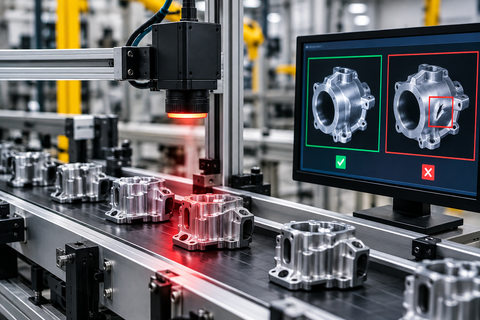
Defect Detection: Complete Guide to Inspection Technologies and Quality Control
Updated: October 26, 2026
Read More