These machines were developed to meet the textile industry's need for faster, cleaner, and more efficient weaving processes. Water jet looms focus on high production output, reduced yarn breakage, and consistent fabric appearance. Their design supports smooth weft insertion and minimized friction, which helps improve overall fabric quality.
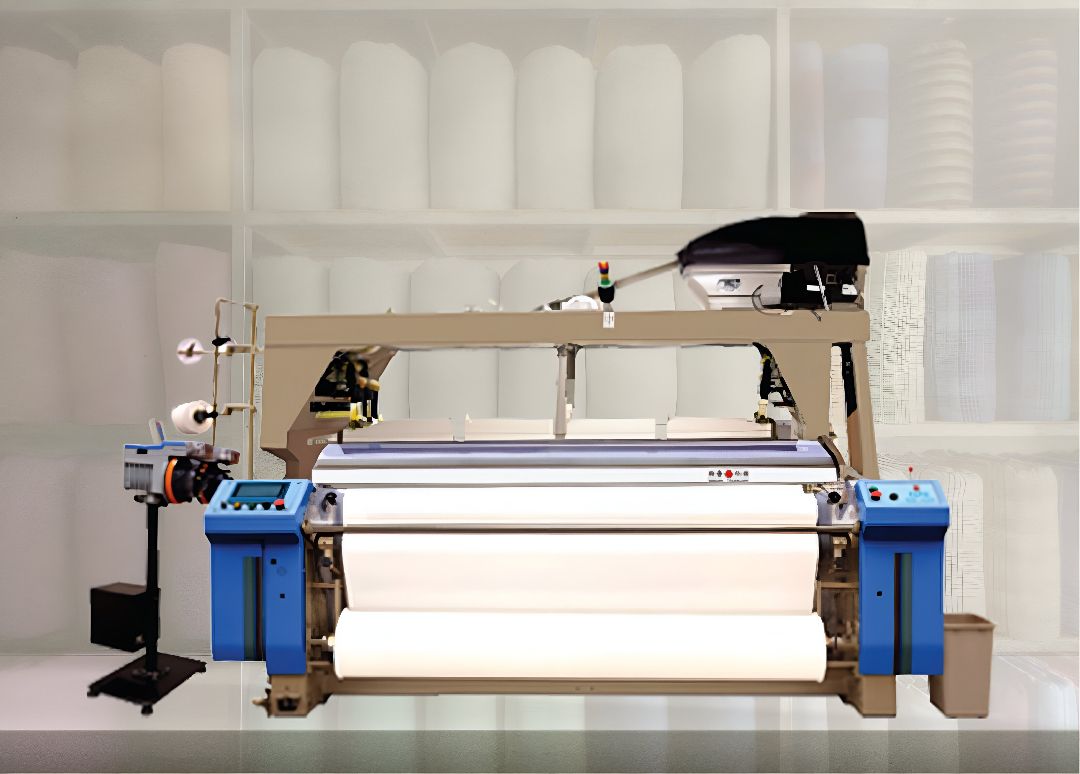
Water jet looms exist because they address limitations in earlier weaving methods, including slow speed, high energy consumption, and lower precision, especially for lightweight synthetic fabrics. Today, they play a major role in both large-scale textile mills and mid-sized weaving operations.
Importance – Why Water Jet Looms Matter Today
Water jet loom technology is increasingly important due to advancements in synthetic textiles, rising global demand for efficient manufacturing, and higher expectations for fabric quality and consistency.
Who It Affects
-
Textile manufacturers
-
Apparel and home furnishing brands
-
Industrial fabric producers
-
Export-oriented textile units
-
Quality inspectors and engineers
Problems Water Jet Looms Help Solve
-
Inconsistent fabric texture: Water-based insertion reduces friction, enabling a smoother weave.
-
Low production speed: These looms operate faster than shuttle and rapier looms in many fabric types.
-
High operational cost: Reduced mechanical parts lead to fewer breakdowns and lower maintenance needs.
-
Energy inefficiency: Water propulsion can be more energy-efficient than air compressors used in air jet looms.
-
Quality variations: Water jet looms ensure even tension, leading to uniform fabric quality.
As demand for polyester-based fabrics grows globally, water jet loom technology helps manufacturers remain competitive.
Recent Updates – Trends and Developments (2024–2025)
Energy-Efficient Water Pumps (2024)
New-generation pumps use optimized nozzles to reduce water consumption by up to 20%, supporting sustainability goals.
Smart Monitoring and IoT Features (2023–2024)
Manufacturers now integrate sensors that track:
-
Warp tension
-
Weft insertion speed
-
Water pressure levels
-
Real-time defects
This helps reduce downtime and ensures stable fabric quality.
Advanced Nozzle Designs
Improved nozzle geometry introduced in 2024 allows higher precision during weft insertion, enhancing overall quality for high-density fabrics.
Reduced Water Usage Technology
Recent models use mini-flow systems, decreasing wastewater output and lowering operational cost.
Digital Fabric Quality Control Systems
New vision-based inspection units detect fabric inconsistencies and automatically adjust tension or speed.
Growth in Eco-Friendly Fabric Treatments
Textile mills are combining water jet weaving with low-water dyeing techniques to minimize environmental impact.
These updates reflect the industry’s shift toward automation, sustainability, and consistent fabric production.
Laws or Policies – Regulatory Considerations Across Countries
Water jet loom operations are influenced by machinery safety rules, environmental laws, and textile production standards.
Safety Standards
Most countries require compliance with:
-
Machine guarding regulations
-
Electrical safety certifications
-
Operator hazard prevention guidelines
Regions such as the EU follow CE marking requirements for weaving machinery.
Water Usage and Environmental Regulations
Because water jet looms rely on water consumption, many regions enforce guidelines on usage and disposal, including:
-
Local water discharge limits
-
Wastewater recycling requirements
-
Industrial treatment plant standards
Countries like China, India, and Vietnam have strengthened water management compliance for textile units.
Energy Regulations
Some countries offer incentives for using energy-efficient textile machinery, encouraging modernization of older weaving units.
Quality Compliance
Textiles produced using water jet looms must meet industry standards such as:
-
ISO fabric quality benchmarks
-
Export quality laws
-
Safety standards for apparel and home textiles
These policies encourage manufacturers to adopt machinery that improves quality consistency while maintaining environmental responsibility.
Tools and Resources – Helpful Support for Water Jet Loom Operators
Machine Monitoring Tools
-
IoT sensor dashboards
-
Water pressure monitoring apps
-
Digital warp tension meters
-
Predictive maintenance software
Fabric Quality Tools
-
Fabric density calculators
-
Yarn quality testing tools
-
Online colorfastness assessment guides
-
Textile standards reference libraries
Operational Resources
-
Manufacturer maintenance manuals
-
Online training modules
-
Standard operating procedure (SOP) templates
-
Textile engineering forums and webinars
Water Management Tools
-
Water recycling system calculators
-
Industrial wastewater analysis kits
-
Efficiency trackers for water consumption
These tools help manufacturers keep operations efficient, reduce defects, and ensure regulatory compliance.
Practical Tips to Maximize Fabric Quality with Water Jet Looms
Maintain Proper Water Pressure
Consistent water pressure is essential for smooth weft insertion. Too much pressure can cause fabric distortion, while too little can lead to insertion failure.
Monitor Yarn Quality
Since water jet looms work best with synthetic yarns, ensure yarn moisture and tension levels remain stable.
Use Clean and Filtered Water
Impurities in water can clog nozzles, reduce fabric quality, and increase machine wear.
Optimize Drying Systems
Because the fabric becomes slightly moist during weaving, efficient drying reduces shrinkage and helps maintain uniform texture.
Regularly Inspect Nozzles and Pumps
Worn-out nozzles cause uneven weft direction and increase fabric defects.
Ensure Proper Fabric Take-Up Tension
Balanced tension prevents wrinkles, uneven density, and weft waviness.
Perform Preventive Maintenance
Routine cleaning, lubrication, and calibration keep machinery running at optimal speed and quality output.
Table: Common Fabric Quality Problems and Suggested Solutions
| Problem | Possible Cause | Suggested Action |
|---|---|---|
| Fabric unevenness | Inconsistent water pressure | Check pump and nozzle alignment |
| Water stains | Unfiltered water | Install water filtration system |
| Weft breaks | Low yarn strength | Inspect yarn quality and humidity |
| Wavy fabric | Incorrect tension | Adjust take-up tension settings |
| Low fabric density | High weft insertion speed | Reduce loom speed to stabilize weave |
FAQs
Are water jet looms suitable for all types of yarn?
No. They are best suited for synthetic yarns like polyester and nylon because natural fibers absorb water and can weaken during weaving.
How often should water jet looms be maintained?
Basic cleaning is recommended daily, while full preventive maintenance should be performed monthly or as advised by the manufacturer.
Do water jet looms consume more water than other textile machines?
They do consume water, but modern machines use reduced-flow systems and recycling units to manage consumption efficiently.
Can water jet looms improve fabric quality?
Yes. Their smooth insertion and low friction significantly enhance uniformity, appearance, and overall fabric consistency.
Is special training required to operate these looms?
Operators benefit from technical training in yarn handling, machine controls, and water pressure calibration to maintain quality.
Final Thoughts
Water jet loom technology offers a powerful combination of high-speed production and consistent fabric quality, making it a preferred choice for synthetic textile manufacturing. As new innovations enhance efficiency and environmental performance, textile companies can achieve better consistency, reduced defects, and reliable long-term output. By understanding the technology, following industry regulations, using the right tools, and maintaining proper machine care, manufacturers can maximize fabric quality while optimizing operational costs.