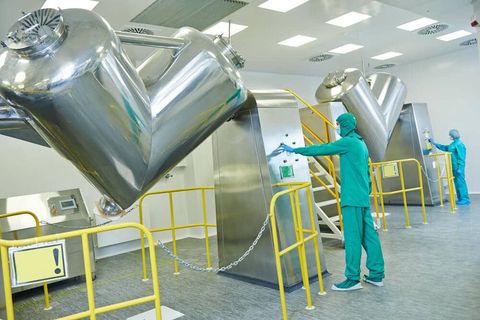
Batch Mixing Machine Explained: Overview, Working, and Practical Insights
A batch mixing machine is industrial equipment designed to combine materials in fixed quantities or “batches” before discharging the finished mixture. Unlike continuous mixing systems, which process materials non-stop, a batch mixing machine works in cycles. Materials are loaded, mixed for a defined duration, and then discharged before the next cycle begins.
This method exists because many industries require precise control over ingredient ratios, mixing time, and material consistency. In sectors such as construction materials, chemicals, food processing, pharmaceuticals, and plastics, exact formulation is critical. Batch mixing machines support this need by allowing operators to measure inputs accurately and verify output consistency.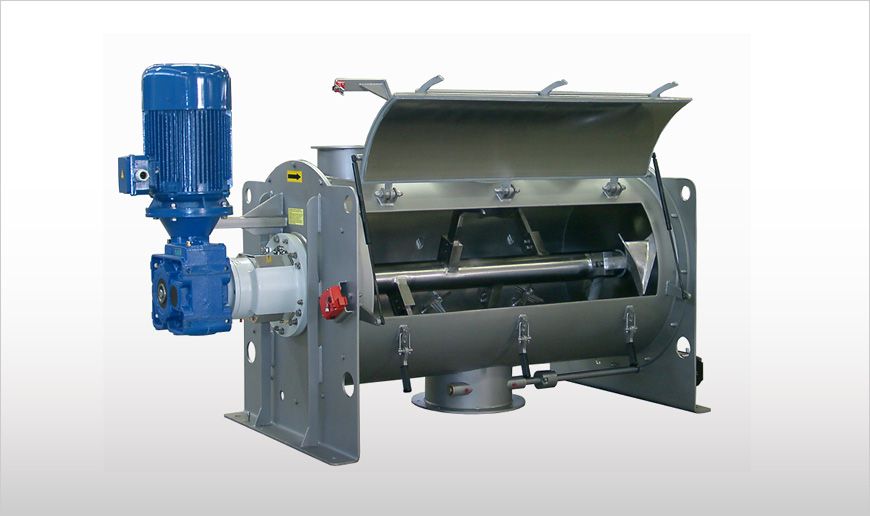
The batch mixing machine approach is especially useful when production involves multiple recipes, varying material properties, or strict quality requirements. By isolating each production cycle, manufacturers can maintain tighter control over composition and traceability.
Importance: Why Batch Mixing Machines Matter in Modern Manufacturing
Batch mixing machines play a central role in industrial production environments where consistency and repeatability are essential. They affect plant operators, process engineers, quality control teams, and facility managers who rely on stable mixing outcomes.
Key reasons batch mixing machines are important include:
-
Precision in formulation: Each batch can follow a defined recipe with controlled quantities.
-
Quality assurance: Measured cycles reduce variability between production runs.
-
Flexibility: Different material combinations can be processed without altering the entire system.
-
Operational control: Mixing time and speed can be adjusted for specific material properties.
-
Traceability: Individual batches can be tracked for documentation and compliance purposes.
In industries such as cement production, coatings, adhesives, food ingredients, and polymer processing, industrial batch mixers enable structured workflows and consistent product characteristics.
Working Principle: How a Batch Mixing Machine Operates
A batch mixing machine follows a defined operational cycle. Although designs vary, the core working process is generally consistent.
-
Material Loading: Raw materials are introduced into the mixing chamber based on predetermined quantities.
-
Mixing Phase: Mechanical components such as paddles, blades, or ribbons rotate to blend the materials.
-
Homogenization: The mixing action distributes components evenly throughout the batch.
-
Discharge: Once mixing is complete, the finished material is released from the chamber.
-
Preparation for Next Cycle: The chamber is reset for the next batch.
The design of the mixing mechanism depends on material type. For example, ribbon mixers are often used for powders, while high-shear mixers are suited for viscous materials. Understanding the working principle helps clarify why industrial mixing equipment must be matched carefully to application requirements.
Types of Batch Mixing Machines Used in Industry
Batch mixing machines are available in several configurations, each suited to different materials and operational needs.
| Mixer Type | Suitable Material | Key Feature |
|---|---|---|
| Ribbon mixer | Powders and granules | Horizontal blending action |
| Paddle mixer | Bulk solids | Gentle mixing with minimal degradation |
| Planetary mixer | Viscous or dense materials | Multi-directional motion |
| High-shear mixer | Liquids and emulsions | Rapid dispersion capability |
| Drum mixer | Pre-packaged containers | Rotational blending |
Selecting the appropriate type depends on material viscosity, batch size, and required uniformity.
Recent Updates: Developments in Industrial Batch Mixing Equipment
Recent developments in batch mixing machine technology reflect broader automation and efficiency trends within manufacturing.
Notable advancements include:
-
Digital control integration: Modern batch mixing machines often include programmable logic controls for precise timing and speed adjustments.
-
Improved energy efficiency: Updated motor designs reduce power consumption during mixing cycles.
-
Enhanced material handling systems: Automated loading and discharge systems improve workflow continuity.
-
Data monitoring features: Sensors track mixing duration, speed, and torque to improve repeatability.
-
Improved durability: Enhanced materials and coatings increase resistance to wear in abrasive environments.
These updates align industrial mixing equipment with data-driven manufacturing practices.
Laws or Policies: Regulatory Considerations in Batch Mixing Operations
Batch mixing machines are subject to safety and operational standards designed to protect workers and ensure reliable equipment performance. While specific requirements vary by region and sector, common regulatory considerations include:
-
Industrial machinery safety standards: Requirements related to guarding, emergency stops, and safe operation.
-
Workplace health regulations: Guidelines for handling dust, chemicals, or food-grade materials.
-
Environmental compliance frameworks: Rules related to emissions, waste handling, and energy efficiency.
-
Sector-specific requirements: Additional standards for pharmaceuticals, food production, or construction materials.
Compliance ensures that industrial batch mixers operate safely and align with applicable industrial regulations.
Tools and Resources: Supporting Efficient Batch Mixing Operations
Several tools and reference materials support professionals working with batch mixing machines.
Common resources include:
-
Mixing time calculators: Tools that estimate optimal mixing duration based on material properties.
-
Material property databases: References for density, viscosity, and flow characteristics.
-
Equipment capacity charts: Guides outlining recommended batch size ranges.
-
Preventive maintenance checklists: Frameworks to monitor blade wear, motor performance, and chamber condition.
-
Process simulation software: Tools that model mixing efficiency under varying conditions.
These resources help improve operational planning and long-term equipment performance.
Practical Insights: When Batch Mixing Is Preferred Over Continuous Mixing
Choosing between batch and continuous mixing depends on production goals.
Batch mixing machines are often preferred when:
-
Production involves multiple formulations.
-
Quality verification is required after each cycle.
-
Materials vary significantly between batches.
-
Smaller production volumes are processed.
Continuous systems may be suitable for high-volume, uniform production lines. However, batch mixing machines remain essential in environments where flexibility and traceability are priorities.
FAQs: Common Questions About Batch Mixing Machines
What industries commonly use batch mixing machines?
They are widely used in construction materials, chemicals, food processing, plastics, coatings, and pharmaceutical manufacturing.
How does a batch mixing machine differ from a continuous mixer?
A batch mixing machine processes fixed quantities per cycle, while a continuous mixer operates without interruption.
What factors influence mixing quality?
Material properties, mixing time, blade design, and rotational speed all affect uniformity.
Can industrial mixing equipment handle both dry and wet materials?
Yes. Different mixer types are designed for powders, granules, liquids, and viscous substances.
Why is traceability important in batch mixing?
Tracking individual batches supports quality documentation and regulatory compliance.
Conclusion: The Role of Batch Mixing Machines in Controlled Production
Batch mixing machines are essential components of controlled manufacturing processes where precision, repeatability, and flexibility are required. By processing materials in defined cycles, they support consistent formulation and quality verification across diverse industries. Advances in digital controls, monitoring systems, and energy efficiency continue to enhance the relevance of industrial batch mixers. Understanding how a batch mixing machine works, its types, and its practical applications provides valuable insight into modern production systems.

You may also like...

Explore Real Estate in Dubai: Property Types, Basics, and Helpful Insights
Last Update: April 11, 2026
Read
Car Rental Service Guide: Overview of Cars, Pickup Steps, and Key Facts
Last Update: April 11, 2026
Read
Learn Content Marketing: Explore Basics, Tips, and Practical Insights
Last Update: April 11, 2026
Read