Heart Lockets: Discover Insights Into Designs, History, and Symbolism
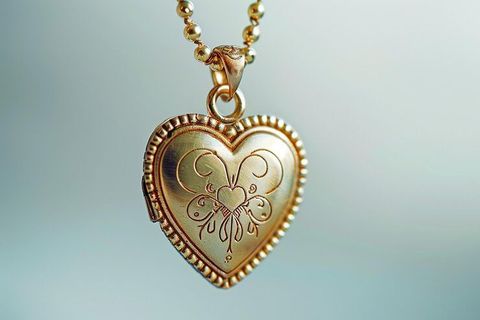
Heart lockets are small pieces of jewelry designed in a heart shape, usually with a hinged or removable compartment that holds a photograph, written message, or another small personal keepsake. They are commonly worn as necklaces, although some designs are incorporated into bracelets and other accessories. Their combination of decorative design and personal meaning has made them a recognizable part of jewelry traditions across different cultures.
The history of lockets goes back several centuries. Earlier examples were often created from precious metals and decorated with engravings, gemstones, or miniature portraits. During the Victorian era, lockets became particularly associated with remembrance and sentimental jewelry. People used them to preserve photographs, hair, and other objects connected with loved ones.
Modern heart lockets combine traditional craftsmanship with contemporary jewelry design. Some maintain the classic opening compartment, while others feature decorative heart-shaped pendants without an interior space. Designs range from simple metal pieces to elaborate gemstone arrangements.
How Heart Lockets Are Designed
A traditional heart locket generally consists of several components:
Outer shell: The visible heart-shaped surface, which determines the overall appearance.
Hinge mechanism: Allows the locket to open and close.
Interior compartment: Holds a photograph, note, or small keepsake.
Closure: Keeps the two sides securely together.
Chain attachment: Connects the pendant to a necklace chain.
The size and construction of these components influence the locket's appearance, weight, durability, and practicality.
Common Types of Heart Lockets
Heart lockets are available in several design categories.
Locket type | Main characteristics | Common use |
|---|---|---|
Classic heart locket | Traditional opening heart-shaped pendant | Personal keepsakes |
Engraved heart locket | Names, dates, initials, or messages | Commemorative jewelry |
Gemstone heart locket | Decorative stones on the exterior | Occasion jewelry |
Vintage-inspired locket | Antique-style detailing and patterns | Traditional styling |
Minimalist heart locket | Simple surfaces and clean outlines | Everyday accessories |
Double-photo locket | Interior compartments for two pictures | Family memories |
Each style provides a different combination of appearance, functionality, and personal expression.
Why Heart Lockets Remain Important
Heart lockets continue to attract attention because they combine jewelry with emotional significance. Unlike many decorative accessories, they can preserve personal memories in a physical form. This makes them relevant to people interested in sentimental gifts, family traditions, commemorative jewelry, and personalized accessories.
Emotional and Personal Significance
A heart locket can represent affection, remembrance, friendship, or a meaningful life event. People may keep photographs of family members, partners, children, or pets inside them.
Some individuals also use lockets to preserve handwritten notes, small messages, or symbolic objects. These personal elements give each piece a meaning that extends beyond its material and decorative features.
Different Occasions and Uses
Heart lockets are associated with several personal occasions, including:
Anniversaries and relationship milestones.
Birthdays and family celebrations.
Memorial and remembrance traditions.
Graduation and other personal achievements.
Family heirlooms passed between generations.
Their relatively compact design also makes them suitable for different clothing styles and occasions.
Jewelry Design and Fashion
Heart-shaped jewelry remains recognizable because of its simple outline and symbolic associations. Contemporary designers incorporate heart lockets into layered necklace arrangements, minimalist jewelry collections, and vintage-inspired accessories.
The popularity of personalized jewelry has also influenced locket designs. Initials, meaningful dates, engraved messages, and custom photographs allow people to create pieces that reflect individual preferences.
Recent Heart Locket Trends and Developments
Jewelry design has continued to evolve through changing consumer preferences, material innovation, digital customization, and renewed interest in vintage aesthetics. Developments during 2025 and 2026 reflect a combination of traditional craftsmanship and contemporary styling.
Vintage-Inspired Jewelry
Vintage-inspired jewelry has remained an important design influence. Heart lockets featuring engraved borders, floral patterns, antique finishes, and decorative hinges reflect historical jewelry traditions.
These designs appeal to people who appreciate traditional craftsmanship while preferring accessories that can be incorporated into modern clothing styles.
Personalized Jewelry Designs
Personalization continues to influence jewelry design. Modern production techniques allow manufacturers to incorporate detailed engraving, initials, dates, and customized decorative elements.
Popular personalization features include:
Initials and short inscriptions.
Important dates and anniversary messages.
Family photographs and miniature portraits.
Birthstone-inspired decorative arrangements.
Custom exterior patterns.
Digital design tools also make it easier to preview engraving positions and pendant layouts before production.
Mixed Metals and Contemporary Styling
Combining different metal colors has become a recognizable approach in contemporary jewelry design. Heart lockets may feature yellow-gold-colored, silver-colored, and rose-gold-colored elements in one design.
Layered necklaces are another styling approach. A heart locket can be worn alongside shorter chains, small pendants, or simple necklaces to create a more detailed arrangement.
Responsible Material Choices
Environmental awareness has encouraged greater attention to recycled metals, material traceability, and responsible sourcing within the jewelry industry.
Some manufacturers and jewelry designers are incorporating recycled precious metals and documenting material origins. However, environmental claims vary between manufacturers and should be supported by reliable documentation.
Technology in Jewelry Manufacturing
Computer-aided design (CAD), precision engraving, and modern metalworking techniques have expanded the possibilities for creating detailed locket designs.
These technologies can help produce consistent shapes, intricate patterns, and accurately fitted internal compartments. Traditional hand-finishing techniques remain relevant, particularly for decorative and heritage-inspired jewelry.
Laws, Hallmarking Standards and Jewelry Policies
Heart lockets can be manufactured using gold, silver, platinum, stainless steel, and other materials. Regulations depend on the country, the material used, and whether the jewelry is described as containing precious metals or gemstones.
Hallmarking and consumer protection rules are particularly important because they help establish the accuracy of material descriptions and precious-metal purity claims.
Precious Metal Regulations in India
In India, the Bureau of Indian Standards (BIS) oversees the hallmarking framework for gold and silver jewelry. The BIS Act, 2016, provides the legal foundation for standards and certification requirements.
Important considerations include:
Gold hallmarking: Hallmarked gold jewelry carries the BIS Standard Mark, purity information, and a six-character alphanumeric Hallmark Unique Identification (HUID) number.
Gold purity: Recognized grades include 14K, 18K, 20K, 22K, 23K, and 24KS.
Silver hallmarking: Silver jewelry has recognized purity grades under the applicable Indian Standard.
Jeweler registration: Businesses involved in selling hallmarked precious-metal jewelry must follow applicable BIS registration requirements and exemptions.
Consumer protection: Customers can request testing of jewelry through recognized Assaying and Hallmarking Centres.
The BIS CARE application includes a HUID verification feature that helps consumers check identifying details associated with hallmarked gold jewelry.
Important Silver Hallmarking Update
A relevant development took place on September 1, 2025. The revised Indian Standard IS 2112:2025 introduced voluntary HUID-based hallmarking for silver jewelry and articles.
The revised framework includes a BIS mark, purity grade, and HUID code. It also recognizes seven silver purity grades: 800, 835, 925, 958, 970, 990, and 999.
This development improves the potential traceability of silver jewelry, including heart-shaped pendants and lockets made from qualifying silver materials.
Consumer Protection in Other Countries
Jewelry regulations differ internationally.
In the United States, the Federal Trade Commission (FTC) Jewelry Guides address accurate descriptions of precious metals, gemstones, laboratory-created stones, and imitation materials. These guidelines help prevent misleading product descriptions and unsupported material claims.
Consumers in other countries should consult their national standards organizations and consumer protection authorities for applicable hallmarking, labeling, and precious-metal requirements.
Important Checks Before Choosing a Heart Locket
Consider the following details when evaluating a heart locket:
Confirm whether the material is solid precious metal, plated metal, or a base-metal alloy.
Check the stated gold or silver purity where applicable.
Examine any hallmark or certification details.
Review the chain attachment and opening mechanism.
Check whether gemstone descriptions distinguish natural, laboratory-created, and imitation stones.
Keep documentation describing the material and metal purity.
These checks help people understand the actual construction and characteristics of their jewelry.
Tools and Resources for Understanding Heart Lockets
Several digital tools, reference resources, and jewelry-related applications can help people explore heart locket designs, understand materials, and maintain their personal jewelry collections.
1. Jewelry Design and Visualization Tools
Computer-aided design software helps jewelry designers develop pendant shapes, interior compartments, engraving layouts, and decorative patterns.
Common applications include:
Rhino 3D: Used for detailed three-dimensional jewelry modeling.
MatrixGold: Jewelry-focused CAD software for designing intricate pieces.
Blender: A 3D modeling application that can help visualize jewelry shapes and decorative concepts.
2. Jewelry Identification and Verification
Material identification tools can help people understand precious-metal characteristics.
BIS CARE App: Provides HUID verification for eligible hallmarked jewelry in India.
Digital jewelry records: Help maintain information about metal purity, photographs, certificates, and purchase documentation.
Jewelry loupe: A magnifying instrument used to examine small markings, engraving, and surface details.
Digital weighing scale: Helps measure jewelry weight accurately.
3. Photography and Personalization Tools
People interested in preserving memories inside heart lockets can use photo-editing and layout applications.
Useful options include:
Adobe Photoshop for photograph adjustments.
Canva for creating simple photo layouts.
GIMP for image editing and resizing.
Smartphone photo applications for cropping and organizing pictures.
4. Jewelry Care and Maintenance Resources
Jewelry care depends on the metal, gemstones, plating, and construction.
Useful resources include manufacturer care instructions, professional jewelry assessments, and material-specific cleaning guidance. Soft storage pouches and separate jewelry compartments can also help reduce scratches.
Avoid applying cleaning chemicals without checking whether they are suitable for the particular metal and decorative materials.
Frequently Asked Questions About Heart Lockets
1. What Is the Main Purpose of a Heart Locket?
A heart locket is a decorative jewelry piece designed to hold a small photograph, personal message, or sentimental keepsake. It can represent affection, remembrance, family connections, or an important personal occasion.
2. Which Materials Are Commonly Used in Heart Lockets?
Heart lockets are manufactured using several materials, including:
14K, 18K, and 22K gold.
Sterling silver.
Platinum.
Stainless steel.
Gold-plated and silver-plated metals.
The material affects the pendant's appearance, durability, maintenance requirements, and overall characteristics.
3. Can Heart Lockets Hold More Than One Photograph?
Yes. Some heart lockets have double-sided interior compartments designed to accommodate two miniature photographs. Other designs have a single compartment or removable photo insert.
The available space depends on the pendant's dimensions and internal construction.
4. How Should Heart Lockets Be Maintained?
Regular maintenance helps preserve the appearance and functionality of heart lockets.
Recommended practices include:
Store the locket in a dry, separate jewelry compartment.
Keep it away from harsh chemicals and excessive moisture.
Use a soft cloth for routine surface cleaning.
Check the hinge and closure periodically.
Follow material-specific cleaning instructions.
Professional inspection may be appropriate for intricate mechanisms or delicate gemstone settings.
5. What Is the Difference Between a Heart Locket and a Regular Heart Pendant?
A traditional heart locket contains an opening compartment designed to hold a photograph or keepsake. A regular heart pendant is generally decorative and does not necessarily have an interior compartment.
Both designs can feature similar shapes, materials, gemstones, and engraving styles, but their functionality is different.
Conclusion
Heart lockets remain an important category of sentimental jewelry because they combine traditional craftsmanship, personal memories, and recognizable decorative designs. Their historical significance continues to influence contemporary collections, while personalization, mixed metals, vintage-inspired patterns, and modern manufacturing techniques introduce new design possibilities.
Understanding the differences between locket styles, precious-metal materials, engraving options, and interior construction helps people identify designs that suit their preferences and intended use.
Hallmarking standards and consumer protection regulations also play an important role in understanding jewelry quality and material authenticity. As jewelry design continues to evolve, heart lockets are likely to retain their place as meaningful accessories that connect personal expression with traditional jewelry craftsmanship.

Related Post...
Explore Animal-Shaped Brooches: Popular Designs, Styles, and Fashion Trends
Updated: November 04, 2026
Read More
Discover Ruby Rings: Types, Characteristics, and Design Details
Updated: November 02, 2026
Read More
Solitaire Pendants Overview: Popular Styles, Shapes, and Design Trends
Updated: November 03, 2026
Read More