Finnish Minimalist Rings: Insights Into Scandinavian Craftsmanship and Modern Trends
Finnish minimalist rings are jewellery pieces influenced by Finland's design philosophy, which values simplicity, functionality, craftsmanship, and a close relationship with nature. Their appearance often features clean lines, balanced proportions, subtle details, and carefully selected materials. Rather than relying on complicated decoration, these rings focus on the beauty of their shape and finish.
Finnish jewellery design is closely connected to the wider Scandinavian design tradition. This approach developed through an appreciation of practical objects, natural materials, and thoughtful craftsmanship. Jewellery designers apply these principles to create rings that can be worn comfortably in everyday life while maintaining a distinctive visual identity.
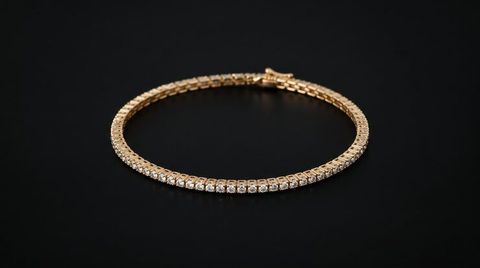
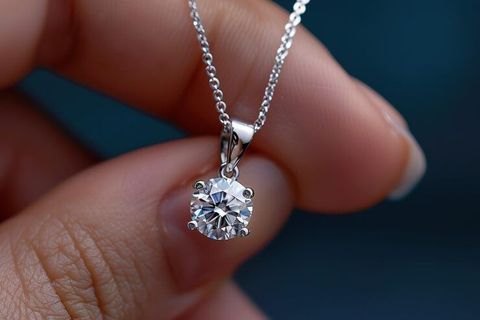
A minimalist ring may feature a smooth circular band, a slightly curved surface, a geometric structure, or a small gemstone. Some designs use polished gold or silver, while others incorporate brushed metal, recycled precious metals, or understated diamond settings.
Common characteristics include:
Simple geometric shapes: Straight lines, rounded edges, and balanced proportions.
Natural inspiration: Forms influenced by forests, lakes, stones, and Nordic landscapes.
Subtle decoration: Small diamonds, delicate textures, or discreet engraved details.
Practical construction: Comfortable profiles and durable metal structures.
Neutral appearance: Designs that complement different clothing styles and occasions.
Popular categories include Finnish minimalist gold rings, Scandinavian silver rings, platinum wedding bands, and contemporary minimalist engagement rings. Although these styles share similar design principles, individual designers often interpret minimalism differently.
Importance: Why Minimalist Ring Design Matters Today
Minimalist jewellery has become an important part of contemporary fashion because many people appreciate designs that are versatile, comfortable, and visually balanced. Finnish minimalist rings reflect this preference by combining traditional metalworking knowledge with modern design ideas.
One important advantage is versatility. A simple gold or silver ring can complement professional clothing, casual outfits, and formal occasions. This makes minimalist jewellery relevant to people who prefer a consistent personal style rather than frequently changing accessories.
Another important consideration is long-term design relevance. Highly decorative jewellery may reflect a particular fashion period, whereas simple shapes can remain visually familiar across different generations. This does not mean every minimalist design is timeless, but its restrained appearance can make it easier to incorporate into different wardrobes.
Materials and craftsmanship
Material selection has a major influence on the appearance, durability, and maintenance of minimalist rings.
| Material | Common characteristics | Typical applications |
|---|---|---|
| 14K gold | Contains 58.5% pure gold | Everyday rings |
| 18K gold | Contains 75% pure gold | Fine jewellery |
| Sterling silver | Usually 92.5% silver | Minimalist fashion rings |
| Platinum | Dense and naturally white | Wedding and engagement rings |
| Palladium | Naturally white precious metal | Contemporary ring designs |
| Recycled gold | Gold recovered from existing materials | Jewellery with recycled content |
The appropriate material depends on the intended design, wearing habits, maintenance requirements, and personal preferences.
Sustainability and responsible materials
Environmental awareness has also influenced discussions about modern jewellery production. Responsible sourcing, recycled precious metals, transparent material information, and longer product lifespans are increasingly relevant considerations.
For example, recycled gold can reduce the need for newly mined gold, although its overall environmental impact depends on collection, refining, and manufacturing processes. Similarly, laboratory-grown diamonds and recycled gemstones are subjects of interest in contemporary jewellery discussions.
These considerations are particularly relevant to people researching ethical gold rings, sustainable jewellery materials, and Scandinavian jewellery craftsmanship.
Personal expression and everyday use
Minimalist rings are not limited to one age group or occasion. Their relatively simple structures make them suitable for different personal styles and cultural preferences.
They can represent relationships, personal milestones, family connections, or individual design interests. Engraving, gemstone selection, and different metal finishes can introduce personal meaning without changing the overall minimalist appearance.
Recent Updates: Finnish and Scandinavian Ring Trends in 2025–2026
During 2025 and 2026, contemporary ring design discussions have highlighted a combination of traditional simplicity, individual expression, and changing material preferences.
Personalised jewellery in 2025
On 2 January 2025, Finnish jewellery retailer Festive discussed several ring design developments, including personalised details, vintage influences, coloured gemstones, nature-inspired patterns, and combinations of different gold colours.
The discussion also highlighted clean shapes and simple aesthetics as continuing influences on minimalist wedding ring design. This demonstrates that minimalism can coexist with personal decoration rather than requiring every ring to have an entirely plain surface.
Lighter designs and individual combinations in 2026
On 29 April 2026, Festive published an overview of ring trends for the year. Its discussion highlighted lightweight structures, more visible diamond details, and individual combinations of complementary rings.
The article also discussed slim ring profiles and designs intended to sit comfortably alongside other bands. These developments illustrate how minimalist jewellery can incorporate additional visual interest without losing its balanced appearance.
Important developments in contemporary design
Several themes are relevant to Finnish minimalist rings:
Slim ring profiles: Narrower bands and lightweight structures create a subtle appearance.
Mixed-metal combinations: Yellow, white, and rose gold can introduce contrast.
Nature-inspired textures: Organic surfaces connect jewellery with Nordic design influences.
Individual arrangements: Multiple simple rings can be combined into a coordinated set.
Responsible material choices: Recycled metals and clearer sourcing information receive attention.
Laboratory-grown diamonds: These stones provide another option for contemporary diamond jewellery designs.
These developments are design observations rather than universal market statistics. Individual preferences differ between countries, designers, and jewellery categories.
Laws or Policies: Jewellery Regulations in Finland
Finnish minimalist rings made with precious metals are subject to national legislation and applicable European Union regulations. These rules help establish standards for metal purity, product information, chemical safety, and consumer protection.
Precious Metals Act
Finland's Act on Precious Metal Products (1029/2000) and Government Decree (1148/2000) establish requirements for precious metal jewellery.
Products marketed as precious metal articles must meet minimum fineness requirements:
| Precious metal | Minimum fineness |
|---|---|
| Gold | 375 parts per thousand |
| Silver | 800 parts per thousand |
| Platinum | 500 parts per thousand |
| Palladium | 500 parts per thousand |
These figures describe the minimum precious metal content by mass under the relevant Finnish requirements.
Hallmarking and responsibility marks
Precious metal articles generally need a responsibility mark and a fineness mark, or an accepted assay office mark together with a fineness mark.
A responsibility mark identifies the responsible manufacturer, importer, or retailer. The fineness mark indicates the precious metal content.
Certain lightweight articles are exempt from mandatory marking. For example, the exemption applies to silver articles weighing less than 10 grams and gold, platinum, or palladium articles weighing less than 1 gram.
Finland currently has no domestic assay office that hallmarks precious metal articles. This is an important consideration when examining Finnish hallmarking requirements and imported jewellery.
European REACH chemical restrictions
The European Union's REACH Regulation restricts certain hazardous substances in consumer products, including jewellery.
Nickel restrictions are particularly relevant to rings because prolonged skin contact may cause allergic reactions in sensitive individuals. Restrictions also apply to lead and cadmium in relevant jewellery components.
According to Finnish Safety and Chemicals Agency guidance, lead content in jewellery must be below 0.05% by weight, subject to applicable exemptions.
General Product Safety Regulation
The EU General Product Safety Regulation (GPSR), Regulation (EU) 2023/988, has applied since 13 December 2024. It establishes general safety requirements for consumer products, including relevant jewellery products.
Manufacturers, importers, and other economic operators have responsibilities relating to product safety, traceability, and required information.
Understanding these regulations is important for jewellery designers, manufacturers, importers, and consumers examining precious metal jewellery in Finland.
Tools and Resources: Understanding Ring Design and Materials
Several practical resources can help people understand Finnish minimalist rings, compare materials, and examine jewellery quality.
1. Finnish Safety and Chemicals Agency (Tukes)
Tukes provides information about precious metal requirements, responsibility marks, fineness markings, and chemical restrictions. Its guidance is useful for understanding Finnish jewellery regulations.
2. Precious metal fineness calculator
A metal fineness calculator helps explain the relationship between pure precious metal and alloy content.
For example:
14K gold corresponds to approximately 585 parts per thousand.
18K gold corresponds to 750 parts per thousand.
Sterling silver generally contains 925 parts per thousand of silver.
3. Ring size measurement tools
Ring size charts and measurement guides help explain how finger circumference relates to ring diameter. Measurements should account for finger shape, temperature, and the width of the ring band.
4. Jewellery design software
Computer-aided design (CAD) applications help jewellery designers create accurate digital models. They can be used to examine ring proportions, gemstone placement, band thickness, and surface details before physical production.
5. Gemstone evaluation resources
Gemological references explain diamond characteristics, including cut, colour, clarity, and carat weight. These factors help readers understand diamond minimalist rings and gemstone settings.
6. Sustainability information
Material traceability documents and responsible sourcing reports can provide information about the origin and processing of precious metals. Recycled metal declarations should be examined carefully to understand what percentage of a ring contains recycled material.
7. Jewellery maintenance guides
Professional jewellery care guidance explains appropriate cleaning methods, storage conditions, polishing, and periodic inspection. Different metals and gemstones may require different maintenance practices.
Frequently Asked Questions About Finnish Minimalist Rings
1. What makes Finnish minimalist rings different from other jewellery styles?
Finnish minimalist rings are influenced by Scandinavian design principles, including simplicity, functionality, balanced proportions, and natural inspiration. They generally feature clean shapes, subtle decoration, and carefully considered materials rather than elaborate ornamentation.
2. Which materials are commonly used in Finnish minimalist rings?
Gold, sterling silver, platinum, and palladium are common precious metals used in minimalist ring designs. Some contemporary designs also incorporate recycled gold, laboratory-grown diamonds, and other gemstones. Material selection depends on durability, appearance, and personal preferences.
3. Are minimalist gold rings suitable for everyday wear?
Many minimalist gold rings are designed for regular use because their simple structures can be practical and comfortable. However, durability depends on gold purity, alloy composition, band thickness, and construction. Rings should also be maintained according to the characteristics of their materials.
4. What do Finnish precious metal markings mean?
Finnish precious metal markings provide information about metal purity and the responsible party. For example, a 750 fineness mark indicates at least 75% pure gold, while 925 indicates at least 92.5% pure silver. Applicable marking requirements depend on the metal, weight, and product category.
5. How can consumers evaluate sustainable minimalist jewellery?
Consumers can examine material declarations, recycled metal percentages, gemstone information, and sourcing documentation. They can also consider the durability, repairability, and expected lifespan of a ring. Environmental claims should be supported by clear and verifiable information rather than general descriptions.
Conclusion
Finnish minimalist rings represent an interesting combination of Scandinavian design principles, traditional craftsmanship, and contemporary jewellery development. Their clean shapes, balanced proportions, and understated details demonstrate how relatively simple designs can communicate individuality and personal meaning.
Gold, silver, platinum, and other precious metals provide different possibilities for minimalist ring construction. Meanwhile, developments in recycled materials, gemstone selection, and digital jewellery design continue to influence contemporary approaches.
Finland's precious metal legislation and European Union product safety requirements also play an important role in maintaining material standards and consumer confidence. Understanding fineness marks, chemical restrictions, and product information can help people evaluate jewellery more carefully.
Overall, Finnish minimalist rings illustrate how functionality, natural inspiration, material quality, and thoughtful design can come together in modern jewellery. Their continued relevance reflects a broader interest in simplicity, individual expression, and craftsmanship.

Related Post...
Explore Animal-Shaped Brooches: Popular Designs, Styles, and Fashion Trends
Updated: November 04, 2026
Read More
Designer Cocktail Rings: Key Insights into Gemstones, Cuts, and Settings
Updated: November 03, 2026
Read More