Explore Animal-Shaped Brooches: Popular Designs, Styles, and Fashion Trends
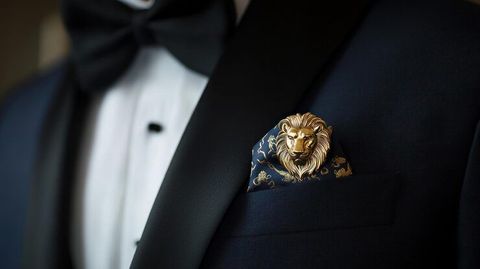
Animal-shaped brooches are decorative jewelry pieces designed to represent animals, birds, insects, and other creatures. They combine artistic expression with traditional jewelry craftsmanship. Common designs include butterflies, birds, cats, dogs, elephants, lions, snakes, bees, and horses.
These accessories have a long history in personal decoration. Early brooches served practical purposes, such as fastening garments, while later designs became more elaborate and decorative. Over time, jewelers began incorporating animal figures, precious metals, colorful stones, and detailed surface patterns into brooch designs.
Today, animal-shaped brooches appear in different jewelry categories, from everyday fashion accessories to luxury fine jewelry and collectible vintage pieces. Their appearance can range from simple metal silhouettes to detailed sculptures featuring diamonds, sapphires, rubies, pearls, and colored enamel.
How Animal-Inspired Jewelry Developed
Animal imagery has appeared in jewelry across many cultures and historical periods. Ancient civilizations used animal figures to represent strength, protection, fertility, wisdom, and connections with nature.
During the Victorian period, animal-themed jewelry became particularly recognizable. Birds, insects, and domestic animals appeared in decorative accessories, often carrying symbolic meanings.
Modern jewelry designers continue this tradition by combining traditional techniques with contemporary shapes, materials, and artistic interpretations.
Common Types of Animal-Shaped Brooches
Different animal designs appeal to different aesthetic preferences and cultural interests.
Butterfly brooches: Often associated with transformation, nature, and delicate craftsmanship.
Bird brooches: Include peacocks, owls, hummingbirds, and swans.
Cat and dog brooches: Represent familiar companion animals and personal interests.
Elephant brooches: Frequently feature detailed metalwork and gemstone decoration.
Bee brooches: Combine nature-inspired designs with intricate surface patterns.
Horse brooches: Commonly represent movement, elegance, and strength.
Snake brooches: Use curved shapes and textured metalwork to create distinctive designs.
Each category offers different opportunities for artistic interpretation and jewelry construction.
Importance of Animal-Shaped Brooches in Modern Fashion
Animal-shaped brooches remain relevant because they combine personal expression, decorative craftsmanship, and historical design traditions. Unlike some jewelry accessories that follow specific styling conventions, brooches can be placed on jackets, scarves, dresses, hats, and bags.
Their versatility makes them relevant to fashion enthusiasts, jewelry collectors, designers, and people interested in artistic accessories.
Personal Expression and Fashion Identity
Animal-inspired jewelry allows individuals to communicate interests through visual details. Someone interested in wildlife might prefer an elephant or bird design, while another person may select a butterfly or cat.
Brooches also provide a way to introduce decorative elements into otherwise simple clothing. A carefully positioned animal brooch can become a focal point without requiring several additional accessories.
Craftsmanship and Jewelry Materials
The materials used in animal-shaped brooches influence their appearance, durability, and classification.
Material | Common Characteristics | Typical Applications |
|---|---|---|
Gold | Warm color and lasting material value | Luxury fine jewelry |
Sterling silver | Bright finish and detailed metalwork | Contemporary and traditional designs |
Platinum | Dense, durable precious metal | High-end jewelry |
Enamel | Smooth, colorful decorative surface | Butterflies, birds, and insects |
Diamonds | Light reflection and brilliance | Luxury animal brooches |
Sapphires | Available in several colors | Bird and butterfly designs |
Pearls | Soft natural appearance | Classic decorative brooches |
Stainless steel | Modern appearance and durability | Contemporary accessories |
Collecting and Historical Significance
Vintage animal brooches can reflect the design preferences, manufacturing techniques, and cultural influences of their periods.
Collectors often examine:
Hallmarks and metal purity markings.
Designer signatures and manufacturing details.
Gemstone characteristics and settings.
Enamel condition and decorative techniques.
Historical period and documented ownership.
Original construction and restoration history.
These details help establish the background and characteristics of individual jewelry pieces.
Recent Updates and Animal Brooch Trends in 2025–2026
The jewelry and fashion industries have shown renewed interest in decorative brooches during 2025 and 2026. Contemporary designers are revisiting traditional accessories while introducing more expressive shapes, textured finishes, and nature-inspired details.
The Return of Statement Brooches
Brooches appeared prominently in Spring/Summer 2026 and Autumn/Winter 2026 fashion collections. Designers presented oversized decorative pins, sculptural metal designs, colorful embellishments, and distinctive animal-inspired shapes.
Fashion coverage in 2026 highlighted animal motifs such as lions, fish, kittens, squirrels, and butterflies. These designs demonstrate how traditional jewelry can be reinterpreted through contemporary fashion.
Popular Materials and Design Directions
Several design directions are gaining attention:
Sculptural gold brooches: Three-dimensional animal figures with textured surfaces and polished details.
Diamond animal brooches: Designs incorporating diamonds and precious gemstones for luxury fine jewelry.
Colorful enamel jewelry: Butterfly, bird, and insect designs featuring multiple enamel shades.
Vintage-inspired brooches: Traditional shapes influenced by Victorian, Art Deco, and mid-century jewelry.
Nature-inspired metalwork: Designs featuring feathers, wings, scales, and realistic animal textures.
Fashion Industry Developments
In February 2026, New York Fashion Week collections featured brooches from several designers, including Ralph Lauren, Tory Burch, Khaite, and Coach. Their presentations included decorative pins, gemstone clusters, and accessories used as clothing fasteners.
In March 2026, fashion coverage also highlighted animal-inspired brooch designs and their appearance across contemporary jewelry collections. These developments indicate that brooches are being considered versatile accessories rather than exclusively traditional ornaments.
Growing Interest in Collectible Jewelry
Interest in vintage jewelry and heirloom-inspired accessories has also influenced modern animal brooch designs. Collectors increasingly appreciate distinctive craftsmanship, historical references, and unusual decorative motifs.
For jewelry designers, this creates opportunities to explore detailed animal sculptures, mixed-metal finishes, and combinations of traditional gemstones with modern enamel techniques.
Laws, Regulations, and Jewelry Policies
Animal-shaped brooches are generally subject to the same jewelry regulations as other decorative accessories. However, additional rules may apply when a piece contains precious metals, gemstones, restricted chemicals, or materials obtained from protected wildlife.
Requirements vary by country, manufacturing location, and destination market.
Precious Metal Hallmarking in India
In India, the Bureau of Indian Standards (BIS) operates the hallmarking framework for gold and silver jewelry.
Gold jewelry covered by mandatory hallmarking requirements must carry the applicable BIS hallmark. Its components include:
BIS Standard Mark.
Purity or fineness designation.
Six-character alphanumeric Hallmark Unique Identification (HUID).
The BIS Care application provides a feature for checking the authenticity and identifying details of eligible hallmarked gold jewelry.
An important development occurred on 1 September 2025, when HUID-based hallmarking for silver jewelry and articles was introduced on a voluntary basis under the revised IS 2112:2025 standard. The system improves traceability through identification of the silver article and its purity grade.
International Wildlife Protection Rules
Animal-inspired designs sometimes use materials associated with wildlife, including ivory, tortoiseshell, coral, and certain animal-derived materials.
The Convention on International Trade in Endangered Species of Wild Fauna and Flora (CITES) regulates international trade in protected wildlife and their products.
Depending on the species and applicable listing, international movement may require permits or may be prohibited. Antique status does not automatically remove every restriction.
Designers and collectors should check the material's origin and relevant documentation before transporting wildlife-derived jewelry across international borders.
Chemical Safety and Jewelry Standards
The European Union regulates certain chemical substances in jewelry under the REACH Regulation.
Restrictions cover substances such as cadmium and nickel in specified jewelry components. Cadmium restrictions specifically include brooches and cufflinks.
Manufacturers and importers supplying jewelry to the European market should consider applicable chemical testing and material compliance requirements.
In the United States, the Federal Trade Commission's Jewelry Guides address truthful descriptions of precious metals, gemstones, laboratory-created stones, and imitation materials. Accurate descriptions help prevent misleading representations of jewelry characteristics.
Tools and Resources for Animal-Shaped Brooches
Several professional resources can help jewelry enthusiasts, designers, manufacturers, and collectors understand animal-inspired jewelry.
Jewelry Design and Illustration Tools
Adobe Illustrator: Useful for developing animal brooch outlines, vector illustrations, and decorative patterns.
Rhino 3D: Supports three-dimensional jewelry modeling and detailed animal-shaped structures.
MatrixGold: A jewelry CAD platform used for developing intricate fine jewelry designs.
Blender: Useful for creating three-dimensional animal sculptures and visual design concepts.
Gemstone and Metal Identification Resources
Gemological Institute of America (GIA): Provides educational information about diamonds, colored gemstones, and gem identification.
Bureau of Indian Standards (BIS): Provides information about precious metal hallmarking and purity standards.
BIS Care App: Helps users verify eligible HUID-marked jewelry.
Gemstone identification guides: Help explain gemstone properties, treatments, and grading terminology.
Jewelry Collection and Research Resources
Useful research categories include:
Antique jewelry identification guides.
Victorian and Art Deco jewelry history.
Luxury jewelry design archives.
Enamel craftsmanship references.
Precious metal purity charts.
Jewelry appraisal documentation templates.
Wildlife material identification resources.
Jewelry Maintenance and Storage
Proper maintenance helps preserve the appearance and structural condition of decorative brooches.
Recommended practices include:
Store individual brooches in separate padded compartments.
Keep gemstone settings away from hard surfaces.
Avoid exposing delicate enamel to sudden temperature changes.
Inspect clasps, pins, and hinges periodically.
Follow material-specific cleaning instructions.
Keep historical documentation and gemstone certificates together.
These practices are particularly relevant to antique animal brooches and intricate diamond or gemstone jewelry.
Frequently Asked Questions About Animal-Shaped Brooches
1. What are animal-shaped brooches?
Animal-shaped brooches are decorative jewelry accessories designed to resemble animals, birds, insects, or other creatures. They may feature precious metals, gemstones, enamel, pearls, or other decorative materials.
2. Which animal brooch designs are popular?
Butterflies, bees, birds, elephants, cats, dogs, lions, horses, and snakes are recognizable design categories. Their popularity varies according to fashion trends, cultural preferences, and individual interests.
3. Which materials are commonly used in luxury animal brooches?
Luxury animal brooches may incorporate gold, platinum, sterling silver, diamonds, sapphires, rubies, emeralds, and cultured pearls. Enamel is also commonly used to introduce color and intricate decorative details.
4. How can someone identify the authenticity of a gold animal brooch?
Examine its hallmark, metal purity information, manufacturer markings, and supporting documentation. In India, eligible hallmarked gold jewelry can be checked through the BIS Care application using its HUID number. Independent professional assessment may also help establish material authenticity.
5. Are vintage animal-shaped brooches collectible?
Yes. Vintage animal brooches can attract collectors interested in historical jewelry, distinctive craftsmanship, recognized designers, and unusual animal motifs. Their collectible significance depends on factors such as condition, authenticity, materials, rarity, and documented history.
Conclusion
Animal-shaped brooches represent an interesting combination of jewelry craftsmanship, artistic creativity, and nature-inspired fashion. From traditional butterfly and bird designs to contemporary lion, elephant, and insect sculptures, these accessories offer many different approaches to decorative jewelry.
Developments during 2025–2026 demonstrate renewed interest in statement brooches, colorful enamel designs, precious gemstone arrangements, and vintage-inspired accessories. At the same time, precious metal hallmarking, gemstone disclosure, chemical safety, and wildlife protection regulations remain important considerations.
Understanding materials, manufacturing techniques, historical influences, and international regulations helps designers, collectors, and jewelry enthusiasts appreciate animal-shaped brooches from both artistic and practical perspectives.
Ultimately, animal-inspired brooches continue to connect traditional jewelry design with changing fashion preferences, making them a distinctive part of the wider luxury jewelry and fashion accessories landscape.

Related Post...
Discover Diamond Hoops: A Complete Overview of Designs and Trends
Updated: November 03, 2026
Read More
Beginner’s Guide to Gold Tennis Bracelets: Styles, Materials, and Key Details
Updated: November 04, 2026
Read More
Discover Ruby Rings: Types, Characteristics, and Design Details
Updated: November 02, 2026
Read More