Fluid Pump Systems Discover How Modern Industries Improve Flow Efficiency
Fluid pump systems are essential to modern industries that rely on the controlled movement of liquids throughout production, processing, and utility operations. From manufacturing facilities and water treatment plants to chemical processing and energy generation, these systems ensure that fluids reach the right location at the required pressure and flow rate.
As industrial operations become more automated and efficiency-focused, pump systems have evolved beyond simple fluid transfer equipment. Modern installations combine mechanical engineering, electronic controls, monitoring technologies, and intelligent system design to deliver dependable performance while reducing energy consumption and maintenance requirements.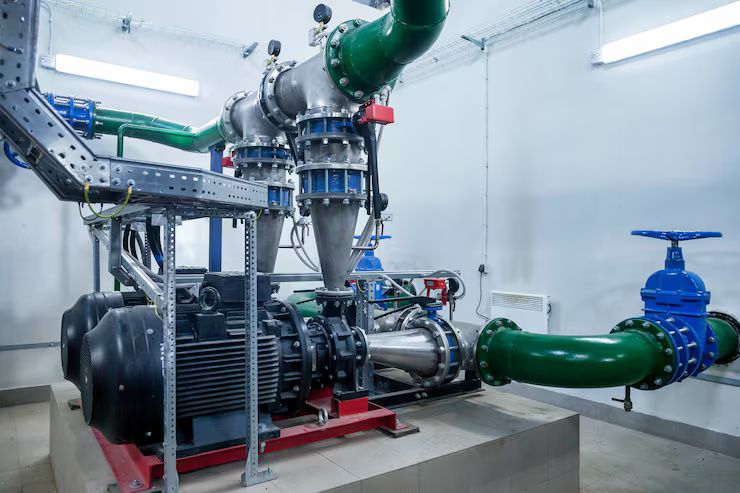
A practical understanding of fluid pump systems provides valuable insight into how industries maintain consistent production, improve operational reliability, and optimize resource utilization. Knowing how these systems function also helps explain why proper design, component selection, and routine maintenance are critical to long-term performance.
How Fluid Pump Systems Support Industrial Operations
Every fluid pump system is designed to move liquids from one location to another while maintaining the required pressure, volume, and flow characteristics. Although the basic objective remains consistent across industries, operating conditions vary significantly depending on the application.
Production facilities use pump systems to transport raw materials, cooling fluids, lubricants, and finished products between different stages of manufacturing. Municipal infrastructure depends on pumps for water distribution, wastewater management, and drainage, while processing industries rely on carefully controlled fluid movement to maintain product quality and operational stability.
Because these systems often operate continuously, reliability becomes one of the most important performance requirements.
Core Components That Work Together
A fluid pump system consists of several interconnected components rather than a pump operating independently. Each part contributes to maintaining stable and efficient fluid movement.
Typical system components include:
- Pump unit
- Electric motor or drive source
- Suction and discharge piping
- Valves
- Filters and strainers
- Pressure gauges
- Flow measurement devices
- Expansion vessels
- Control panels
- Monitoring sensors
When these components are properly integrated, the system can maintain consistent operating conditions while adapting to changing production requirements.
Selecting the Right Pump Configuration
Different industrial processes require different pumping characteristics. Factors such as fluid viscosity, operating pressure, flow rate, temperature, and chemical compatibility all influence equipment selection.
Centrifugal pumps are commonly chosen for applications involving continuous high-volume flow, making them suitable for water circulation, cooling systems, and many manufacturing processes. Positive displacement pumps are preferred when precise flow control or higher operating pressures are required, particularly when handling thicker fluids or specialized industrial materials.
Selecting an appropriate pump configuration helps improve efficiency while minimizing unnecessary mechanical stress throughout the system.
Flow Efficiency Depends on System Design
Pump performance is influenced by more than the equipment itself. The overall system design has a significant impact on efficiency, reliability, and energy consumption.
Proper pipe sizing reduces unnecessary flow resistance, while well-designed layouts minimize pressure losses caused by excessive bends, restrictions, or sudden changes in direction. Valve placement, suction conditions, and elevation differences also affect how efficiently fluids move through the system.
Engineers typically evaluate the complete hydraulic system rather than focusing on individual components alone. This integrated approach helps ensure that every element contributes to stable and efficient operation.
Automation Enhances Operational Performance
Modern fluid pump systems increasingly incorporate automation technologies that improve both efficiency and system reliability.
Sensors continuously monitor pressure, temperature, vibration, flow rate, and motor performance. These measurements provide operators with real-time information that supports better operational decisions and early detection of developing issues.
Variable frequency drives further improve efficiency by adjusting motor speed according to actual process demand. Instead of operating continuously at full capacity, pumps can automatically increase or decrease output as production requirements change, reducing energy consumption and mechanical wear.
Automation also enables centralized monitoring across multiple pumping stations, improving coordination throughout larger industrial facilities.
Maintenance Preserves System Reliability
Routine maintenance remains one of the most effective ways to maximize the service life of fluid pump systems.
Preventive maintenance programs typically include inspection of bearings, seals, impellers, motors, couplings, lubrication systems, and electrical connections. Cleaning filters, checking alignment, and verifying operating pressures help maintain consistent performance while reducing the likelihood of unexpected failures.
Condition monitoring technologies have become increasingly valuable for maintenance planning. Vibration analysis, thermal monitoring, and performance trend analysis allow maintenance teams to identify potential problems before equipment experiences significant deterioration.
This proactive approach helps reduce downtime while supporting more predictable maintenance scheduling.
Energy Efficiency and Sustainable Operation
Energy consumption represents a major consideration for many industrial pumping applications because pumps often operate for extended periods each day.
Improving efficiency begins with proper equipment sizing. Oversized pumps may consume unnecessary energy, while undersized equipment can experience excessive wear due to continuous high-load operation.
Manufacturers continue developing pump designs that improve hydraulic efficiency through optimized impeller geometry, reduced internal losses, and advanced materials. Combined with intelligent control systems, these improvements help industries reduce overall energy demand without compromising operational performance.
Sustainable operation also involves minimizing water losses, preventing leakage, and maintaining equipment in optimal working condition throughout its service life.
Common Industrial Applications
Fluid pump systems serve a wide range of industries where dependable liquid movement is essential for daily operations.
Manufacturing facilities use pumps for cooling systems, lubrication, material transfer, and production processes. Water treatment plants rely on them for distribution, filtration, and wastewater management. Chemical processing operations require specialized pumps capable of handling corrosive or high-temperature fluids, while energy facilities depend on large-scale pumping systems for cooling, circulation, and auxiliary operations.
Despite differences in operating environments, all of these applications share the same objective: maintaining safe, reliable, and efficient fluid movement.
Conclusion
Fluid pump systems play a central role in supporting modern industrial operations by delivering controlled and reliable fluid movement across diverse applications. Their performance depends not only on pump selection but also on thoughtful system design, efficient operation, regular maintenance, and intelligent monitoring technologies.
As industries continue improving productivity and resource efficiency, fluid pump systems will remain essential infrastructure for maintaining dependable production processes. A well-designed and properly maintained system provides long-term operational stability while helping organizations achieve greater efficiency and reliability in an increasingly demanding industrial environment.

Related Post...

Automated Optical Inspection Machines: Insights Into Automated Quality Control
Updated: October 02, 2026
Read More
Printed Circuit Board Assembly Plants: Explore the Electronics Manufacturing Process
Updated: October 02, 2026
Read More
Automated CNC Milling Machine Suppliers: Insights Into Equipment Selection
Updated: October 02, 2026
Read More