Rooftop solar systems emerged as an alternative to centralized power plants, which depend heavily on fossil fuels and long-distance transmission networks. With advancements in solar panel efficiency, inverter technology, and grid connectivity, rooftops became practical spaces for clean energy generation. Today, solar rooftop installations are recognized as a scalable and adaptable method for expanding renewable energy adoption across urban and semi-urban areas.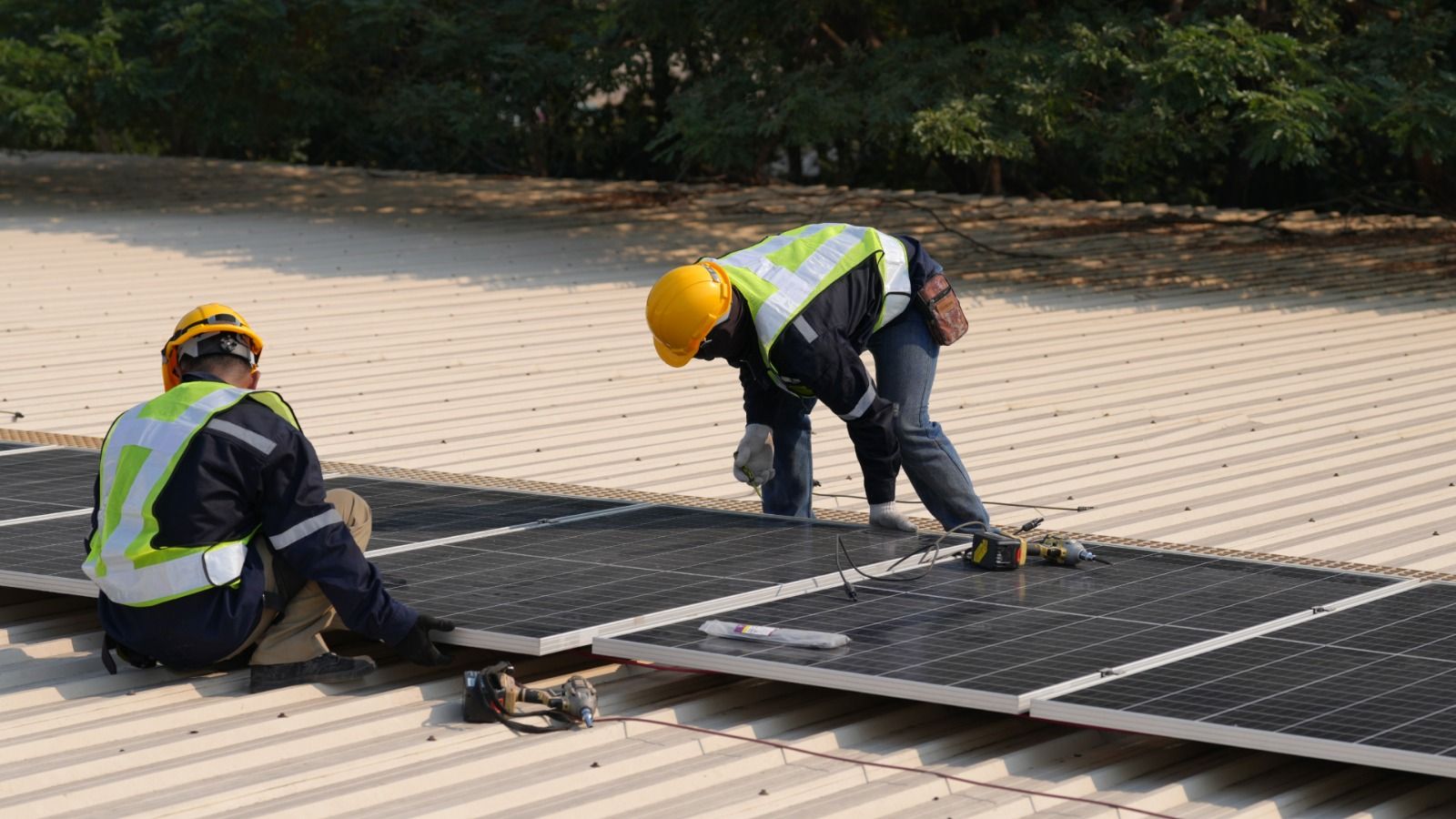
Why Solar Rooftop Installation Matters Today
Energy demand continues to rise due to population growth, urban development, and increased use of electrical devices. Traditional power systems face challenges such as transmission losses, grid congestion, and environmental impact. Solar rooftop installation addresses many of these challenges by enabling localized electricity generation.
This topic matters today because it directly affects homeowners, building managers, businesses, educational institutions, and public infrastructure planners. Rooftop solar systems contribute to energy resilience, reduce dependence on centralized grids, and support sustainability goals.
Key problems solar rooftop systems help address include:
-
Dependence on conventional energy sources
-
Power supply instability during peak demand
-
Transmission and distribution losses
-
Limited access to clean energy in dense urban areas
-
Long-term environmental impact of fossil fuels
By utilizing unused rooftop space, these systems turn buildings into active participants in energy generation rather than passive consumers.
How Solar Rooftop Systems Work
A solar rooftop system operates through the interaction of multiple components working together to generate and manage electricity.
Sunlight strikes the solar panels, where photovoltaic cells convert light into direct current (DC) electricity. An inverter then converts DC electricity into alternating current (AC), which is compatible with standard electrical systems. The generated power can be used instantly within the building, monitored through meters, or exported to the grid depending on the system configuration.
Main system components explained
-
Solar panels for capturing sunlight
-
Inverters for DC-to-AC conversion
-
Mounting structures to secure panels
-
Electrical wiring and protection devices
-
Energy meters for monitoring output
Common Types of Solar Rooftop Installations
| System Type | Description | Typical Application |
|---|---|---|
| Grid-connected | Connected to the public electricity grid | Urban residential and commercial buildings |
| Off-grid | Operates independently with energy storage | Remote or isolated locations |
| Hybrid | Combines grid connection and storage | Areas with variable grid reliability |
Each system type supports different energy-use patterns and infrastructure conditions.
Recent Updates and Trends in Solar Rooftop Installation
Over the past year, solar rooftop installation has continued to evolve due to technology improvements and policy focus. During 2024–2025, several notable trends became visible across global and Indian markets.
One key development is the increased efficiency of solar panels, allowing higher power generation from smaller rooftop areas. Modern modules now generate more electricity per square meter than earlier generations. Another visible trend is the wider adoption of smart inverters, which help improve grid stability and real-time monitoring.
Digital monitoring platforms have also gained attention, enabling system owners to track generation data, energy usage patterns, and performance metrics remotely. Additionally, simplified approval processes and digital documentation workflows have improved project transparency and implementation speed in many regions.
Growing attention toward rooftop solar in urban planning discussions reflects the broader push toward decentralized renewable energy systems.
Laws, Policies, and Regulatory Influence
Solar rooftop installation is influenced by national and regional energy policies, building regulations, and electricity grid rules. In India, rooftop solar is supported under renewable energy missions that aim to increase clean power capacity and reduce carbon emissions.
Key regulatory areas include:
-
Grid interconnection rules governing power export and import
-
Safety and electrical compliance standards
-
Net metering or energy accounting frameworks
-
Building codes related to rooftop structural suitability
-
Renewable energy targets set by government authorities
Government programs introduced in recent years encourage rooftop solar adoption through structured guidelines, simplified approval mechanisms, and standardized technical requirements. These policies aim to ensure safe installation, grid compatibility, and long-term system reliability.
Tools and Resources Related to Solar Rooftop Installation
Understanding and planning solar rooftop systems is supported by a range of digital tools and informational resources.
Helpful tools and resources include:
-
Solar potential calculators estimating rooftop energy output
-
Energy consumption analysis tools for load assessment
-
Solar irradiation maps showing regional sunlight availability
-
System monitoring dashboards for performance tracking
-
Electrical design templates for system layout planning
-
Policy portals providing regulatory and compliance information
-
Mobile apps displaying daily generation trends
These resources help users gain clarity on system feasibility, performance expectations, and operational understanding.
Practical Insights and Helpful Suggestions
Solar rooftop systems perform best when planned with attention to physical, electrical, and environmental factors. While technology plays a major role, proper design and awareness significantly influence outcomes.
Useful insights for understanding rooftop solar
-
South-facing rooftops generally receive better sunlight exposure
-
Shading from nearby structures can reduce energy output
-
Panel tilt angle affects seasonal generation patterns
-
Regular inspection helps maintain long-term efficiency
-
Weather patterns influence daily and annual output trends
-
Monitoring data helps detect performance variations early
Careful evaluation of rooftop conditions ensures that systems operate closer to their expected performance range.
Performance Factors That Influence Output
| Factor | Impact on Generation |
|---|---|
| Sunlight availability | Directly affects energy production |
| Panel orientation | Influences daily exposure duration |
| Temperature | Higher heat can slightly reduce efficiency |
| Dust accumulation | Can lower output if not addressed |
| Inverter efficiency | Affects usable power conversion |
Understanding these factors helps interpret system performance data accurately.
Frequently Asked Questions
What is solar rooftop installation?
It is the process of placing solar panels on building rooftops to generate electricity from sunlight for on-site use or grid interaction.
Does rooftop solar work during cloudy weather?
Yes, solar panels still generate electricity under diffused sunlight, though output levels are lower than on clear days.
How long do solar rooftop systems typically operate?
Solar panels are designed for long operational lifespans, with gradual efficiency reduction over time rather than sudden failure.
Is rooftop solar suitable for all buildings?
Suitability depends on roof strength, available space, sunlight exposure, and local regulations.
How is electricity usage tracked in rooftop systems?
Energy meters and digital monitoring tools record generation, consumption, and grid interaction data.
Conclusion
Solar rooftop installation represents a practical and scalable approach to expanding renewable energy use in modern society. By transforming rooftops into energy-generating assets, these systems contribute to energy resilience, sustainability goals, and decentralized power production.
Advancements in panel efficiency, digital monitoring, and supportive policy frameworks continue to strengthen the relevance of rooftop solar systems. Understanding how these systems work, what influences their performance, and how regulations shape their deployment enables informed decision-making.
As energy systems evolve, solar rooftop installations remain an important component of the broader transition toward cleaner, more reliable, and locally generated electricity.