EPS Recycling Machines and Foam Recycling Systems: Explore Recycling Methods
Expanded polystyrene, commonly known as EPS foam, is widely used for packaging, insulation, protective inserts, and other applications because it is lightweight and cushioning.
Its low density, however, creates a practical waste-management challenge. Large amounts of material can occupy considerable storage and transport space even when the actual material quantity is relatively small.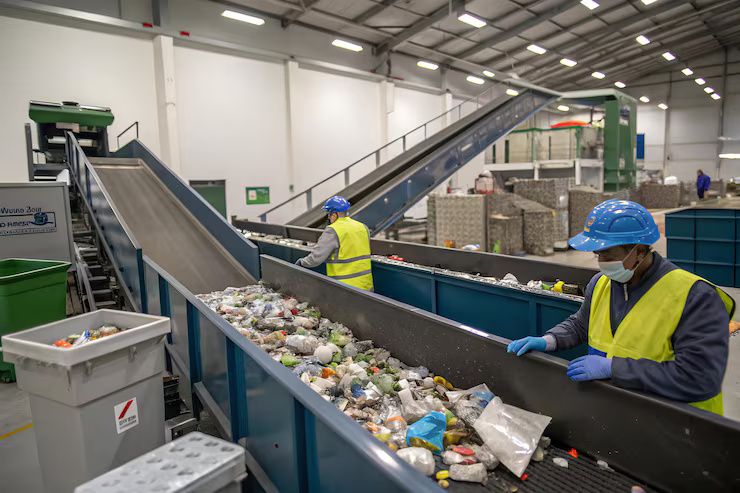
EPS recycling machines and foam recycling systems address this problem by processing discarded foam into a more compact and manageable form. Depending on the equipment and intended application, recycling can involve densification, shredding, compaction, melting, or a combination of processes designed to prepare recovered material for further use.
Understanding these systems requires more than knowing that foam can be recycled. The effectiveness of an EPS recycling process depends on the type of foam, its contamination level, the desired output, and how the recovered material will be handled afterward.
Why EPS Foam Requires Specialized Recycling Methods
EPS is primarily made from polystyrene and contains a high proportion of trapped air. This structure gives it useful insulation and cushioning properties, but it also makes discarded foam unusually bulky relative to its weight.
Traditional handling methods can therefore be inefficient when large quantities accumulate. A recycling system reduces the physical volume of foam and prepares it for storage, transportation, or further processing.
The condition of the incoming material matters considerably. Clean packaging offcuts may be processed differently from foam contaminated with food residue, adhesives, labels, dirt, or other materials. Effective recycling begins with identifying what is entering the system and separating unsuitable material before processing.
How EPS Recycling Machines Process Foam
Most EPS recycling equipment is designed around one primary objective: changing the physical form of lightweight foam so that it can be handled more efficiently.
Foam Densification
Densification is one of the most common approaches. A densifier compresses loose EPS into a much more compact form, often producing blocks, logs, or dense strands depending on the equipment configuration.
The process typically involves feeding foam into a chamber where mechanical pressure, heat, or both reduce the material's volume. Because EPS contains so much air, this transformation can dramatically increase material density without requiring the foam to be chemically converted.
Densified material is easier to store and transport than loose packaging foam, and it can also serve as an intermediate feedstock for additional recycling processes.
Shredding and Granulation
Shredders and granulators reduce EPS into smaller particles or flakes. This method is useful when foam needs to be separated, blended, or prepared for downstream processing.
The resulting material can be easier to classify and handle than large pieces of discarded foam. Particle size may also influence the next stage of processing, particularly when recycled polystyrene is being incorporated into another manufacturing stream.
Some systems combine shredding with screening to remove unwanted materials or produce a more consistent output.
Thermal Compaction
Certain foam recycling systems use controlled heat to soften EPS while simultaneously reducing its volume. Thermal compaction differs from simple mechanical compression because heat changes the physical characteristics of the polymer during processing.
Temperature control is critical. Insufficient heat may result in inconsistent compaction, while excessive temperatures can degrade the material and create unwanted emissions.
For this reason, industrial systems generally require carefully controlled operating conditions and suitable ventilation.
Selecting the Right Recycling Method
There is no single recycling method suitable for every EPS waste stream. The correct approach depends on the characteristics of the material and the intended outcome.
| Recycling Method | Primary Function | Typical Output |
|---|---|---|
| Densification | Reduce foam volume | Dense blocks or compacted material |
| Shredding | Reduce particle size | EPS flakes or pieces |
| Granulation | Produce more uniform particles | Granulated polymer |
| Thermal compaction | Compress using controlled heat | Densified polystyrene |
| Separation and screening | Improve material consistency | Sorted feedstock |
Clean, relatively uniform foam may be suitable for direct densification, while mixed or irregular material may require shredding and screening first. The process should therefore be designed around the actual waste stream rather than selected solely on equipment capacity.
Key Components of Foam Recycling Systems
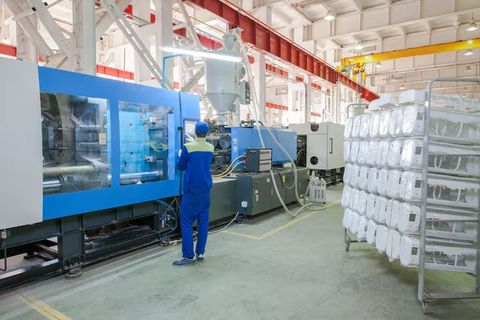
An industrial foam recycling line can include several connected stages rather than a single machine. The configuration depends on the volume and condition of incoming material.
Common components may include feed hoppers, conveyors, shredders, densifiers, compactors, cooling systems, screening equipment, and collection units.
Feed systems control how foam enters the processing equipment. Consistent feeding is important because sudden surges can reduce processing stability and increase mechanical stress.
Shredding and size-reduction equipment prepares material for subsequent stages. Densification equipment then compresses the foam into a more practical form, while screening systems can help remove unwanted particles.
A well-designed setup treats these components as an integrated workflow rather than independent pieces of equipment.
Handling Contamination and Material Separation
Contamination can significantly influence recycling performance. EPS packaging may contain tape, cardboard, labels, food residue, metal staples, adhesives, or other materials that interfere with processing.
Source separation is therefore an important part of many recycling programs. Keeping clean EPS separate from contaminated or mixed waste improves consistency and reduces the burden on processing equipment.
Some recycling systems use manual sorting, screens, magnets, air separation, or other methods to improve material purity. The appropriate technique depends on the contamination profile and required output quality.
Material identification is especially important when recycled polymer is intended for a controlled manufacturing application.
Energy and Process Efficiency Considerations
Efficiency involves more than the processing speed of a recycling machine. Electricity consumption, maintenance requirements, material losses, feed consistency, and downtime all influence the overall performance of a recycling operation.
Machines that operate at excessive temperatures may consume more energy than necessary or affect material quality. Similarly, poorly controlled feeding can create interruptions that reduce effective throughput.
Regular inspection of cutting surfaces, bearings, compression mechanisms, temperature controls, and electrical systems helps maintain stable operation. Dust management and appropriate housekeeping are also important in facilities handling large quantities of lightweight foam.
Safety Considerations for Foam Recycling
EPS recycling equipment contains moving mechanical parts, electrical systems, and, in some designs, heated processing areas. Safety measures must therefore be integrated into the equipment and operating procedures.
Guarding should protect workers from rotating and moving components, while emergency-stop mechanisms should remain accessible. Operators also need clear procedures for clearing jams and performing maintenance without exposing themselves to unexpected machine movement.
Thermal processing requires particular attention to temperature control, ventilation, and material handling. Recycling facilities should also evaluate dust accumulation and housekeeping practices because loose polymer particles and other combustible materials can create additional hazards.
Appropriate training and documented operating procedures are essential parts of a safe recycling program.
What Happens to Recycled EPS After Processing?
Processing foam into a denser or more consistent form is only one stage of recycling. The recovered material must have a suitable downstream pathway.
Densified EPS can be transported more efficiently to facilities that further process recovered polystyrene. Depending on the material quality and recycling route, processed foam may become feedstock for products such as molded plastic components, insulation materials, packaging-related applications, or other polymer products.
The potential reuse pathway depends strongly on material purity and technical requirements. Recycling systems are therefore most effective when the processing method is aligned with the requirements of the next stage.
Advantages and Limitations of EPS Recycling Systems
EPS recycling can provide practical benefits by reducing the space occupied by discarded foam and creating a more manageable material stream.
Potential advantages include:
- Significant reduction in loose foam volume
- Easier material storage and handling
- Improved transport efficiency
- Recovery of usable polystyrene feedstock
- Better organization of industrial waste streams
- Reduced reliance on disposal pathways for suitable material
However, recycling is not automatically appropriate for every foam waste stream. Severe contamination, incompatible materials, poor sorting, or lack of a suitable downstream recycling route can limit the usefulness of processing.
The best results come from treating recycling as a complete system involving collection, sorting, processing, quality control, and material recovery.
Frequently Asked Questions
What is an EPS recycling machine used for?
An EPS recycling machine is used to process expanded polystyrene foam so it becomes more compact, manageable, or suitable for further material recovery. Different machines use methods such as densification, shredding, or controlled thermal compaction.
Can all foam be processed in the same recycling system?
No. Different foam types and contamination levels may require different processing methods. EPS, extruded polystyrene, polyurethane, and other foams have different physical and chemical characteristics.
Why is EPS densification useful?
Densification reduces the volume of loose foam, making the material easier to store, handle, and transport. It can also prepare EPS for subsequent recycling or material recovery processes.
Does contamination affect EPS recycling?
Yes. Food residue, adhesives, labels, cardboard, and other contaminants can interfere with processing and reduce the quality of recovered material. Proper sorting can improve the consistency of the recycling stream.
Is shredding the same as densification?
No. Shredding reduces foam into smaller pieces, while densification primarily increases its density by removing much of the air volume. Some recycling systems use both methods as part of a larger process.
Conclusion
EPS recycling machines and foam recycling systems provide specialized methods for handling a waste material whose low density makes conventional storage and transportation difficult. Densification, shredding, granulation, thermal compaction, and material separation each serve different purposes within the recycling process.
The most effective approach depends on the condition of the foam, the desired output, the required material quality, and the downstream recycling pathway. When collection, sorting, equipment selection, safety, and material recovery are planned as one integrated process, EPS recycling can turn bulky foam waste into a more practical and recoverable resource.

Related Post...

Heavy Mining Excavators: Discover Essential Safety Inspection Steps
Updated: August 26, 2026
Read More
Structural Engineering Requirements: A Guide to Large-Scale Material Haulers
Updated: August 26, 2026
Read More
Industrial Machinery Guide To Choosing Equipment For Manufacturing Needs
Updated: September 04, 2026
Read More