Hydraulic vs Electric Crawler Bulldozers: Explore Power Differences
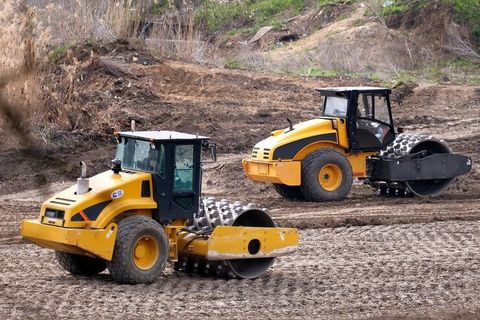
Crawler bulldozers are built for demanding earthmoving work, where pushing force, traction, control, and durability directly affect productivity.
Hydraulic and electric crawler bulldozers approach these requirements differently, making the distinction between their power systems important when evaluating modern construction equipment.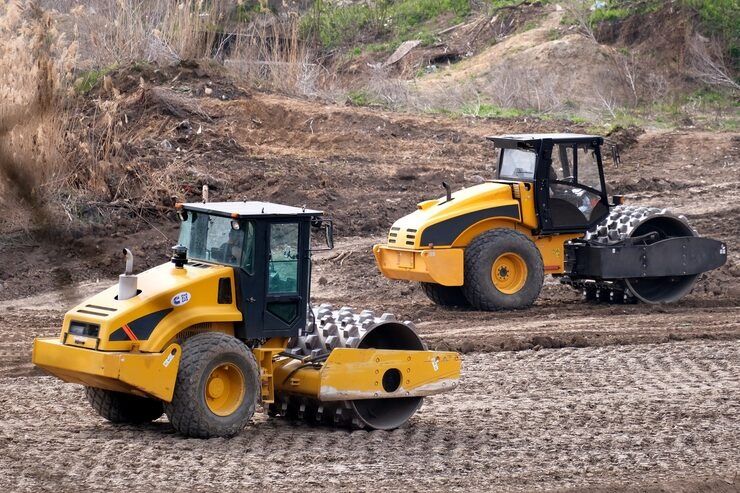
Traditional hydraulic systems remain widely associated with heavy-duty crawler bulldozers because hydraulic circuits can deliver substantial force through cylinders, motors, and pumps. Electric systems, meanwhile, are gaining attention as manufacturers develop equipment that uses electric motors, battery systems, and electronically controlled drivetrains.
Understanding the differences requires more than comparing engine output or motor ratings. Power delivery, torque characteristics, operating conditions, energy management, maintenance requirements, and machine control all influence how each technology performs in practical applications.
How Power Is Delivered in Crawler Bulldozers
A hydraulic crawler bulldozer typically uses an internal combustion engine to drive hydraulic pumps. These pumps pressurize hydraulic fluid, which then transfers energy to components such as blade cylinders, steering mechanisms, and drive systems.
The hydraulic circuit allows the machine to convert engine power into controlled mechanical movement. Operators can adjust blade position and pushing force through hydraulic controls, making the system well suited to grading, excavation, site preparation, and material spreading.
Electric crawler bulldozers use electric motors to convert electrical energy directly into mechanical motion. Depending on the design, electricity may come from batteries, an onboard generator, or another electrical power source.
Electric motors can produce high torque from low rotational speeds. This characteristic is particularly relevant to crawler equipment because strong low-speed torque can support controlled movement and demanding pushing operations without relying on the same mechanical arrangement used by conventional powertrains.
Hydraulic Power: Strength, Proven Performance, and Flexibility
Hydraulic technology has a long history in construction machinery. Its major advantage is the ability to transmit high forces through relatively compact hydraulic cylinders and motors.
A bulldozer blade can encounter substantial resistance when moving dense soil, gravel, rock fragments, or compacted material. Hydraulic cylinders can respond to these loads while allowing precise control over blade lift, tilt, and angle.
Hydraulic systems also provide flexibility across different machine functions. A single engine can support multiple hydraulic circuits, allowing coordinated operation of the blade, steering system, and other attachments.
However, hydraulic systems involve pumps, valves, hoses, seals, filters, and fluid. These components require appropriate maintenance, and hydraulic efficiency can be affected by fluid temperature, pressure losses, leakage, and component wear.
Electric Power: Torque and Control Characteristics
Electric drivetrains introduce a different approach to power delivery. Electric motors can deliver substantial torque at low speeds, which can be useful when a crawler bulldozer begins pushing against heavy resistance.
Electronic control also allows precise adjustment of motor output. Instead of relying entirely on mechanical transmission characteristics, software and power electronics can regulate torque and speed according to operating requirements.
Another characteristic is the potential reduction in mechanical complexity within the drivetrain. An electric motor has fewer moving parts than a conventional combustion engine, although the overall machine still contains complex electrical, hydraulic, thermal, and control systems.
The main engineering challenge is energy storage. Battery-powered machines must balance available energy, operating duration, machine weight, charging requirements, and workload. Heavy-duty earthmoving can place significant demands on an energy system.
Comparing Power Characteristics
The practical difference between hydraulic and electric bulldozers becomes clearer when several characteristics are considered together.
| Characteristic | Hydraulic Bulldozer | Electric Bulldozer |
|---|---|---|
| Primary power source | Combustion engine and hydraulic system | Battery or electrical power system |
| Torque delivery | Engine-driven through hydraulic and mechanical systems | High motor torque at low speed |
| Blade actuation | Hydraulic cylinders | Commonly hydraulic or electro-hydraulic systems |
| Energy management | Fuel and engine efficiency | Battery capacity and electrical efficiency |
| Control | Hydraulic and electronic controls | Highly electronic control architecture |
| Operating duration | Generally suited to extended refueling cycles | Dependent on battery capacity and charging |
| Maintenance focus | Engine, fluids, hydraulics, drivetrain | Electrical systems, battery, cooling, and remaining hydraulics |
This comparison shows why there is no single power metric that determines which architecture is superior. The appropriate system depends on how the bulldozer will be operated and the demands placed on it.
Where Operating Conditions Make a Difference
A bulldozer working continuously on a large earthmoving project may have different requirements from one operating on a controlled urban construction site.
Long operating cycles place significant demands on energy availability. Hydraulic machines can typically continue operating through established refueling infrastructure, while battery-electric machines require sufficient charge capacity and appropriate charging arrangements.
Urban projects can create a different set of priorities. Lower operating noise and the absence of direct exhaust emissions can make electric equipment particularly relevant in environments where noise and local air quality are significant considerations.
Temperature can also affect both technologies. Hydraulic fluid viscosity changes with temperature, while batteries and electronic components require thermal management to maintain appropriate operating conditions.
Efficiency and Power Management
Efficiency is not simply a matter of how much power the machine produces. It also depends on how effectively that power reaches the tracks and work equipment.
Hydraulic systems experience energy losses as fluid moves through pumps, valves, lines, and actuators. Modern hydraulic systems use variable-displacement pumps, electronic controls, and load-sensing technologies to reduce unnecessary energy consumption.
Electric systems can provide efficient energy conversion between the electrical source and motor. Regenerative functions may also recover energy during certain operating conditions, although the practical benefit depends heavily on machine architecture and duty cycle.
For this reason, comparing machines based solely on rated horsepower can produce misleading conclusions. Duty cycle, traction, implement efficiency, and control strategy all influence real-world performance.
Maintenance and System Complexity
Hydraulic bulldozers require attention to both mechanical and hydraulic components. Regular inspection of hoses, fittings, fluid condition, filters, seals, pumps, and cylinders helps maintain system performance.
Electric machines shift some maintenance requirements toward batteries, high-voltage components, motors, inverters, sensors, cooling systems, and electronic controls. This does not eliminate maintenance; it changes the type of expertise required.
Technicians working on electric construction equipment may require specialized training in electrical diagnostics and high-voltage safety. Hydraulic expertise remains relevant because many electric machines still use hydraulic systems for blade or implement functions.
Choosing the Appropriate Power Architecture
The right technology depends on the intended operating environment rather than the power source alone. Contractors and fleet managers should consider the machine's duty cycle, terrain, expected workload, charging or refueling infrastructure, climate, maintenance capabilities, and operational priorities.
Hydraulic crawler bulldozers remain highly practical where extended heavy-duty operation, established infrastructure, and proven hydraulic performance are priorities. Electric crawler bulldozers can become increasingly attractive where lower local emissions, reduced noise, precise electronic control, and electrification infrastructure align with project requirements.
Technology selection should therefore begin with the work application. A machine that matches the actual duty cycle can deliver more useful productivity than one selected simply because its power system appears more advanced.
The Direction of Crawler Bulldozer Technology
Crawler bulldozers are moving toward increasingly integrated power and control architectures. Manufacturers are combining hydraulic efficiency improvements, electronic controls, telematics, automation, and alternative power systems to improve machine performance.
Electric propulsion is one part of this broader development. It does not necessarily replace hydraulic technology entirely, because hydraulic actuation remains effective for high-force implement functions. Hybrid architectures can combine electric drive components with hydraulic systems where each technology performs the task for which it is best suited.
As these systems develop, the distinction between hydraulic and electric equipment may become less about choosing one technology exclusively and more about integrating power, control, and implement systems efficiently.
Conclusion
Hydraulic and electric crawler bulldozers use different approaches to convert energy into useful earthmoving power. Hydraulic systems provide established high-force performance and flexibility, while electric systems offer strong low-speed torque, precise electronic control, and opportunities for improved energy efficiency.
The meaningful comparison is therefore not simply hydraulic versus electric. Machine duty cycle, terrain, operating duration, energy infrastructure, maintenance capabilities, and required control characteristics all influence the practical choice. Understanding these factors provides a clearer basis for evaluating crawler bulldozers as construction equipment continues to evolve.

Related Post...
Injection Molding Machines: Explore How Plastic Manufacturing Works
Updated: September 04, 2026
Read More
Commercial Construction Cranes: Explore Maintenance for Longer Lifespans
Updated: August 26, 2026
Read More
Industrial Optical Quality Inspection Automation: How Automated Defect Detection Works
Updated: October 02, 2026
Read More