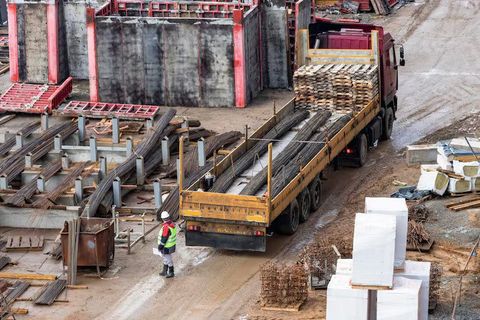
Commercial Construction Cranes: Explore Maintenance for Longer Lifespans
Commercial construction cranes operate under demanding conditions, lifting heavy materials repeatedly across complex job sites.
Their reliability depends not only on engineering and operating practices but also on consistent maintenance that keeps structural, mechanical, hydraulic, and electrical systems functioning as intended.
As construction projects become larger and schedules become more demanding, crane maintenance has become an important part of equipment management. Regular inspections can identify developing issues before they affect operations, while proper servicing helps preserve critical components exposed to heavy loads, vibration, weather, and continuous movement.
Understanding how commercial construction cranes should be maintained gives project managers, equipment operators, and maintenance teams a clearer framework for protecting equipment performance. The most effective approach combines routine inspections, preventive maintenance, component monitoring, documentation, and adherence to manufacturer and applicable regulatory requirements.
Why Maintenance Matters for Commercial Construction Cranes
Cranes experience significant mechanical and structural stress during normal operation. Repeated lifting cycles place demands on wire ropes, brakes, gears, bearings, hydraulic systems, structural connections, and load-handling components.
Small defects can become more serious when they remain unnoticed. A worn wire rope, deteriorating connection, leaking hydraulic line, or malfunctioning limit device may affect safe operation and eventually require more extensive corrective work.
Maintenance also supports operational reliability. When equipment is inspected and serviced systematically, maintenance teams can identify component deterioration earlier and plan interventions around project requirements rather than responding only after an unexpected failure.
Establishing a Preventive Maintenance Program
A preventive maintenance program provides a structured way to manage crane condition. Instead of waiting for a component to fail, maintenance personnel follow defined inspection and servicing intervals based on manufacturer recommendations, operating conditions, usage, and applicable requirements.
The maintenance schedule should distinguish between routine operator checks, periodic inspections, and more detailed examinations performed by qualified personnel. Each level has a different purpose and should be documented appropriately.
Maintenance intervals may also need adjustment when cranes operate in demanding environments. Excessive dust, corrosive conditions, extreme temperatures, frequent lifting cycles, or unusually heavy workloads can accelerate component deterioration.
Inspecting Critical Crane Components
A crane inspection should consider the equipment as an integrated system rather than focusing on a single visible component. Structural condition, mechanical systems, electrical controls, lifting equipment, and safety devices all contribute to reliable operation.
Structural and Mechanical Components
Structural members, bolts, welds, pins, connections, and attachment points should be examined for visible damage, deformation, cracking, corrosion, or unusual wear. Changes in alignment or movement can sometimes indicate developing mechanical or structural problems.
Mechanical systems require similar attention. Gears, bearings, shafts, brakes, drums, sheaves, and drive mechanisms should be inspected according to the applicable maintenance schedule. Lubrication is particularly important because inadequate lubrication can increase friction, heat, and component wear.
Wire Ropes and Load Handling Equipment
Wire ropes receive repeated bending and tension during crane operation, making their condition especially important. Inspection should look for broken wires, corrosion, kinking, crushing, birdcaging, diameter reduction, and other signs of deterioration.
Hooks, blocks, shackles, slings, and related lifting accessories should also be examined for deformation, cracks, excessive wear, or other defects. Components that no longer meet applicable inspection criteria should be removed from service according to established procedures.
Hydraulic and Electrical System Maintenance
Hydraulic systems are common on many types of construction equipment and require careful attention to hoses, fittings, cylinders, valves, pumps, and fluid condition. Leaks can indicate damaged seals, loose connections, deteriorated hoses, or component problems that require investigation.
Electrical systems also deserve systematic inspection. Controls, wiring, connectors, switches, sensors, emergency systems, and protective devices should be checked for damage or abnormal behavior. Moisture, contamination, vibration, and repeated movement can contribute to electrical deterioration over time.
Modern cranes may incorporate electronic monitoring and diagnostic systems that provide additional information about equipment condition. These systems can support maintenance decisions, but they should complement physical inspections rather than replace them.
Lubrication and Component Care
Proper lubrication reduces friction between moving parts and helps control heat and wear. However, lubrication should follow the crane manufacturer's specifications because different components require specific lubricants, quantities, and application intervals.
Over-lubrication can be problematic as well. Excess lubricant may attract dust or interfere with seals and other components. Maintenance personnel should therefore follow documented procedures rather than applying lubricant simply because a component appears dry.
Cleaning is another practical maintenance activity. Removing accumulated dirt, debris, and contaminants can make defects easier to identify while helping prevent abrasive materials from entering sensitive mechanical or hydraulic areas.
Monitoring Wear Before It Becomes a Failure
Effective maintenance is not limited to scheduled servicing. Condition monitoring can help teams recognize changes in equipment behavior between formal inspections.
Unusual vibration, noise, movement, temperature, braking behavior, hydraulic performance, or control response may indicate developing problems. Operators are often among the first people to notice these changes because they interact with the equipment during daily operations.
A strong reporting process allows operators to communicate abnormalities quickly. Maintenance personnel can then evaluate the issue and determine whether continued operation is appropriate or whether further inspection is required.
Documentation and Maintenance Records
Accurate maintenance records provide an important history of crane condition. Inspection dates, identified defects, corrective actions, replaced components, lubrication activities, and relevant testing should be recorded according to organizational and regulatory requirements.
Good documentation helps maintenance teams identify recurring problems and recognize patterns of component wear. It also provides useful information when planning future inspections or evaluating whether maintenance intervals remain appropriate.
Records should be clear enough that another qualified person can understand what was inspected, what was found, and what action was taken. Inconsistent documentation can make otherwise effective maintenance programs difficult to manage.
Training and Operator Involvement
Maintenance quality depends partly on the people responsible for inspecting and operating the crane. Operators should understand the equipment's normal behavior and know how to identify conditions that require attention.
Qualified maintenance personnel need appropriate knowledge of the crane's mechanical, electrical, hydraulic, and structural systems. They should also understand the manufacturer's instructions and applicable workplace requirements.
Training should not be treated as a one-time activity. Changes in equipment, procedures, technology, and regulatory expectations can create new requirements that personnel need to understand.
Maintenance Practices That Support Longer Equipment Life
Several principles help create a more effective crane maintenance program. First, inspections should be performed consistently rather than postponed because equipment appears to be functioning normally. Visible operation does not necessarily indicate that hidden components remain in good condition.
Second, defects should be evaluated promptly. Continuing to operate equipment with a known problem can allow deterioration to progress and may increase the complexity of subsequent corrective work.
Third, maintenance activities should be based on actual operating conditions. A crane used intensively on a demanding construction site may require closer attention than equipment operating under lighter conditions.
Finally, maintenance teams should treat manufacturer guidance and applicable standards as foundational references. These documents establish equipment-specific requirements that generic maintenance routines cannot fully replace.
Conclusion
Commercial construction cranes depend on coordinated maintenance to remain reliable throughout demanding operating cycles. Structural inspections, wire rope monitoring, mechanical servicing, hydraulic and electrical checks, lubrication, condition monitoring, and accurate documentation all contribute to effective equipment management.
A well-organized maintenance program does more than respond to failures. It creates a systematic process for identifying deterioration early, supporting safer operations, and preserving the functional condition of critical crane components. When maintenance is integrated into everyday construction planning, equipment can remain dependable while unnecessary operational disruptions are reduced.

Related Post...
Industrial Spare Parts Guide to Bearings, Belts and Machine Components
Updated: September 15, 2026
Read More
Industrial Optical Quality Inspection Automation: How Automated Defect Detection Works
Updated: October 02, 2026
Read More
Injection Molding Machines: Explore How Plastic Manufacturing Works
Updated: September 04, 2026
Read More