EPS Recycling Machines and Foam Recycling Systems: Explore Recycling Basics
EPS waste can accumulate quickly in packaging, construction, insulation, and manufacturing environments.
Because expanded polystyrene is lightweight and bulky, transporting or storing it in its original form can require significant space. EPS recycling machines address this challenge by processing discarded foam into a more compact and manageable material stream.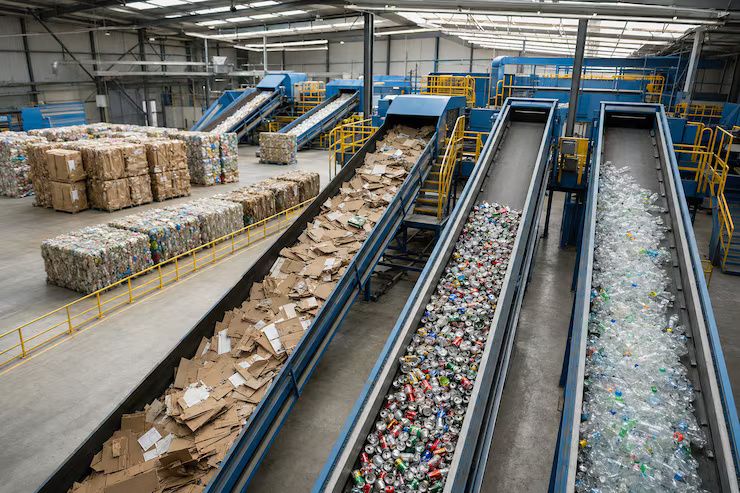
Foam recycling systems are increasingly relevant as organizations look for practical ways to handle polystyrene waste and improve material recovery. Instead of treating used foam as ordinary waste, specialized equipment can reduce its volume and prepare it for further processing or reuse in appropriate applications.
Understanding how EPS recycling machines work provides a useful foundation for evaluating recycling workflows, equipment capabilities, processing methods, and operational considerations. The right approach depends on the type of foam, the condition of the material, the required output, and how the recovered material will be handled afterward.
Why EPS Requires Specialized Recycling Methods
Expanded polystyrene is made by expanding polystyrene beads into a lightweight cellular structure. This gives the material useful insulating and protective properties, but it also means that a large amount of physical space can be occupied by relatively little actual polymer.
That characteristic creates a logistics challenge. Loose foam can fill collection containers quickly, while its low bulk density makes transportation less efficient than denser materials.
EPS recycling systems address this problem primarily by changing the physical form of the waste. Depending on the equipment, foam can be compacted, shredded, densified, or otherwise processed into a more concentrated material stream.
The objective is not simply to reduce waste volume. Proper processing can also make recovered EPS easier to store, transport, sort, and introduce into subsequent recycling operations.
How EPS Recycling Machines Process Foam
The exact workflow varies by machine design and the condition of the material, but most systems follow a straightforward sequence.
Foam first enters a feed area where operators or automated equipment introduce the material into the processing chamber. The system then applies mechanical force to reduce the material's volume or alter its physical structure.
Different machines use different mechanisms. Some compress EPS directly, while others shred or grind the foam before a densification stage. Certain systems combine several processes to create a more uniform output.
The processed material can then be collected for storage, transportation, or further recycling. The final form may vary from compacted blocks to loose shredded material or other densified formats.
Main Types of Foam Recycling Equipment
Not every foam recycling machine performs the same function. Equipment selection should reflect the material being processed and the intended workflow.
EPS Compactors
Compactors primarily reduce the volume of loose expanded polystyrene. They apply controlled pressure to compress foam into a significantly denser form.
This type of equipment is useful where the main challenge is storage and transportation. By increasing material density, compactors can make collection areas easier to manage and reduce the physical space required for accumulated foam.
Foam Densifiers
Densifiers take volume reduction a step further by producing a more concentrated output. The foam may be mechanically compressed, heated, or processed through a combination of methods depending on the system design.
A densified output is easier to handle than loose EPS and can be more suitable for transportation to facilities where additional material processing takes place.
Foam Shredders and Granulators
Shredding systems break larger pieces of foam into smaller fragments. Granulation can create a more consistent particle size for specific downstream processes.
These machines can be useful when foam needs to be prepared for subsequent separation, blending, or recycling stages. However, shredding by itself does not necessarily provide the same level of volume reduction as densification.
Understanding the Recycling Workflow
A practical EPS recycling system usually involves more than one piece of equipment. The workflow begins with collection and sorting, followed by preparation and processing.
Contaminated or mixed materials may need to be separated before processing. Labels, adhesive materials, food residue, other plastics, and foreign objects can affect the quality of the recovered material or interfere with machinery.
After sorting, foam is fed into the appropriate recycling equipment. Once densified or otherwise processed, the material can be stored in a more compact form and directed toward a suitable recycling pathway.
A well-organized workflow therefore considers the entire material journey rather than focusing only on the recycling machine itself.
Factors That Influence Machine Selection
Several operational factors affect which EPS recycling system is appropriate for a particular environment.
The first is the type and condition of the foam. Clean packaging foam may require a different workflow from construction-related insulation materials that contain adhesives, coatings, or other contaminants.
Throughput is another consideration. Facilities generating small quantities of foam may have different equipment requirements from large production environments processing material continuously.
Space, electrical requirements, feed configuration, maintenance access, and operator involvement also influence suitability.
Key considerations commonly include:
- Material type and contamination level
- Volume of foam generated
- Required processing throughput
- Available floor space
- Desired output format
- Storage and handling methods
- Maintenance requirements
- Integration with existing recycling operations
Selecting equipment according to the actual material stream helps avoid unnecessary complexity.
The Importance of Material Preparation
Good recycling results depend heavily on what enters the machine. Foam containing excessive dirt, moisture, metal, paper, or other materials can complicate processing and reduce the consistency of the recovered stream.
Source separation is therefore an important part of the workflow. Keeping EPS separate from incompatible waste makes processing more predictable and can improve the quality of material delivered to subsequent recycling stages.
In manufacturing and commercial environments, clearly defined collection procedures can make this separation easier. Employees or operators can place foam into designated containers rather than mixing it with general waste.
Energy, Heat, and Equipment Design
Some foam recycling systems rely primarily on mechanical compression, while others use heat to reduce the volume of EPS. Heat-assisted densification can soften the polymer and create a more compact output.
The choice of process affects equipment design, energy use, ventilation requirements, and operating procedures. Systems using heat require appropriate controls and safeguards to manage the processing environment.
Mechanical systems may have different operational considerations, particularly around moving parts, material flow, and routine maintenance.
Understanding the underlying processing method helps operators evaluate whether a system fits their facility and existing infrastructure.
Maintenance and Operational Reliability
Like other industrial equipment, EPS recycling machines require regular attention to maintain consistent performance. Material buildup, worn components, blocked feed areas, and improper settings can affect processing efficiency.
Routine maintenance may involve inspection of moving components, cleaning processing areas, checking electrical systems, and following manufacturer-specific maintenance procedures.
Operators should also understand safe feeding practices and appropriate material limits. Consistent operating procedures help reduce avoidable interruptions and protect equipment from unsuitable inputs.
Environmental Role of Foam Recycling Systems
The environmental value of foam recycling comes partly from changing how discarded material is handled. Reducing the volume of EPS can improve the efficiency of collection and transportation while making material recovery more practical.
Recovered polystyrene can potentially enter additional processing pathways rather than remaining in a low-density waste stream. The exact outcome depends on contamination, material quality, local recycling infrastructure, and the capabilities of downstream facilities.
Recycling should therefore be viewed as part of a broader materials-management strategy that includes prevention, collection, sorting, processing, and responsible end use.
Frequently Asked Questions
What is an EPS recycling machine?
An EPS recycling machine is equipment designed to process expanded polystyrene waste by reducing its volume, changing its physical form, or preparing it for further material recovery.
How does a foam densifier work?
A foam densifier increases the density of expanded polystyrene through controlled processing. Depending on the system, this may involve mechanical compression, heat-assisted processing, or both.
Can all types of foam be processed in the same machine?
No. Different foam materials can have different chemical and physical properties. Equipment should be selected according to the specific material stream, contamination level, and required processing method.
Why is EPS compaction useful?
Loose EPS occupies a large amount of space relative to its weight. Compaction reduces its volume, making collection, storage, and transportation more manageable.
Does shredding EPS mean it has been fully recycled?
Not necessarily. Shredding changes the physical form of the material but may only represent one preparation stage. Additional densification or downstream processing may be required before the material enters another recycling application.
Conclusion
EPS recycling machines and foam recycling systems provide practical methods for managing expanded polystyrene waste more efficiently. By compacting, densifying, shredding, or otherwise preparing foam, these systems can reduce material volume and support more organized recycling workflows.
The most effective approach depends on the characteristics of the foam, contamination levels, processing volume, available infrastructure, and intended output. When equipment selection is matched with proper sorting, preparation, operation, and maintenance, EPS recycling can become a more structured part of modern waste and materials management.

Related Post...
Automated CNC Milling Machine Suppliers: Insights Into Equipment Selection
Updated: October 02, 2026
Read More
EPS Recycling Machines and Foam Recycling Systems: Explore Recycling Basics
Updated: September 08, 2026
Read More
Automated Optical Inspection Machines: Insights Into Automated Quality Control
Updated: October 02, 2026
Read More