Construction Materials Tips: Learn How Different Materials Support Structural Strength and Safety
Construction materials play an important role in creating safe, durable, and reliable buildings. Every structure depends on carefully selected materials such as concrete, steel, bricks, timber, glass, and stone.
Understanding their properties helps architects, engineers, builders, and property owners make informed decisions during construction.
Different materials contribute to structural strength, stability, insulation, fire resistance, and weather protection. Learning about construction materials tips also helps people understand how material quality, correct installation, and regular inspections influence the long-term performance of buildings.
Context
Construction materials are the physical substances used to build residential buildings, commercial properties, bridges, roads, industrial facilities, and other infrastructure. Each material has different physical and mechanical properties that determine how it performs under pressure, temperature changes, moisture, and environmental conditions.
The selection of construction materials depends on the building design, structural requirements, geographical conditions, environmental factors, and applicable building regulations.
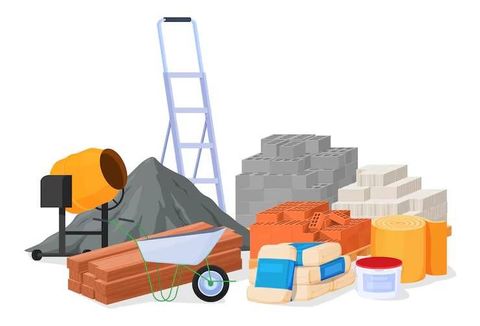
Some commonly used construction materials include:
Concrete: A mixture of cement, water, sand, and aggregates used in foundations, columns, beams, and slabs.
Steel: A strong material commonly used for reinforcement, structural frames, and connections.
Bricks: Manufactured masonry units used in walls, partitions, and other building elements.
Timber: A natural material used in structural framing, flooring, doors, and roof components.
Stone: A durable natural material used in foundations, walls, flooring, and exterior finishes.
Glass: Used in windows, doors, partitions, and building facades.
The purpose of understanding these materials is to identify their strengths, limitations, and appropriate applications. Proper material selection supports structural performance and helps reduce problems associated with premature deterioration.
Importance
Construction material selection directly affects the safety, durability, and functionality of a structure. Materials must withstand different forces, including compression, tension, bending, vibration, and environmental pressure.
For example, concrete performs well under compression, while steel provides tensile strength and flexibility. When engineers combine these materials appropriately, reinforced concrete structures can withstand different structural loads.
Material quality also affects building occupants. Poor-quality materials or incorrect installation can contribute to cracks, water leakage, corrosion, excessive movement, and structural damage.
Several factors explain why construction materials are important:
Structural strength: Suitable materials help buildings withstand expected loads and forces.
Building safety: Proper material specifications reduce risks associated with structural failure.
Durability: Weather-resistant and appropriately protected materials can improve building lifespan.
Energy efficiency: Insulation materials help regulate indoor temperatures and reduce heat transfer.
Fire protection: Suitable fire-resistant materials can improve building safety.
Environmental performance: Recycled and responsibly sourced materials can reduce environmental impacts.
Architects, civil engineers, structural engineers, contractors, building inspectors, and property owners all benefit from understanding construction material properties.
Recent Updates
The construction industry is experiencing changes in material technology, manufacturing processes, and environmental practices. Modern construction increasingly focuses on reducing environmental impacts while maintaining structural performance and occupant safety.
Some important developments include:
1. Sustainable construction materials
Manufacturers and researchers are exploring materials that reduce dependence on conventional raw materials. Examples include:
Fly ash-based cement and blended cement.
Recycled aggregates from processed construction waste.
Recycled steel and other recovered materials.
Bamboo and engineered timber for suitable building applications.
Geopolymer concrete and other alternative binder technologies.
These materials require appropriate testing to confirm their suitability for particular structural applications.
2. Prefabricated construction
Prefabricated concrete panels, steel frames, and modular building components are manufactured before being transported to construction sites. This approach can improve production consistency and reduce on-site construction activities.
However, connections, lifting arrangements, transportation, and installation must be properly designed.
3. Advanced material testing
Digital monitoring systems, laboratory testing, and structural inspection technologies are helping engineers evaluate material performance. Sensors can monitor factors such as temperature, moisture, vibration, and structural movement.
4. Energy-efficient materials
Insulated wall panels, reflective roofing, efficient glazing, and improved building-envelope materials help control indoor temperatures. Their selection depends on the local climate and building design.
The National Building Code of India also recognizes alternative construction technologies, disaster-resistant design, sustainability, and improved construction practices.
Laws or Policies
Construction materials and structural safety are governed by building regulations, technical standards, and quality requirements. In India, the Bureau of Indian Standards (BIS) publishes technical standards that guide material specifications, testing, and construction practices.
The following regulations and standards are particularly relevant.
1. National Building Code of India 2016
The National Building Code (NBC) 2016 provides guidelines covering building planning, structural design, fire safety, construction materials, and building maintenance.
It serves as a model code that state and local authorities can adopt through their building regulations.
2. Indian Standards for construction materials
Several Indian Standards address the performance and use of construction materials.
Standard | Main application |
|---|---|
IS 456 | Plain and reinforced concrete |
IS 800 | General steel construction |
IS 1786 | High-strength reinforcement bars |
IS 383 | Concrete aggregates |
IS 1905 | Structural safety of masonry walls |
IS 875 | Design loads for buildings |
Engineers should check the latest applicable revisions and project requirements before using these standards.
3. BIS quality requirements
BIS certification and applicable Quality Control Orders help establish quality requirements for specified construction products.
For example, government information published in July 2025 clarified requirements concerning BIS-compliant intermediate materials used in steel product manufacturing.
4. Energy Conservation Building Code
The Energy Conservation Building Code (ECBC) 2017 provides energy-performance requirements for applicable commercial buildings. It considers building envelopes, lighting, electrical systems, and heating and cooling equipment.
Its applicability depends on building characteristics and the relevant state or local implementation.
Building owners and construction professionals should also check local building bye-laws, fire safety provisions, structural design requirements, and applicable environmental regulations before starting construction.
Tools and Resources
Reliable technical information and appropriate testing tools help construction professionals understand material characteristics and maintain structural safety.
Useful resources include:
Bureau of Indian Standards (BIS): Provides Indian Standards, product specifications, and information about certification requirements.
National Building Code: Helps professionals understand building planning, structural safety, and construction guidelines.
Bureau of Energy Efficiency (BEE): Provides information about energy-efficient building design and ECBC requirements.
Structural design software: Programs such as ETABS, STAAD.Pro, and SAP2000 support structural analysis and engineering calculations.
Material testing laboratories: Help evaluate concrete strength, steel properties, aggregate quality, and other material characteristics.
Common construction testing methods include:
Concrete compressive strength testing.
Slump testing for fresh concrete.
Steel tensile strength testing.
Brick water absorption testing.
Aggregate grading and sieve analysis.
Soil bearing capacity investigations.
A practical material inspection checklist should include:
Verify material specifications and applicable standards.
Examine packaging, markings, and identification.
Check storage conditions and moisture exposure.
Review laboratory test reports.
Inspect materials before installation.
Maintain records of inspections and test results.
These practices help identify unsuitable materials before they become part of a permanent structure.
FAQs
1. What are the most commonly used construction materials?
Concrete, steel, bricks, timber, stone, glass, cement, and aggregates are commonly used. Their applications depend on structural requirements and building design.
2. How does concrete support structural strength?
Concrete provides high compressive strength and is widely used in foundations, beams, columns, and slabs. Reinforcement can improve its ability to resist tensile forces.
3. Why is steel important in building construction?
Steel provides tensile strength, structural stability, and flexibility. It is commonly used in reinforcement bars, structural frames, beams, columns, and connections.
4. How can construction materials improve building safety?
Appropriate material selection, quality testing, correct installation, and compliance with engineering standards help buildings withstand expected structural loads and environmental conditions.
5. What are sustainable construction materials?
Sustainable construction materials include recycled aggregates, fly ash-based cement, responsibly sourced timber, bamboo, and certain alternative concrete materials. Their environmental performance depends on manufacturing, transportation, durability, and eventual disposal.
Conclusion
Construction materials are essential for structural strength, building safety, durability, and energy efficiency. Understanding their properties helps engineers and construction professionals select appropriate materials for different building applications.
Material quality, structural design, testing, and compliance with applicable regulations should remain important considerations throughout construction.
Modern developments such as prefabricated components, recycled materials, and improved insulation technologies are expanding construction possibilities. However, every material must be evaluated according to its intended application and technical requirements.
Learning about construction materials tips provides useful knowledge for understanding how buildings are designed, constructed, maintained, and protected over time.

Related Post...

Automotive Parts Information Guide: Understanding Vehicle Technology
Updated: July 22, 2026
Read More
Construction Materials Tips: Learn How Different Materials Support Structural Strength and Safety
Updated: October 30, 2026
Read More