Fasteners Guide: Explore Types, Uses and Essential Information
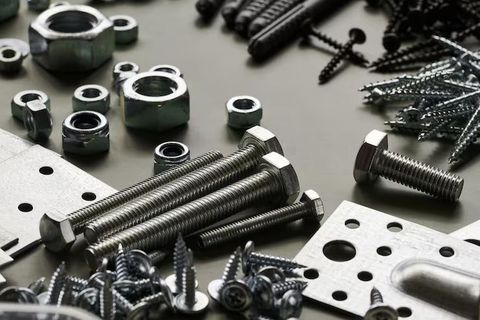
Fasteners are essential mechanical components used to connect two or more parts together in a secure and reliable way. They are found in almost every industry, from construction and manufacturing to transportation, electronics, furniture, and household products.
Understanding different fastener types helps people choose the right component for specific applications while supporting safety, durability, and efficient assembly.
This Fasteners Guide explains the basics of fasteners, their common types, practical uses, recent developments, and important regulations. Whether you are a student, engineer, technician, or simply interested in learning about fastening systems, this guide provides clear and practical information using simple language.
Context
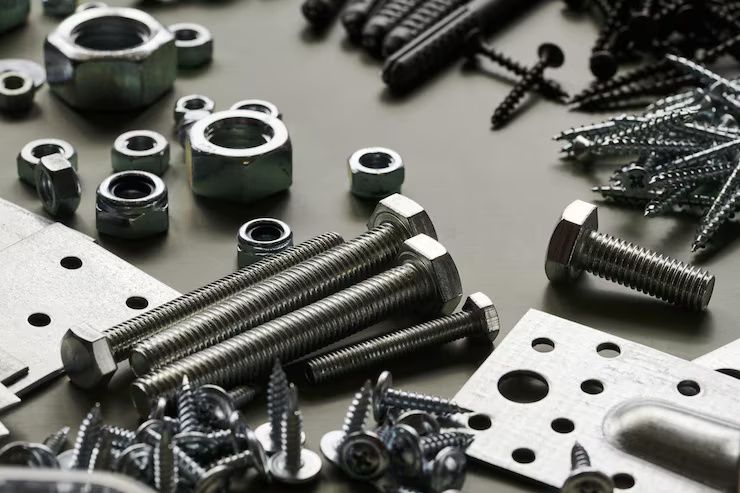
Fasteners are hardware components designed to join materials either permanently or temporarily. They are commonly made from steel, stainless steel, brass, aluminum, titanium, and engineered plastics. Depending on the application, they may provide permanent strength or allow easy disassembly for maintenance and repairs.
The history of fasteners dates back thousands of years, with simple wooden pegs and metal rivets evolving into precision-engineered bolts, screws, nuts, washers, and anchors used today. Modern manufacturing has significantly improved fastener quality, allowing them to perform under demanding conditions such as high temperatures, vibration, heavy loads, and corrosive environments.
Common Types of Fasteners
| Fastener Type | Primary Purpose | Typical Applications |
|---|---|---|
| Bolt | Connects components using a nut | Construction, machinery |
| Screw | Joins materials directly | Woodworking, electronics |
| Nut | Secures bolts | Industrial equipment |
| Washer | Distributes load and reduces wear | Mechanical assemblies |
| Rivet | Creates permanent joints | Aircraft, bridges |
| Anchor | Secures objects into concrete or masonry | Buildings, infrastructure |
| Pin | Aligns or locks components | Industrial machinery |
| Stud | Provides threaded connection on both ends | Engines and heavy equipment |
Fasteners are available in numerous sizes, thread patterns, coatings, and material grades. Selecting the correct combination depends on environmental conditions, load requirements, and compatibility with the materials being joined.
Importance
Fasteners play an important role in maintaining structural stability and mechanical reliability. Even small components can influence the overall safety and performance of large systems. Proper fastening reduces movement between connected parts, improves durability, and supports easier maintenance.
Many industries rely on standardized fastening systems, including:
- Construction and infrastructure
- Automotive manufacturing
- Aerospace engineering
- Marine equipment
- Renewable energy projects
- Medical equipment manufacturing
- Consumer electronics
- Furniture production
Incorrect fastener selection may result in loosening, corrosion, fatigue, or premature failure. Engineers therefore consider several factors before selecting a fastener, including:
- Material compatibility
- Load capacity
- Environmental exposure
- Thread type
- Corrosion resistance
- Installation method
- Maintenance requirements
Material Selection
Different materials provide different performance characteristics.
- Stainless steel performs well in corrosive environments.
- Carbon steel is widely used for structural applications.
- Brass provides good corrosion resistance and electrical conductivity.
- Titanium combines high strength with low weight.
- Plastic fasteners help reduce weight and electrical conductivity where required.
Recent Updates
Between 2024 and 2026, fastener technology has continued evolving alongside manufacturing and digital engineering.
Manufacturers increasingly produce lightweight fasteners for electric vehicles and aerospace applications. Weight reduction helps improve efficiency without reducing structural performance.
Corrosion-resistant coatings have also improved. New surface treatments extend fastener life in outdoor, marine, and chemical environments while reducing maintenance requirements.
Digital manufacturing and automation continue influencing fastener production. Computer-controlled inspection systems now improve dimensional accuracy and quality consistency during manufacturing.
Sustainability has also become a growing focus. Many manufacturers are increasing the use of recyclable materials, reducing waste during production, and improving energy efficiency throughout manufacturing processes.
Another notable development is the wider adoption of digital inventory management. Manufacturers and maintenance teams increasingly use barcode tracking, RFID systems, and digital databases to monitor fastener inventory and maintenance schedules.
Laws or Policies
Fasteners used in industrial applications often follow national and international standards that promote quality, compatibility, and safety. These standards establish dimensions, mechanical properties, testing procedures, and material specifications.
Common standards include:
- ISO standards for metric fasteners
- ASTM material specifications
- DIN standards used in many engineering applications
- ANSI and ASME mechanical standards
- SAE standards for automotive fasteners
Many countries also require construction and infrastructure projects to comply with recognized engineering standards during design, manufacturing, installation, and inspection.
Quality management systems such as ISO 9001 encourage manufacturers to maintain consistent production processes and documented quality controls.
Environmental regulations also influence fastener manufacturing by encouraging improved material efficiency, reduced emissions, and responsible waste management during production.
Organizations should always verify which regulations apply within their industry and geographic location before selecting fasteners for critical applications.
Tools and Resources
Several educational and engineering resources help professionals and learners better understand fasteners and fastening systems.
Useful resources include:
- ISO standards documentation
- ASTM standards library
- Engineering handbooks
- Thread identification charts
- Fastener torque reference tables
- Material compatibility guides
- CAD libraries for engineering design
- Engineering education platforms
Many engineering software applications also include fastener libraries that simplify mechanical design and assembly planning.
Torque calculators and thread pitch charts help engineers determine suitable installation values while reducing the risk of over-tightening or under-tightening threaded fasteners.
Material selection guides assist engineers in comparing strength, corrosion resistance, temperature performance, and environmental compatibility for different fastening applications.
FAQs
What are fasteners used for?
Fasteners join two or more components together in machinery, buildings, vehicles, furniture, electronics, and many other products.
What are the main types of fasteners?
Common fastener types include bolts, screws, nuts, washers, rivets, anchors, pins, and studs, each designed for specific applications.
How do I choose the right fastener?
Selection depends on material type, load requirements, environmental conditions, corrosion resistance, thread design, and installation requirements.
Why are fastener standards important?
Standards improve compatibility, quality, safety, and consistent performance across industries and manufacturing processes.
What are current trends in fastener technology?
Recent trends include lightweight materials, improved corrosion-resistant coatings, automated manufacturing, digital inventory management, and environmentally responsible production methods.
Conclusion
Fasteners are fundamental mechanical components that support safe and reliable assembly across countless industries. Understanding their types, materials, applications, and standards helps improve engineering decisions and product performance.
As manufacturing technologies continue advancing between 2024 and 2026, fasteners are becoming more precise, durable, and environmentally responsible. Staying informed about standards, materials, and industry developments supports better long-term performance and safer mechanical assemblies.
Learning the basics of fasteners provides valuable knowledge for students, engineers, technicians, manufacturers, and anyone interested in modern mechanical systems.

Related Post...

Chemical Processing Overview: Discover Processes, Materials, and Modern Industry Practices
Updated: October 12, 2026
Read More
Material Shaping Guide: Understanding Common Techniques, Tools, and Processes
Updated: September 07, 2026
Read More
Chemical Manufacturing Resources: A Complete Guide to Equipment, Processes, and Industry Standards
Updated: October 12, 2026
Read More