Automotive Parts Information Guide: Understanding Vehicle Technology
Modern vehicles rely on thousands of components working together to deliver safety, efficiency, comfort, and performance.
An automotive parts information guide helps explain how these components function, how they interact, and why understanding vehicle technology is useful for drivers, students, and automotive enthusiasts.
As vehicle technology continues to evolve, automotive parts now include advanced electronics, sensors, software-controlled systems, and lightweight materials alongside traditional mechanical components. Learning the basics makes it easier to understand vehicle operation, maintenance planning, and the impact of new technologies.
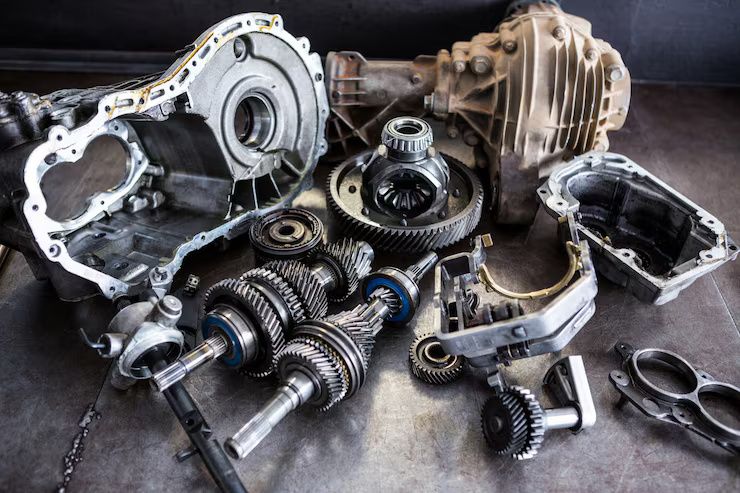
Context – What Is Automotive Parts Information?
An automotive parts information guide is an educational resource that explains the purpose, operation, and relationship of vehicle components. It covers both mechanical and electronic systems found in modern automobiles.
The automotive industry has changed significantly over the past few decades. Traditional engines and mechanical assemblies are now integrated with electronic control units, smart sensors, and advanced safety technologies. As a result, understanding automotive parts requires knowledge of both hardware and digital systems.
Common categories of automotive parts include:
- Engine components
- Transmission systems
- Brake systems
- Suspension and steering
- Electrical components
- Battery systems
- Cooling systems
- Fuel systems
- Lighting equipment
- Safety systems
Main Categories of Automotive Parts
| Part Category | Primary Function | Examples |
|---|---|---|
| Engine Components | Generate vehicle power | Pistons, crankshaft, valves |
| Transmission | Transfer engine power | Gearbox, clutch, torque converter |
| Brake System | Slow or stop the vehicle | Brake pads, discs, calipers |
| Suspension | Improve ride quality | Shock absorbers, springs |
| Steering System | Control vehicle direction | Steering rack, tie rods |
| Electrical System | Supply electrical power | Alternator, battery, wiring |
| Cooling System | Control engine temperature | Radiator, coolant pump |
| Safety Systems | Improve occupant protection | Airbags, ABS sensors, cameras |
Importance – Why It Matters and Who It Affects
Understanding automotive parts helps people make informed decisions about vehicle care and safety. Even basic knowledge can improve awareness of warning signs and vehicle performance.
Drivers benefit from recognizing common automotive components and understanding their functions. Students studying automotive engineering gain foundational knowledge that supports technical learning. Vehicle owners can better understand maintenance schedules and manufacturer recommendations.
Automotive professionals, educators, fleet managers, and researchers also rely on accurate automotive parts information to support inspections, diagnostics, and training.
Vehicle technology has become increasingly connected through onboard computers and communication networks. Components now exchange information continuously to improve efficiency, emissions control, and driver assistance features.
Benefits of Understanding Vehicle Technology
- Improves knowledge of vehicle systems
- Supports informed maintenance planning
- Increases awareness of safety features
- Helps identify common warning indicators
- Encourages responsible vehicle operation
Recent Updates – Trends and Developments from 2024–2026
The automotive industry has experienced rapid technological advancement between 2024 and 2026. Manufacturers continue integrating intelligent systems that improve efficiency, safety, and environmental performance.
Electric vehicles have expanded the range of automotive parts by introducing high-voltage battery packs, electric motors, regenerative braking systems, and battery management software. Hybrid vehicles continue combining internal combustion engines with electric propulsion technologies.
Advanced Driver Assistance Systems (ADAS) have become more common across many vehicle categories. Cameras, radar sensors, ultrasonic sensors, and electronic control modules work together to assist with parking, lane monitoring, collision avoidance, and adaptive driving functions.
Vehicle connectivity has also expanded through cloud communication, remote diagnostics, and software updates. Modern vehicles increasingly depend on software alongside traditional mechanical engineering.
Additional developments include:
- Greater use of lightweight aluminum and composite materials
- Improved battery technology for electric vehicles
- Enhanced thermal management systems
- Increased use of artificial intelligence in vehicle diagnostics
- Expansion of connected vehicle platforms
Environmental goals have also influenced automotive design. Manufacturers continue developing technologies that improve energy efficiency while reducing emissions and supporting sustainable transportation.
Laws or Policies – Relevant Rules, Regulations, or Government Policies
Automotive parts are subject to national and international regulations that promote vehicle safety, emissions compliance, and environmental responsibility.
Many countries establish technical standards covering braking systems, lighting equipment, emissions, tires, occupant protection, and electronic safety systems. Manufacturers must ensure vehicles meet these requirements before entering the market.
Emissions regulations encourage cleaner engine technologies, improved fuel efficiency, and greater adoption of electric mobility. Safety regulations continue expanding requirements for crash protection and driver assistance technologies.
Examples of regulatory areas include:
- Vehicle safety standards
- Emissions requirements
- Battery safety regulations
- Recycling and environmental guidelines
- Component testing and certification
Government agencies regularly update technical requirements to reflect advances in automotive technology and environmental objectives.
Vehicle owners should also follow manufacturer maintenance schedules and applicable roadworthiness inspection requirements where required by local regulations.
Tools and Resources – Useful Websites, Calculators, Templates, or Platforms
Reliable information sources help users understand automotive parts, maintenance schedules, and vehicle technology.
Useful resources include:
- Vehicle manufacturer owner's manuals
- Government transportation department websites
- Automotive standards organizations
- Vehicle maintenance record templates
- Fuel efficiency calculators
- Tire pressure reference guides
- Vehicle Identification Number (VIN) lookup platforms
- Technical training materials from educational institutions
Digital diagnostic tools have become increasingly common. These tools can communicate with onboard vehicle systems and display diagnostic information that assists trained technicians during inspections.
Maintenance logs are also useful for recording replacement intervals, inspections, fluid changes, and scheduled maintenance activities.
FAQs
What are automotive parts?
Automotive parts are the individual mechanical, electrical, and electronic components that work together to operate a vehicle safely and efficiently.
Why is vehicle technology becoming more advanced?
Modern vehicle technology focuses on improving safety, fuel efficiency, environmental performance, driver assistance, and overall reliability through electronics and intelligent systems.
What is the difference between mechanical and electronic automotive parts?
Mechanical parts perform physical functions such as transmitting power or supporting movement, while electronic parts monitor, control, and communicate using sensors and control units.
Why are sensors important in modern vehicles?
Sensors collect information about vehicle operation and send data to onboard computers, helping systems adjust performance, monitor safety, and detect potential issues.
Where can accurate automotive parts information be found?
Reliable information is available through vehicle owner manuals, manufacturer technical documentation, government transportation agencies, automotive education resources, and recognized industry standards.
Conclusion
Automotive parts form the foundation of every vehicle, combining mechanical engineering with modern electronics to deliver safe and efficient transportation. Understanding vehicle technology helps explain how these systems work together and why they continue evolving.
As automotive innovation advances, new technologies such as electric propulsion, connected systems, and intelligent safety features are becoming increasingly common. Staying informed through reliable automotive parts information supports better understanding of today's vehicles.
Knowledge of automotive components benefits drivers, students, technicians, educators, and anyone interested in transportation technology. Learning the purpose of each system provides a stronger appreciation of how modern vehicles continue adapting to changing safety, environmental, and technological expectations.

Related Post...
Automotive Parts Information Guide: Understanding Vehicle Technology
Updated: July 22, 2026
Read More

Material Shaping Guide: Understanding Common Techniques, Tools, and Processes
Updated: September 07, 2026
Read More