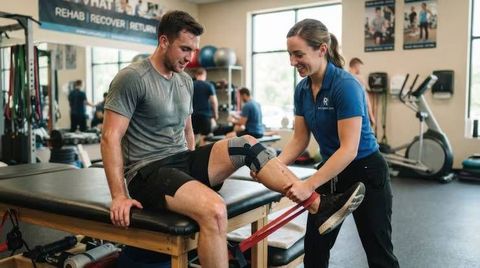
Athletic Recovery Insights for Effective Physical Therapy Planning
Athletic performance depends on more than training intensity.
Recovery plays an equally important role in helping athletes manage physical stress, restore movement, and prepare for future activity. When injuries or persistent discomfort interrupt training, physical therapy can provide a structured approach to rehabilitation.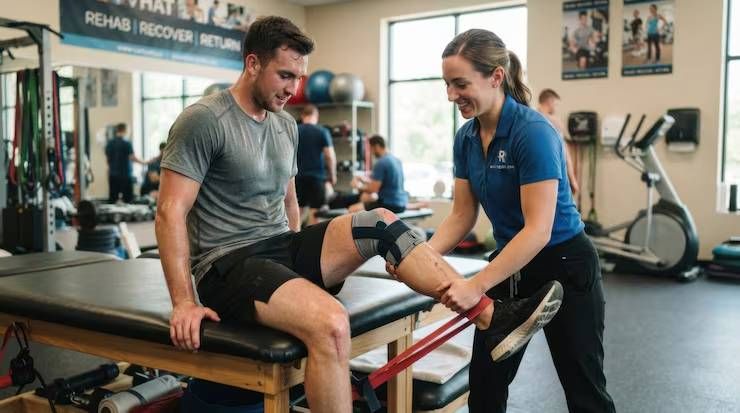
Athletes have different recovery requirements depending on their sport, physical condition, training intensity, and injury history. A runner recovering from a muscle strain may need a different rehabilitation approach from a weightlifter managing shoulder mobility limitations. Understanding these differences helps make recovery planning more practical.
Effective physical therapy planning connects injury assessment, rehabilitation exercises, recovery techniques, and progress monitoring. Understanding available treatment approaches and professional services can help athletes make informed decisions about their recovery and return to physical activity.
Why Athletic Recovery Matters in Physical Therapy
Athletic recovery involves the physical processes that help the body adapt to exercise, manage training-related stress, and regain functional capacity after demanding activity. When recovery is insufficient, fatigue and reduced performance can interfere with training consistency.
Physical therapy supports this process by addressing movement limitations, muscular weakness, joint mobility, and functional problems. Rather than focusing exclusively on pain relief, rehabilitation often aims to restore the physical abilities required for everyday movement and sport-specific activities.
A structured recovery plan also helps distinguish between normal post-exercise soreness and symptoms that may require professional assessment. Persistent pain, recurring injuries, unusual swelling, or reduced joint function should not automatically be treated as ordinary training fatigue.
Key Factors That Shape an Athletic Recovery Plan
Recovery planning should reflect the athlete's individual condition rather than follow a standard exercise routine. Several factors influence which rehabilitation methods may be appropriate.
Injury type and severity: Muscle strains, ligament injuries, tendon problems, and joint conditions require different rehabilitation considerations. The affected tissue and stage of recovery influence exercise selection and progression.
Sport-specific demands: Different activities place different stresses on the body. Basketball requires jumping, acceleration, and directional changes, while swimming involves repetitive upper-body movement and shoulder mobility.
Training history: Previous injuries, conditioning levels, and accumulated training demands can affect rehabilitation planning. Understanding an athlete's training background helps professionals identify relevant limitations.
Functional ability: Mobility, balance, strength, coordination, and movement control provide useful information about recovery progress. These factors help determine whether an athlete is ready for more demanding activities.
Physical Therapy Methods Used in Athletic Rehabilitation
Physical therapy combines assessment and targeted interventions to improve movement and restore physical function. Treatment methods vary according to the injury, the athlete's goals, and the recommendations of qualified healthcare professionals.
Therapeutic Exercise and Strength Development
Therapeutic exercises help rebuild strength, flexibility, coordination, and movement control. Rehabilitation may begin with gentle movements before progressing toward resistance exercises and more demanding functional activities.
Strength development is particularly important after periods of reduced activity. Weakness in supporting muscles can affect movement patterns and make sport-specific tasks more difficult.
Manual Therapy and Mobility Work
Manual therapy involves hands-on techniques used by trained practitioners to address selected movement restrictions and musculoskeletal symptoms. Depending on the clinical assessment, treatment may involve joint mobilization or soft-tissue techniques.
Mobility exercises can complement these interventions by helping athletes improve their available range of motion. The appropriate approach depends on the condition being treated and should not aggravate an existing injury.
Sport-Specific Rehabilitation
Sport-specific rehabilitation introduces movements that resemble the physical demands of an athlete's activity. Examples include controlled jumping, running drills, balance exercises, and direction changes.
These activities help assess whether improvements in basic strength and mobility translate into practical performance. Progression should be based on functional ability and clinical guidance rather than an arbitrary recovery deadline.
Recovery Technologies and Supportive Services
Some rehabilitation programs incorporate additional technologies and professional services to support assessment, exercise, and recovery monitoring.
Recovery option | Potential application | Important consideration |
|---|---|---|
Cold therapy | Short-term management of discomfort after activity | Suitability depends on the injury and individual condition |
Compression equipment | External compression during selected recovery routines | Fit, pressure, and medical suitability matter |
Electrical stimulation | Selected muscle activation and rehabilitation applications | Requires appropriate professional guidance |
Therapeutic ultrasound | Used in certain rehabilitation settings | Benefits depend on the condition and treatment evidence |
Movement assessment systems | Evaluate movement patterns and functional limitations | Results require appropriate interpretation |
Not every recovery technology is necessary or supported equally across different conditions. Athletes should evaluate whether a particular intervention has a clear purpose within their rehabilitation plan.
Professional services may also include sports physiotherapy, orthopedic rehabilitation, strength and conditioning support, and movement assessments. These services can complement one another when responsibilities and treatment goals are clearly coordinated.
How to Evaluate Physical Therapy Providers
Selecting an appropriate physical therapy provider is an important part of recovery planning. Athletes should consider professional qualifications, experience with relevant injuries, assessment methods, and the ability to adapt rehabilitation to sport-specific requirements.
A provider who regularly works with athletic populations may understand the demands of training schedules, competition preparation, and return-to-sport decisions. However, experience should be considered alongside appropriate credentials, clinical reasoning, and communication.
Before beginning treatment, consider asking about:
The initial assessment and how recovery goals will be established.
The rehabilitation methods appropriate for the injury.
How exercise difficulty and training loads will progress.
How improvements will be measured.
How the provider coordinates with other healthcare professionals when necessary.
The availability of suitable facilities and rehabilitation equipment may also influence the treatment experience. However, advanced equipment alone does not establish the quality or effectiveness of a rehabilitation program.
Monitoring Progress and Returning to Sport
Recovery progress should be evaluated through more than changes in pain levels. Improvements in strength, joint mobility, balance, coordination, and sport-specific function can provide a broader understanding of rehabilitation outcomes.
Physical therapists may use functional assessments and progressively demanding exercises to evaluate an athlete's readiness for higher activity levels. The specific assessments depend on the injury and the physical demands of the sport.
Returning to competition too early can expose an athlete to further problems, particularly when strength, movement control, or confidence remain limited. A gradual return-to-sport plan allows training demands to increase according to individual progress and professional assessment.
Recovery planning should also account for training schedules, sleep, nutrition, and rest between demanding sessions. These factors support overall physical adaptation, although they cannot replace appropriate injury assessment and rehabilitation.
Frequently Asked Questions
How long does athletic physical therapy recovery take?
Recovery time varies according to injury type, severity, overall health, and rehabilitation progress. A qualified physical therapist can provide a more individualized timeline after assessment.
Can athletes continue training during physical therapy?
Some athletes can maintain modified training activities while undergoing rehabilitation. However, exercise selection and intensity should reflect the injury and professional recommendations.
Is sports physical therapy different from regular physical therapy?
Sports physical therapy often places additional emphasis on athletic movements, training demands, performance requirements, and return-to-sport preparation. Both approaches use rehabilitation principles to improve physical function.
Are recovery technologies necessary for athletic rehabilitation?
No. Recovery technologies may support selected treatment approaches, but they are not universally necessary. Exercise-based rehabilitation, appropriate assessment, and progressive activity remain important components of many recovery plans.
Conclusion
Effective athletic recovery requires a structured approach that considers injury characteristics, physical demands, rehabilitation methods, and individual progress. Physical therapy helps connect these elements through targeted assessment and progressive treatment.
By understanding available rehabilitation services, evaluating qualified providers, and monitoring functional improvements, athletes can make more informed recovery decisions. A carefully planned return to activity supports long-term physical function and more consistent athletic participation.
Disclaimer: The information provided in this article is for informational purposes only. We do not make any claims or guarantees regarding the accuracy, reliability, or completeness of the information presented. The content is not intended as professional advice and should not be relied upon as such. Readers are encouraged to conduct their own research and consult with appropriate professionals before making any decisions based on the information provided in this article.

Related Post...

Non-Surgical Skin Tightening: A Guide to How Different Methods Work
Updated: October 06, 2026
Read More
Long Duration ARV Delivery: Explore How Consistent Treatment Works
Updated: September 21, 2026
Read More
Inpatient Behavioral Rehabilitation Care Explore Treatment Program Basics
Updated: September 16, 2026
Read More