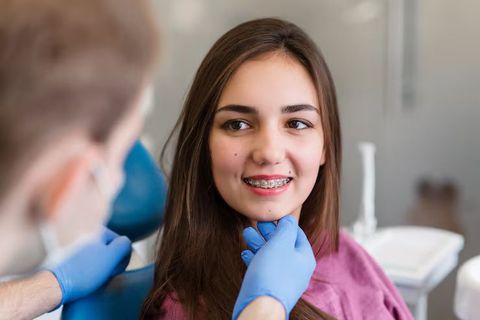
Teeth Whitening: Explore How Modern Whitening Methods Work
A brighter smile is often influenced by more than brushing habits.
Teeth naturally accumulate stains from foods, drinks, tobacco exposure, aging, and changes within the tooth itself. Modern teeth whitening methods are designed to address some of these discolorations through controlled chemical or physical processes.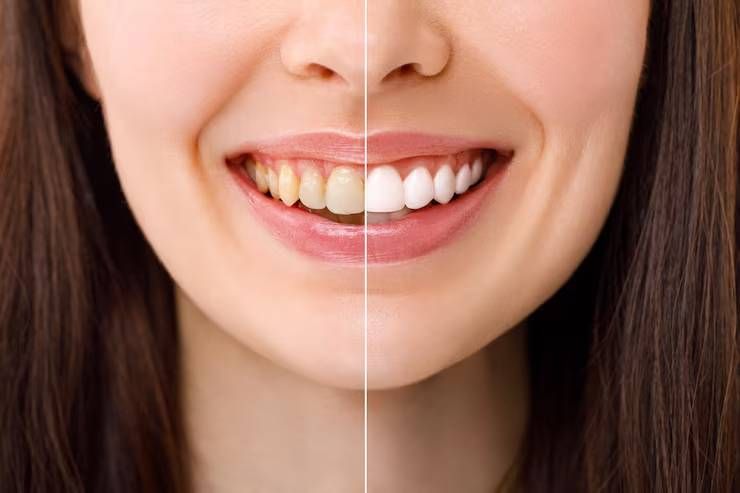
Whitening has become a common part of cosmetic dental care, with options ranging from professionally supervised treatments to products used at home. However, different methods do not work equally well on every type of discoloration, and the condition of the teeth and gums can influence which approach is appropriate.
Understanding how whitening agents interact with tooth structure makes it easier to distinguish surface stain removal from true bleaching. It also helps explain why some treatments produce noticeable changes while others have limited effects.
How Teeth Become Discolored
Tooth color can change for several reasons, and not all discoloration occurs on the outer surface. The visible tooth structure contains enamel on the outside and dentin underneath. Because dentin naturally has a warmer yellowish tone, changes in enamel thickness can influence the appearance of the entire tooth.
Surface stains, sometimes called extrinsic stains, develop when pigments accumulate on enamel. Coffee, tea, red wine, tobacco, and strongly colored foods can contribute to this type of discoloration.
Intrinsic discoloration occurs within the tooth structure. Aging, certain medications taken during tooth development, dental trauma, and some changes in the pulp or dentin can create discoloration that surface cleaning cannot easily remove.
This distinction matters because a whitening product cannot necessarily correct every type of stain.
What Actually Happens During Whitening
Modern bleaching treatments commonly use peroxide-based compounds, particularly hydrogen peroxide or carbamide peroxide. These substances can penetrate enamel and reach pigmented molecules within the tooth.
The peroxide breaks down into reactive molecules that interact with the compounds responsible for darker coloration. This process alters the chemical structure of those pigment molecules, making them less visually concentrated and causing the tooth to appear lighter.
The effect is therefore different from simply scrubbing away a stain. Tooth bleaching changes the appearance of discoloration within the tooth rather than merely polishing its outer surface.
The concentration of the active ingredient, contact time, application method, and condition of the tooth all influence the result.
Professional Whitening and At-Home Methods
Professional whitening generally involves a dental examination followed by a controlled bleaching procedure. Depending on the system, the whitening agent may be applied in a dental setting or provided for supervised home use.
In-office treatment can use relatively concentrated peroxide formulations under controlled conditions. The dentist or dental professional protects the surrounding soft tissues and manages the application according to the selected system.
At-home professional whitening commonly uses customized trays or other prescribed delivery systems. The whitening agent is applied for specified periods over a longer treatment schedule.
Over-the-counter products take a different approach. Whitening strips, gels, toothpaste, rinses, and similar products generally contain lower concentrations of active ingredients or rely partly on stain-removing abrasives.
The appropriate choice depends on the type of discoloration, oral health, sensitivity, desired degree of change, and professional assessment.
Whitening Toothpaste Works Differently
Whitening toothpaste is often misunderstood because the term can imply the same mechanism as professional bleaching. Many whitening toothpastes primarily help remove surface stains through mild abrasives or specialized cleaning ingredients.
Some formulations may contain small amounts of peroxide, but their contact time with teeth is relatively short compared with dedicated bleaching treatments.
As a result, whitening toothpaste can help teeth maintain a cleaner appearance and reduce certain external stains, but it generally does not produce the same degree of color change associated with professional bleaching.
It is more accurate to view these products as part of surface stain management rather than as a substitute for every type of whitening treatment.
Why Tooth Sensitivity Can Occur
Temporary tooth sensitivity is one of the most common effects associated with peroxide-based whitening. Some people notice brief sensitivity to cold, heat, or air during or after treatment.
The exact response varies between individuals. Teeth with exposed dentin, enamel wear, cracks, cavities, gum recession, or other existing conditions may be more sensitive.
Whitening does not need to cause significant discomfort to be effective. If sensitivity becomes pronounced or persistent, continued treatment should be discussed with a dental professional rather than simply increasing or extending the whitening exposure.
Following the recommended application time is particularly important because using more product or leaving it in place longer does not necessarily produce a proportionally better result.
Why Healthy Teeth Matter Before Whitening
Whitening is primarily a cosmetic procedure, so underlying dental problems should be addressed first. Cavities, damaged teeth, gum inflammation, or significant enamel problems can require treatment before bleaching is considered.
Whitening products may also behave differently around dental restorations. Crowns, veneers, fillings, and other restorative materials generally do not bleach in the same way as natural tooth structure.
This can create a mismatch if existing restorations are noticeably different from the surrounding natural teeth. A dental professional can evaluate the overall appearance and determine whether whitening is appropriate before or alongside restorative treatment.
How Long Whitening Results Can Last
Whitening is not a permanent change in tooth color. Teeth remain exposed to foods, beverages, tobacco, aging, and normal oral conditions after treatment.
The duration of a noticeable result varies significantly between individuals. Someone who frequently consumes strongly pigmented beverages may experience new surface staining sooner than someone with fewer staining exposures.
Maintenance may involve regular oral hygiene, professional dental cleanings, and occasional use of an appropriate whitening product when recommended.
The goal should be controlled maintenance rather than repeated aggressive bleaching. Excessive or poorly managed use can increase sensitivity and irritate oral tissues.
Choosing a Whitening Approach
The most suitable method depends on what is causing the discoloration and the condition of the mouth.
For mild surface staining, improved oral hygiene and stain-control products may be sufficient. More noticeable discoloration may respond to peroxide-based bleaching, while deeper intrinsic changes can require professional evaluation to determine whether bleaching alone is likely to help.
A dental examination is particularly useful when discoloration affects only one tooth, appears suddenly, follows an injury, or is accompanied by pain or other symptoms.
Rather than selecting a whitening method solely according to its advertised strength, it is more useful to consider the underlying cause of the discoloration and the health of the teeth and gums.
Modern Whitening Is About Controlled Treatment
Current whitening methods are built around controlling the concentration, exposure time, application area, and treatment frequency. Professional supervision adds another layer of control by allowing dental conditions and individual sensitivity to be considered.
This approach is particularly relevant because brighter teeth do not necessarily mean healthier teeth. Whitening changes appearance, while regular dental care remains responsible for preventing and managing oral disease.
A balanced whitening plan therefore combines realistic expectations with appropriate treatment and ongoing oral hygiene.
Frequently Asked Questions
Does teeth whitening remove all types of stains?
No. Whitening generally works more predictably on certain types of natural tooth discoloration. Surface stains may respond well to cleaning, while some intrinsic discoloration may respond less effectively or require another cosmetic approach.
Is professional whitening different from whitening toothpaste?
Yes. Professional whitening commonly uses peroxide-based bleaching under controlled conditions. Whitening toothpaste mainly helps remove or reduce surface stains and generally produces a more limited color change.
Can whitening cause tooth sensitivity?
Yes. Temporary sensitivity can occur, particularly with peroxide-based treatments. People who already have sensitive teeth or exposed dentin may be more susceptible.
Can crowns and fillings be whitened?
Natural teeth and dental restorations do not necessarily respond in the same way to bleaching. Existing crowns, veneers, and fillings generally do not lighten like natural enamel, which can affect the final appearance.
How can whitening results be maintained?
Good oral hygiene, regular dental care, and limiting frequent exposure to strongly staining substances can help maintain the appearance. Any repeat whitening should follow the product instructions or professional advice.
Conclusion
Modern teeth whitening works by addressing tooth discoloration through different mechanisms, from surface stain removal to peroxide-based bleaching of natural tooth structure. The effectiveness of each method depends on the type of discoloration, tooth condition, treatment concentration, and application process.
The most useful approach is not simply choosing the strongest whitening method. Understanding why teeth are discolored and ensuring the mouth is healthy first allows whitening to be approached more safely and realistically.
Disclaimer: The information provided in this article is for informational purposes only. We do not make any claims or guarantees regarding the accuracy, reliability, or completeness of the information presented. The content is not intended as professional advice and should not be relied upon as such. Readers are encouraged to conduct their own research and consult with appropriate professionals before making any decisions based on the information provided in this article.

Related Post...

Body Massage and Spa: Discover Techniques, Benefits, and What to Expect
Updated: August 22, 2026
Read More
Diabetes Management: Explore How Daily Monitoring Supports Better Control
Updated: October 06, 2026
Read More
Biotech Pipeline: Explore Trends Across Clinical Development Stages
Updated: August 22, 2026
Read More