Diabetes Management: Explore How Daily Monitoring Supports Better Control
Managing diabetes is not limited to taking medication or following a particular eating pattern.
Daily monitoring helps people understand how factors such as meals, physical activity, medication, sleep, stress, and illness can affect blood glucose throughout the day.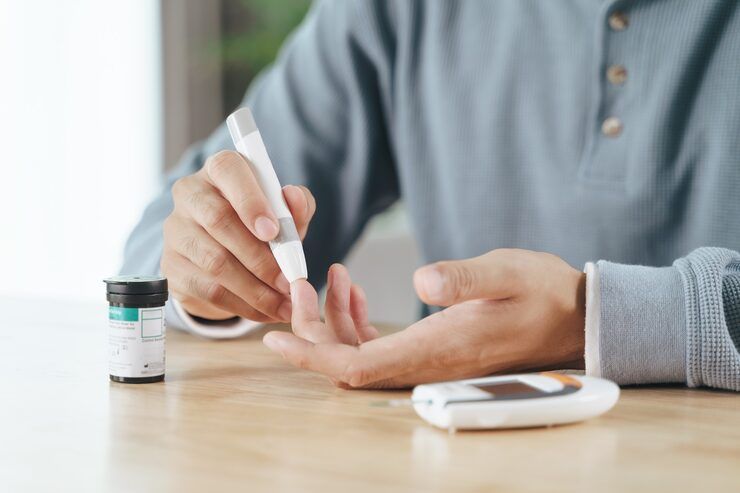
Diabetes management has become increasingly focused on informed day-to-day decision-making. Glucose meters, continuous glucose monitoring systems, medication plans, and regular clinical assessments can provide different pieces of information that help individuals and healthcare professionals understand treatment response.
Effective monitoring is most useful when readings are interpreted as part of a broader pattern rather than treated as isolated numbers. Understanding what to monitor, when measurements matter, and how information is used can make diabetes care more organized and meaningful.
Why Daily Monitoring Matters in Diabetes Care
Blood glucose naturally changes throughout the day. Food can raise glucose, physical activity can lower it, medications can influence levels, and illness or stress can produce unexpected changes.
Daily monitoring provides a window into these changes. Instead of relying only on occasional clinical measurements, people can observe how their glucose responds under everyday conditions.
The purpose is not to chase a particular number throughout the day. Monitoring helps reveal patterns that may indicate whether a treatment plan is working as expected or whether something should be discussed with a healthcare professional.
For some people with diabetes, monitoring is especially important when treatment can cause blood glucose to fall too low. Recognizing unusual readings and understanding the appropriate response are important parts of safe diabetes management.
What Diabetes Monitoring Can Include
The right monitoring approach varies according to diabetes type, treatment, age, health status, and individual circumstances.
Blood glucose monitoring may involve a traditional glucose meter, which requires a small blood sample, or a continuous glucose monitoring system that measures glucose levels at regular intervals through a sensor.
Other information can be equally valuable. People may track medication timing, meals, physical activity, symptoms, and circumstances that could influence glucose.
Longer-term measures also provide important context. The A1C test, for example, reflects average blood glucose over roughly the previous two to three months. It does not replace day-to-day monitoring, but it can help healthcare professionals assess longer-term glucose management.
Understanding Patterns Instead of Individual Readings
A single glucose reading provides limited information. A series of readings can reveal much more.
For example, repeated increases after a particular meal may suggest a consistent relationship between food and glucose levels. Similarly, recurring changes around exercise or at a particular time of day may reveal patterns that are difficult to recognize from occasional measurements.
The goal is to look for meaningful trends rather than react emotionally to every fluctuation. Blood glucose can change for many reasons, and an unexpected reading does not necessarily mean that diabetes management has failed.
A useful monitoring record can include:
- Glucose readings and measurement times
- Medication timing
- Meals or significant dietary changes
- Physical activity
- Illness or unusual stress
- Symptoms associated with unusually high or low glucose
This information can make discussions with a healthcare professional more productive because it provides context around the numbers.
How Meals and Physical Activity Affect Glucose
Food and physical activity are two everyday factors that can significantly influence blood glucose.
Carbohydrates are broken down into glucose and can produce a noticeable increase in blood glucose after eating. The size and timing of this response can vary depending on the meal, medication, activity level, and individual physiology.
Physical activity can also change glucose levels. Muscle activity increases glucose use, although the response varies according to exercise intensity, duration, medication, and other factors.
Monitoring can help identify personal patterns, but it should not be used to create major medication or dietary changes without appropriate clinical guidance. Diabetes management is individualized, and the same glucose pattern can have different implications for different people.
Medication and Monitoring Work Together
Medication is an important part of diabetes treatment for many people, but its effect cannot always be understood without considering timing and other daily factors.
Some medicines primarily improve the body's ability to use insulin or reduce glucose production. Others increase insulin availability or have different mechanisms that influence glucose regulation.
For people using insulin or medicines that can cause hypoglycemia, monitoring may have an additional safety role. Unusually low glucose can produce symptoms such as shakiness, sweating, confusion, weakness, or dizziness.
People should follow the monitoring and medication instructions provided by their healthcare team. Medication doses should not be changed simply because of one unexpected reading unless the treatment plan specifically provides instructions for doing so.
Continuous Glucose Monitoring Adds More Context
Continuous glucose monitoring, often called CGM, can provide a more detailed view of glucose patterns than occasional finger-stick measurements.
A CGM sensor measures glucose in the fluid beneath the skin and provides repeated readings. Depending on the system, information may be displayed on a receiver, smartphone, or other compatible device.
One useful feature is the ability to see glucose direction and trends rather than only a single measurement. This can help users and clinicians understand whether glucose is relatively stable, rising, or falling.
CGM systems can also provide alerts for certain glucose levels. These alerts may be particularly useful for people who experience hypoglycemia or significant glucose variability.
However, CGM data still requires interpretation. Sensor readings and blood glucose measurements are not always identical, and users should follow the instructions for their specific system when readings do not match symptoms or expectations.
When Monitoring Requires Extra Attention
Certain situations can make glucose monitoring particularly important. Illness, changes in medication, major changes in physical activity, or unusual eating patterns can all affect glucose control.
Stress can also influence blood glucose. Hormonal responses during physical or emotional stress may cause glucose levels to rise, even when eating habits have not changed.
People with diabetes should also understand the symptoms that may indicate hypoglycemia or significant hyperglycemia. Persistent or severe symptoms require appropriate medical attention rather than relying solely on home monitoring.
Monitoring should support clinical care, not replace it. Regular healthcare appointments remain important for reviewing glucose trends, medication effectiveness, blood pressure, cholesterol, kidney health, eye health, and other aspects of diabetes management.
Making Daily Monitoring Practical
Monitoring becomes more useful when it fits naturally into everyday routines. A complicated system that is difficult to maintain may produce less useful information than a simpler approach that can be followed consistently.
Keeping measurements organized can also reduce confusion. Digital glucose records, CGM reports, medication logs, or simple written notes can help identify patterns over time.
The focus should remain on useful information rather than collecting data for its own sake. If a particular measurement does not contribute to a clinical decision or personal understanding, its value may be limited.
A healthcare professional can help determine which measurements are appropriate and how frequently they should be taken.
How Technology Is Changing Diabetes Monitoring
Diabetes monitoring technology increasingly combines glucose measurements with trend information and digital reporting. Some systems can generate summaries that show glucose patterns across different periods rather than presenting individual readings alone.
These tools can make it easier to identify recurring periods of higher or lower glucose. They can also help healthcare professionals review information during routine appointments.
However, technology does not eliminate the need for judgment. Devices provide measurements, while treatment decisions require clinical context. Factors such as medication, nutrition, activity, symptoms, and other health conditions still need to be considered.
The most useful technology is therefore technology that helps people understand their diabetes more clearly and communicate meaningful information to their healthcare team.
Frequently Asked Questions
How often should blood glucose be monitored?
There is no single schedule that applies to everyone. Monitoring frequency depends on diabetes type, medication, insulin use, glucose stability, and the individual's treatment plan. A healthcare professional can recommend an appropriate schedule.
Is one high glucose reading a reason to worry?
One elevated reading does not necessarily indicate a serious problem. Glucose can temporarily rise because of food, stress, illness, medication changes, or other factors. Repeated high readings or concerning symptoms should be discussed with a healthcare professional.
What is the difference between a glucose meter and CGM?
A glucose meter provides a blood glucose measurement at a specific time. A CGM uses a sensor to provide repeated glucose measurements and can show trends over time.
Does daily monitoring improve diabetes control?
Monitoring can provide useful information for understanding glucose patterns and evaluating treatment response. Its value depends on using the information appropriately and incorporating it into an overall diabetes management plan.
Should medication be changed based on glucose readings?
Medication changes should generally follow an established treatment plan or guidance from a healthcare professional. People should not make significant medication adjustments based only on isolated readings.
Conclusion
Daily monitoring gives diabetes management a practical connection to everyday life. Glucose readings, medication information, activity, meals, symptoms, and longer-term measures can collectively reveal patterns that are difficult to see from occasional assessments.
The most effective approach is not simply measuring more often. It is using relevant information consistently, understanding trends, recognizing situations that require attention, and working with healthcare professionals to make appropriate treatment decisions. When used this way, daily monitoring becomes a valuable part of structured, informed diabetes care.
Disclaimer: The information provided in this article is for informational purposes only. We do not make any claims or guarantees regarding the accuracy, reliability, or completeness of the information presented. The content is not intended as professional advice and should not be relied upon as such. Readers are encouraged to conduct their own research and consult with appropriate professionals before making any decisions based on the information provided in this article.

Related Post...

Dental Clips in Orthodontics Discover Modern Teeth Alignment Solutions
Updated: July 11, 2026
Read More