Body Massage and Spa: Discover Techniques, Benefits, and What to Expect
Body massage and spa treatments have become a familiar part of wellness routines, offering structured ways to relax, reduce physical tension, and support general well-being. Although treatments vary widely, most involve intentional touch, pressure, movement, or heat designed around the individual's comfort and needs.
A spa environment can also provide more than a massage itself. Many facilities combine massage techniques with quiet surroundings, warm treatments, stretching, aromatherapy, or other relaxation-focused practices. Understanding these options can make it easier to choose an approach that matches a particular purpose.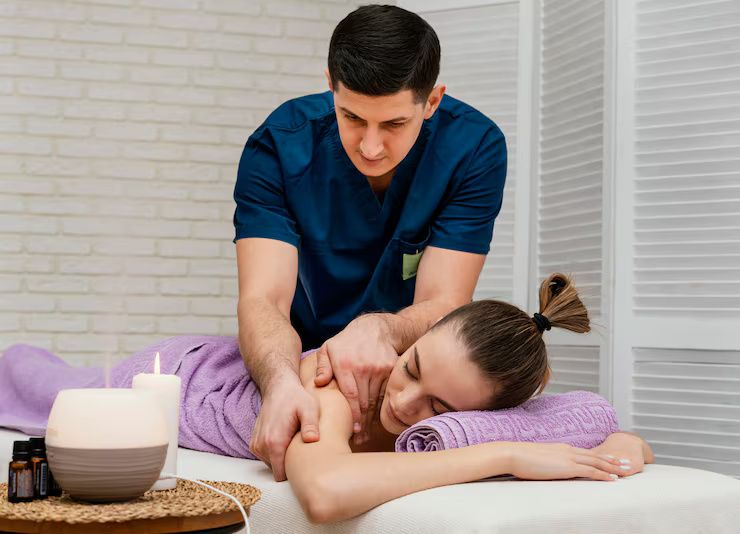
Knowing what happens before, during, and after a treatment is equally useful, especially for someone experiencing a professional massage for the first time. The technique, pressure level, session structure, and practitioner communication can all influence the overall experience.
How Body Massage Works
Body massage generally involves manipulating soft tissues such as muscles, connective tissue, and surrounding areas through controlled movements. Depending on the technique, a practitioner may use gliding strokes, kneading, compression, friction, or gentle stretching.
The physical effects can vary from person to person. Some people primarily seek relaxation, while others use massage as part of a broader approach to managing muscle tightness after physical activity or prolonged periods of sitting.
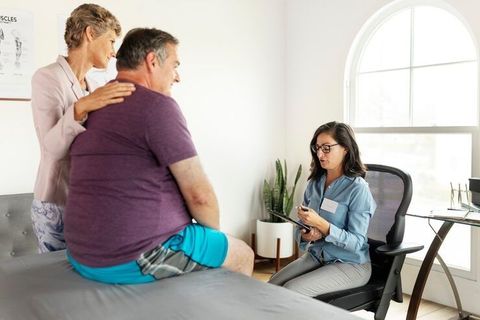
A professional treatment should begin with a conversation about comfort, preferences, relevant physical concerns, and areas that should be avoided. This initial discussion helps establish appropriate pressure and provides an opportunity to communicate any important limitations.
Common Massage Techniques
Different massage methods use distinct levels of pressure and movement. The right technique depends on the person's preferences, physical condition, and reason for receiving treatment.
Swedish Massage
Swedish massage is commonly associated with gentle to moderate pressure and flowing movements. Long strokes, kneading, and rhythmic techniques are often used to encourage relaxation and ease general muscular tension.
Because the approach is relatively adaptable, it is often considered an accessible option for people who are new to massage.
Deep Tissue Massage
Deep tissue massage uses slower, more focused pressure on areas where muscle tension may be concentrated. The technique can feel more intense than a relaxation-focused treatment.
Communication is particularly important because excessive pressure can create unnecessary discomfort. A deeper technique should not automatically be considered better; the appropriate intensity depends on individual tolerance and treatment goals.
Sports Massage
Sports massage is generally associated with physically active individuals. Techniques may focus on areas affected by repetitive movement, training, or athletic activity.
The treatment can include stretching and targeted work rather than following a uniform full-body sequence. Its purpose and intensity can differ considerably depending on the person's activity level and physical requirements.
Aromatherapy Massage
Aromatherapy massage combines massage techniques with selected essential oils used for their scents. The experience is often designed around relaxation and sensory comfort rather than intensive muscle work.
People with allergies, sensitive skin, or particular reactions to fragrances should discuss these concerns before treatment.
Potential Benefits of Massage
Massage may support several aspects of physical and mental well-being, although results vary according to the individual and the technique used.
Relaxation is one of the most commonly associated benefits. Slow, rhythmic movements and a quiet environment can help create a sense of calm, particularly for people dealing with everyday physical or mental tension.
Massage may also temporarily reduce the feeling of muscle tightness. Improved local circulation and mechanical movement of soft tissues are among the physiological effects associated with massage, although these effects should not be interpreted as treatment for a medical condition.
For people who spend long periods at desks or engage in repetitive activities, targeted massage may also contribute to a greater awareness of areas that regularly become tense.
What to Expect During a Spa Visit
A typical spa experience begins with an intake or consultation. The practitioner may ask about preferred pressure, areas of tension, allergies, sensitivities, and the type of experience the client wants.
The treatment room is usually arranged to provide privacy and comfort. Depending on the treatment, the person may lie on a massage table under appropriate draping, with only the area being worked on exposed.
During the session, communication should remain comfortable and straightforward. Clients can request adjustments if the pressure feels too strong, too light, too warm, or otherwise uncomfortable.
After the massage, the practitioner may allow a few minutes for the person to get up gradually. Drinking water and taking a short period to relax afterward can make the transition back to normal activities more comfortable.
Choosing an Appropriate Treatment
The most suitable massage is not necessarily the most intense or elaborate option. The decision should be based on the person's purpose, comfort level, previous experience, and any relevant physical considerations.
Someone primarily seeking relaxation may prefer a gentle full-body technique. A physically active person may be more interested in targeted work, while someone unfamiliar with massage may benefit from starting with a moderate-pressure approach.
The practitioner's qualifications and communication style also matter. A good practitioner should explain the treatment clearly, respect boundaries, and respond appropriately to changes in comfort during the session.
Safety and Important Considerations
Massage is generally well tolerated by many people, but it is not appropriate in every situation. Certain injuries, acute illnesses, skin conditions, recent procedures, or other health circumstances may require professional medical advice before receiving treatment.
People who are pregnant, taking particular medications, recovering from an injury, or managing a medical condition should discuss massage with an appropriate healthcare professional when there is uncertainty about whether it is suitable.
During a session, pain should not be treated as proof that a massage is effective. Mild pressure or temporary tenderness can occur with some techniques, but sharp or significant pain should be communicated immediately.
How Spa Treatments Fit Into a Wellness Routine
Massage can be viewed as one component of a broader wellness routine rather than a substitute for medical care, physical activity, adequate sleep, or other healthy habits.
Regular movement, appropriate stretching, hydration, balanced nutrition, and sufficient recovery can all contribute to physical well-being. Massage may complement these habits by providing structured relaxation and temporary relief from everyday muscular tension.
The frequency of massage also depends on individual needs. Some people use treatments occasionally for relaxation, while others incorporate them around demanding physical activities or periods of increased tension.
Frequently Asked Questions
How long does a typical body massage last?
Session length varies according to the treatment and spa. Common formats range from shorter targeted sessions to longer treatments involving multiple areas of the body.
Should massage pressure be uncomfortable?
Massage does not need to be painful to be effective. Pressure should remain within a comfortable range, and the practitioner should adjust the technique when requested.
Is massage suitable for everyone?
Not necessarily. Certain health conditions, injuries, skin problems, pregnancy-related considerations, or recent medical procedures may require professional guidance before treatment.
What should someone do after a massage?
A short period of rest can help the body transition after treatment. Normal hydration and avoiding strenuous activity immediately afterward may also be appropriate depending on the type of massage.
Conclusion
Body massage and spa treatments encompass a broad range of techniques, from gentle Swedish massage to more targeted approaches such as deep tissue and sports massage. Each method creates a different experience, making communication, comfort, and individual needs important parts of the process.
Understanding the techniques, potential benefits, treatment process, and safety considerations allows people to approach massage with realistic expectations. When used appropriately, it can serve as a practical part of relaxation and general wellness while complementing, rather than replacing, professional healthcare when medical concerns are involved.

Related Post...
Dental Clips in Orthodontics Discover Modern Teeth Alignment Solutions
Updated: July 11, 2026
Read More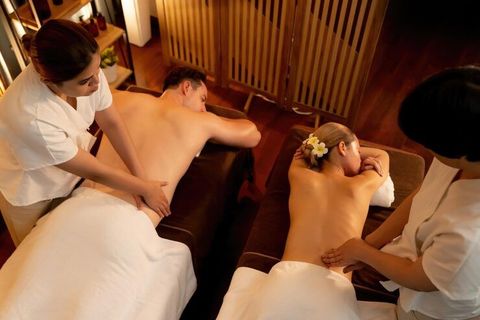
Biotech Pipeline: Explore Trends Across Clinical Development Stages
Updated: August 22, 2026
Read More