These tools have evolved over time from simple manual testing methods to more advanced digital systems. Early testing often relied on basic chemical reactions observed visually, while modern water testing equipment includes sensors, electronic meters, and automated analysis systems that provide more precise and consistent results. In 2025, this field continues to expand with improved accuracy, portability, and ease of use.
Water testing equipment is commonly used to measure parameters such as pH levels, dissolved oxygen, turbidity, conductivity, and the presence of contaminants. These measurements help determine whether water is suitable for drinking, industrial processes, irrigation, or environmental conservation.
Importance
Access to clean and safe water is a fundamental requirement for health and sustainable development. Water testing equipment helps identify contamination that may not be visible, such as harmful microorganisms, heavy metals, or chemical pollutants. Without proper testing, these risks can go unnoticed and may affect communities, ecosystems, and infrastructure.
For households, basic water testing equipment can provide insights into drinking water quality, especially in areas where water sources vary. In agriculture, farmers use portable water testing tools to monitor irrigation water, which can influence crop health and soil conditions. Industries rely on more complex systems to ensure water used in manufacturing meets required standards.
Common challenges addressed by water testing equipment include:
- Detecting contamination: identifying bacteria, chemicals, or pollutants that may pose risks
- Maintaining regulatory compliance: ensuring water meets established safety guidelines
- Supporting environmental protection: monitoring lakes, rivers, and groundwater systems
- Improving efficiency: helping industries optimize water use and treatment processes
These tools help reduce uncertainty and support informed decision-making in both everyday and specialized settings.
Recent Updates
Recent developments in water testing equipment between 2024 and 2026 reflect a growing focus on digital integration, portability, and real-time monitoring. Many modern devices now include smart sensors that can transmit data to mobile applications or cloud-based platforms. This allows users to track water quality trends over time without manual recording.
Portable water testing tools have become more compact and user-friendly. Handheld devices now combine multiple testing functions into a single unit, enabling users to measure several parameters at once. This is particularly useful for fieldwork in remote or rural areas.
Automation is another key trend in industrial analysis systems. Large-scale facilities increasingly use automated water testing equipment that continuously monitors water quality and alerts operators when values move outside acceptable ranges. This reduces manual effort and supports consistent monitoring.
There is also a gradual shift toward environmentally conscious testing methods. Some newer lab kits are designed to minimize chemical usage and waste, aligning with broader sustainability goals.
Laws or Policies
Water testing equipment is closely linked to regulations that aim to protect public health and the environment. In India, water quality standards are guided by organizations such as the Bureau of Indian Standards (BIS) and the Central Pollution Control Board (CPCB). These bodies define acceptable limits for various water quality parameters.
For drinking water, BIS provides guidelines under IS 10500, which outlines permissible limits for substances like fluoride, arsenic, and nitrates. Water testing equipment is used to verify whether these limits are met.
Industrial facilities are often required to monitor wastewater before discharge. The CPCB sets standards for effluent quality, and industries use water testing equipment to measure parameters such as chemical oxygen demand (COD) and biological oxygen demand (BOD).
Government programs and local authorities may also conduct regular water quality assessments using standardized testing procedures. These efforts help maintain consistency in how water is evaluated across different regions.
Tools and Resources
A variety of tools and resources are available to support water testing across different contexts. These range from simple kits for basic testing to advanced systems for detailed analysis.
Lab Kits
Lab-based water testing kits are typically used in controlled environments such as laboratories and research centers. They often include reagents, test tubes, and color comparison charts. Some digital lab kits also use spectrophotometers to measure concentration levels more precisely.
Common features of lab kits include:
- Multi-parameter testing: ability to measure several water quality indicators
- Structured procedures: step-by-step methods for consistent results
- Data recording: manual or digital tracking of observations
Portable Tools
Portable water testing equipment is designed for field use. These tools are lightweight and easy to carry, making them suitable for on-site testing in rivers, wells, and storage tanks.
Examples of portable tools include:
- Handheld pH meters: measure acidity or alkalinity
- TDS meters: estimate total dissolved solids in water
- Turbidity meters: assess water clarity
- Multiparameter devices: combine several sensors in one unit
Industrial Analysis Systems
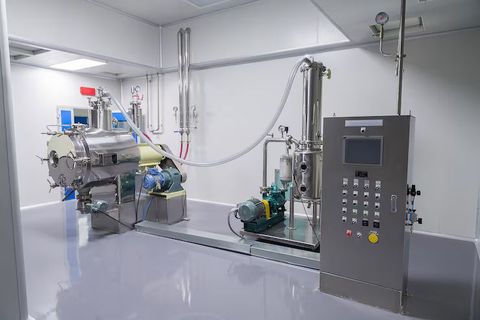
Industrial water testing equipment is used in large-scale operations such as manufacturing plants, water treatment facilities, and power stations. These systems are often integrated into automated processes.
Key characteristics include:
- Continuous monitoring: real-time tracking of water parameters
- Data integration: connection with control systems and dashboards
- Alert mechanisms: notifications when values exceed set limits
Sample Data Table of Common Parameters
| Parameter | What It Indicates | Common Measurement Method |
|---|---|---|
| pH Level | Acidity or alkalinity | pH meter or test strips |
| Turbidity | Water clarity | Turbidity meter |
| Dissolved Oxygen | Oxygen available for aquatic life | DO meter |
| Conductivity | Ionic content | Conductivity meter |
| Total Dissolved Solids (TDS) | Mineral concentration | TDS meter |
| Nitrates | Nutrient levels | Chemical test kit |
Digital Platforms and Resources
In addition to physical tools, digital resources support water testing activities. Mobile applications and software platforms allow users to log data, analyze trends, and generate reports. Educational websites and public databases provide information on water quality standards and testing methods.
FAQs
What is water testing equipment used for?
Water testing equipment is used to measure the physical, chemical, and biological characteristics of water. It helps determine whether water is suitable for drinking, agriculture, industrial use, or environmental purposes.
What are portable water testing tools?
Portable water testing tools are compact devices designed for on-site measurements. They include handheld meters and multiparameter instruments that allow users to test water quality outside of laboratory settings.
How do lab kits differ from industrial analysis systems?
Lab kits are typically used for manual or semi-digital testing in controlled environments, while industrial analysis systems are automated and designed for continuous monitoring in large-scale operations.
What parameters can water testing equipment measure?
Water testing equipment can measure parameters such as pH, turbidity, dissolved oxygen, conductivity, total dissolved solids, and the presence of specific chemicals or contaminants.
Is water testing equipment necessary for households?
Basic water testing equipment can help households understand the quality of their water supply. It is especially useful in areas where water sources may vary or where additional monitoring is needed.
Conclusion
Water testing equipment provides essential insights into water quality across domestic, agricultural, and industrial settings. From simple lab kits to advanced industrial analysis systems, these tools support accurate measurement and monitoring of key parameters. Ongoing developments continue to improve accessibility, portability, and data integration. Understanding how these tools function helps individuals and organizations make informed decisions about water use and safety.