Medical Tools Insights for Digital Health Systems and Innovation
Healthcare is evolving rapidly as digital technologies become more integrated into everyday medical practice. From patient monitoring devices and telehealth platforms to advanced diagnostic systems and data-driven decision-making tools, digital health systems are helping healthcare providers deliver more efficient, accurate, and accessible care. These innovations are transforming how medical information is collected, shared, analyzed, and used to improve patient outcomes.
Medical tools are no longer limited to traditional instruments used in clinics and hospitals. Today, they include intelligent software systems, connected devices, automation technologies, and advanced analytics platforms that support healthcare professionals throughout the patient care journey. As healthcare organizations face increasing demands for quality, efficiency, and accessibility, digital health systems are becoming essential components of modern healthcare infrastructure.
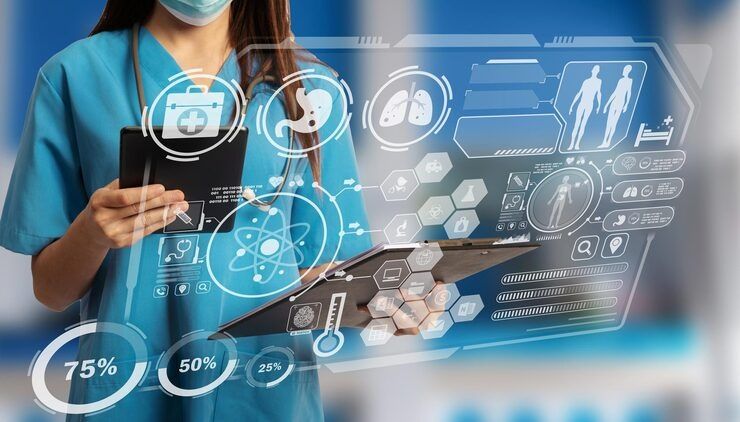
The growing relationship between healthcare and technology is creating opportunities to improve patient experiences while helping providers manage complex medical environments more effectively.
Understanding Digital Health Systems
Digital health systems are technology-driven frameworks designed to support healthcare delivery, patient management, and clinical decision-making. These systems combine hardware, software, communication networks, and medical technologies to create a connected healthcare ecosystem.
Common components of digital health systems include:
- Electronic health records (EHRs)
- Telehealth platforms
- Medical imaging technologies
- Remote patient monitoring devices
- Clinical decision support systems
- Healthcare analytics tools
- Automated laboratory systems
- Mobile health applications
The primary goal of digital health systems is to improve healthcare quality while making services more efficient and accessible for patients and providers alike.
The Importance of Modern Medical Tools
Medical tools play a critical role in helping healthcare professionals diagnose conditions, monitor patients, and manage treatments. Advances in technology have significantly expanded the capabilities of these tools, allowing healthcare providers to access more accurate information and make better-informed decisions.
Modern medical tools help support:
- Faster diagnosis
- Improved patient monitoring
- Better treatment planning
- Enhanced workflow efficiency
- Reduced administrative burden
- Improved communication between healthcare teams
As healthcare data becomes increasingly complex, digital tools provide valuable support in organizing and interpreting information that can influence patient care decisions.
Electronic Health Records and Data Accessibility
One of the most significant developments in healthcare technology is the adoption of electronic health records. Digital records allow healthcare providers to securely store and access patient information whenever needed.
Benefits of electronic health records include:
- Centralized patient information
- Improved accuracy of medical records
- Faster access to clinical history
- Better coordination among healthcare providers
- Reduced reliance on paper-based systems
Healthcare professionals can use electronic records to review previous diagnoses, medications, test results, and treatment plans, helping create a more complete understanding of a patient’s health status.
Efficient data management also supports continuity of care, particularly when patients receive treatment from multiple healthcare providers.
Telehealth and Virtual Healthcare Services
Telehealth has become an important part of modern healthcare delivery. Digital communication technologies allow patients to connect with healthcare professionals remotely, reducing barriers to care and improving access to medical services.
Telehealth solutions support:
- Virtual consultations
- Follow-up appointments
- Chronic disease management
- Mental health support
- Health education and counseling
For individuals living in rural or underserved areas, telehealth can help bridge gaps in healthcare access. It also offers convenience for patients who may have difficulty traveling to healthcare facilities.
As internet connectivity and communication technologies continue to improve, telehealth is expected to remain a key component of future healthcare systems.
Remote Patient Monitoring and Connected Devices
Remote patient monitoring allows healthcare providers to track patient health data outside traditional clinical environments. Connected medical devices collect information and transmit it securely to healthcare professionals for review.
These devices can monitor:
- Heart rate
- Blood pressure
- Blood glucose levels
- Oxygen saturation
- Sleep quality
- Physical activity
Continuous monitoring helps healthcare teams identify changes in a patient's condition more quickly and may support earlier interventions when necessary.
Remote monitoring technologies are particularly valuable for managing chronic health conditions and supporting long-term patient care strategies.
Artificial Intelligence and Smart Healthcare Technologies
Artificial intelligence is becoming an increasingly important component of digital health systems. AI-powered tools help healthcare organizations process large amounts of data and identify meaningful patterns that may support clinical decision-making.
Applications of AI in healthcare include:
- Diagnostic assistance
- Medical image analysis
- Predictive health analytics
- Clinical workflow optimization
- Patient risk assessment
- Research support
Rather than replacing healthcare professionals, artificial intelligence functions as a support tool that enhances efficiency and provides additional insights.
Healthcare providers remain responsible for interpreting results and making final treatment decisions based on clinical expertise and patient needs.
Medical Imaging and Diagnostic Innovation
Diagnostic imaging technologies have advanced significantly with the integration of digital systems. Modern imaging tools help healthcare professionals visualize internal structures, monitor conditions, and support treatment planning.
Digital imaging technologies contribute to:
- Faster image processing
- Improved image quality
- Enhanced diagnostic accuracy
- Better collaboration among specialists
- Efficient storage and retrieval of medical images
The ability to securely share imaging data across healthcare networks allows specialists to collaborate more effectively, regardless of physical location.
This interconnected approach supports more comprehensive patient evaluations and informed medical decisions.
Automation and Intelligent Healthcare Workflows
Automation is helping healthcare organizations improve operational efficiency by reducing repetitive manual tasks and streamlining routine processes.
Healthcare automation applications include:
- Appointment scheduling
- Laboratory testing workflows
- Medication management systems
- Inventory tracking
- Patient registration processes
- Administrative documentation
Automation technologies help healthcare providers focus more on patient care while reducing the time spent on routine operational tasks.
The design principles used in advanced automation systems often draw inspiration from broader technology sectors. Concepts such as human-machine interface (HMI) design and intuitive robot programming software emphasize ease of use, helping healthcare professionals interact effectively with increasingly sophisticated medical systems.
Robotics and Advanced Healthcare Support Systems
Healthcare robotics represents an emerging area of innovation that supports both clinical and operational functions.
Robotic technologies may assist with:
- Surgical procedures
- Rehabilitation therapy
- Hospital logistics
- Laboratory automation
- Medication delivery
- Patient support services
Some healthcare automation systems incorporate concepts that share similarities with industrial technologies such as mobile manipulator robots, vision-guided robotic assembly, and collaborative automation platforms. While healthcare applications differ significantly from manufacturing environments, the underlying focus on precision, reliability, and safety remains highly relevant.
Healthcare technology developers also place strong emphasis on safety standards, similar to principles associated with collaborative robot safety certification. These approaches help ensure that automated systems can operate safely alongside healthcare professionals while maintaining high levels of performance.
Although technologies like cobot palletizing solutions are primarily associated with industrial operations, the broader concept of collaborative automation continues to influence how healthcare organizations approach workflow optimization and system design.
Data Analytics and Clinical Decision Support
Healthcare organizations generate vast amounts of information every day. Advanced analytics platforms help transform this data into useful insights that support patient care and operational planning.
Data analytics can help healthcare organizations:
- Identify health trends
- Evaluate treatment outcomes
- Improve resource allocation
- Monitor population health
- Support evidence-based care
Clinical decision support systems use data analysis to provide recommendations and alerts that assist healthcare professionals during the decision-making process.
These tools help improve consistency while supporting more informed and timely clinical actions.
Cybersecurity and Patient Information Protection
As healthcare systems become increasingly digital, protecting sensitive patient information remains a critical priority.
Healthcare organizations must focus on:
- Data privacy protection
- Secure communication channels
- Identity verification processes
- System monitoring
- Access control management
Strong cybersecurity practices help maintain trust between patients and healthcare providers while supporting compliance with healthcare regulations and standards.
Protecting digital health infrastructure is essential for ensuring the reliability and long-term success of modern healthcare systems.
The Future of Digital Health Innovation
The future of healthcare will likely be shaped by continued advancements in connectivity, automation, artificial intelligence, and data-driven technologies.
Emerging trends include:
- Personalized healthcare solutions
- Predictive health management
- Expanded telehealth capabilities
- Intelligent clinical support systems
- Advanced healthcare robotics
- Greater interoperability between healthcare platforms
As these technologies continue to mature, healthcare organizations will have new opportunities to improve patient experiences and enhance the quality of care.
The goal is not simply to digitize existing healthcare processes but to create smarter, more responsive systems that support both patients and healthcare professionals.
Conclusion
Medical tools and digital health systems are transforming healthcare through innovation, connectivity, and intelligent technology. From electronic health records and telehealth platforms to artificial intelligence, analytics, automation, and advanced robotics, these solutions are helping healthcare organizations improve efficiency and patient care.
As healthcare challenges continue to evolve, digital health technologies will play an increasingly important role in supporting better outcomes, stronger operational performance, and more accessible healthcare services. By combining human expertise with advanced medical tools, healthcare systems can continue building a future that is more connected, informed, and patient-centered.
Disclaimer: The information provided in this article is for informational purposes only. We do not make any claims or guarantees regarding the accuracy, reliability, or completeness of the information presented. The content is not intended as professional advice and should not be relied upon as such. Readers are encouraged to conduct their own research and consult with appropriate professionals before making any decisions based on the information provided in this article.

Related Post...

Corporate Multi-Agent AI Orchestration Systems: Discover How Agents Work Together
Updated: October 06, 2026
Read More
B2B Software Engineering DevOps Testing Grids: Discover Modern Test Automation
Updated: October 06, 2026
Read More
AI Vision Systems: Discover Core Technologies Behind Visual Inspection
Updated: October 06, 2026
Read More