Password Protection Insights for Smarter Login Security Habits
Online accounts have become part of daily life, but many users still underestimate how often weak login habits create security risks. From email access to financial platforms and cloud storage systems, a single exposed password may affect multiple connected accounts. As digital activity continues expanding across devices and platforms, password protection is becoming more important than ever.
Many users focus only on creating complex passwords, yet modern login security involves much more than random characters. The real difference appears when password habits, authentication methods, and account monitoring work together as a complete protection strategy. This is why discussions around the best password protection methods often involve behavior patterns as much as technical security.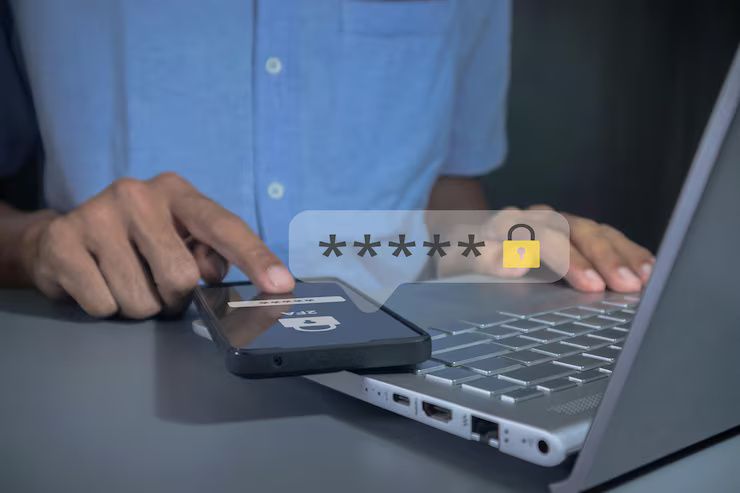
This password protection guide explores how smarter login security habits work in real-world situations, why password management trends continue evolving, and how different security approaches may affect usability, convenience, and long-term digital safety.
Why Password Protection Still Matters in Modern Digital Systems
Even with biometric authentication and advanced device security, passwords remain the primary access layer for many online systems. Businesses, banking applications, cloud services, and social platforms still rely heavily on password-based authentication.
One overlooked factor is how often users reuse passwords across unrelated services. In many cases, a breach on a smaller platform may indirectly affect more important accounts later. Cybersecurity analysts frequently discuss the difference between isolated password protection and ecosystem-wide account security.
For example, a user may secure their online banking login with strong credentials while using similar passwords on entertainment or shopping platforms. If one lower-security platform becomes compromised, attackers may test the same credentials elsewhere through automated login attempts.
This is why password protection performance often depends on overall login behavior rather than one strong password alone.
Understanding Common Password Security Weak Points
Several common habits continue creating vulnerabilities across both personal and professional environments.
Password Reuse Across Platforms
Password reuse remains one of the biggest challenges in account protection. While reusing passwords may improve convenience, it also increases exposure across multiple systems.
A remote employee using identical credentials for collaboration tools, cloud storage, and email services may unintentionally increase organizational risk if one account becomes compromised.
Weak Recovery Systems
In many situations, password recovery methods become weaker than the passwords themselves. Security questions, secondary email accounts, or unprotected phone numbers may create alternative access points for attackers.
The best password protection guide discussions often focus on recovery security because attackers frequently target the easiest entry path instead of the strongest one.
Predictable Password Patterns
Users commonly modify old passwords slightly instead of creating completely new combinations. Adding numbers at the end of familiar phrases may appear secure initially, but predictable structures are easier for automated systems to detect.
The difference between basic password updates and stronger credential rotation usually appears when long-term security exposure becomes a concern.
Comparing Modern Login Security Approaches
Different login security methods serve different needs depending on usability expectations, platform sensitivity, and operational requirements.
| Security Method | Main Strength | Possible Limitation |
|---|---|---|
| Traditional Passwords | Easy to implement | Vulnerable to reuse and phishing |
| Password Managers | Improves credential organization | Depends on master password protection |
| Multi-Factor Authentication | Adds extra verification layer | May reduce convenience slightly |
| Biometric Login | Faster user access | Hardware compatibility varies |
| Passkey Systems | Reduces password dependency | Adoption still evolving |
This password protection comparison shows why many systems now combine multiple approaches rather than relying on one standalone method.
In enterprise environments, layered authentication tends to work when organizations prioritize both accessibility and account security simultaneously.
How Password Managers Influence Security Habits
Password managers have changed how many users approach digital security. Instead of memorizing dozens of credentials, users can generate longer and more complex passwords for different platforms.
However, password protection performance with password managers depends heavily on user behavior. A weak master password may reduce the benefit of the entire system.
For example, businesses managing remote teams often encourage password manager adoption because employees frequently access multiple SaaS platforms daily. Without centralized credential organization, login reuse patterns may increase over time.
One overlooked factor is how password managers also influence browsing behavior. Users sometimes become more willing to create separate accounts for specialized tools because credential management becomes easier.
The Role of Multi-Factor Authentication in Smarter Security
Multi-factor authentication has become a major part of modern account protection strategies. Instead of relying only on passwords, systems require secondary verification through devices, applications, or biometric confirmation.
The real difference appears when password exposure happens silently through phishing attacks or leaked databases. Even if credentials become visible elsewhere, secondary verification may reduce immediate unauthorized access.
In many cases, multi-factor authentication tends to work well for:
- banking systems
- business dashboards
- cloud management platforms
- healthcare portals
- enterprise collaboration tools
However, usability trade-offs still exist. Frequent verification requests may frustrate users who prioritize speed and convenience, especially across multiple daily logins.
This creates an ongoing password protection comparison between convenience-focused systems and security-focused workflows.
Real-World Password Protection Challenges
Modern login environments create challenges that did not exist years ago.
Remote Work Environments
Remote employees often access systems across personal devices, public networks, and temporary workspaces. This expands the number of possible exposure points significantly.
A marketing agency managing distributed teams may rely on dozens of shared platforms daily. Without strong password organization, login inconsistencies and account-sharing risks may increase over time.
Mobile Device Dependency
Smartphones now store banking access, email credentials, cloud storage, and authentication applications together. If device-level protection becomes weak, multiple account layers may become vulnerable simultaneously.
The best password protection strategies increasingly focus on device ecosystems instead of isolated accounts.
Growing Phishing Sophistication
Modern phishing systems often imitate legitimate login portals very convincingly. Users sometimes expose credentials unknowingly even when passwords themselves remain technically strong.
This is why login security habits now involve awareness and verification behavior alongside technical password strength.
Password Protection Trends Changing User Behavior
Several emerging trends continue reshaping digital authentication systems.
Passkey Adoption
Passkeys aim to reduce reliance on traditional passwords entirely. Instead of typed credentials, authentication depends more on encrypted device verification.
Many technology platforms are gradually testing passkey systems because password fatigue continues increasing among users managing large numbers of accounts.
AI-Driven Threat Detection
Security systems increasingly analyze login behavior patterns rather than credentials alone. Suspicious locations, unusual device activity, and irregular access timing may trigger additional verification automatically.
In many cases, password protection performance now involves behavioral analysis as much as password complexity.
Adaptive Authentication
Adaptive systems adjust verification requirements dynamically based on risk factors. Familiar devices may experience simpler login flows while unknown systems trigger stronger verification steps.
The difference between traditional login systems and adaptive authentication appears most clearly in large-scale enterprise environments handling sensitive information.
Decision Thinking Around Smarter Password Habits
The best password protection setup often depends on how users balance convenience, complexity, and digital exposure.
For casual users managing limited accounts, simpler security systems combined with strong password variation may feel manageable. In contrast, businesses handling client data or financial systems usually prioritize layered verification methods and centralized credential management.
One overlooked factor is how security habits evolve over time. Users frequently begin with strong login practices but gradually prioritize convenience as account volume increases.
The real difference appears when systems remain sustainable long term. Security strategies that feel overly complicated sometimes lead users toward unsafe shortcuts later.
This is why many cybersecurity discussions now focus on practical security behavior instead of only technical password strength.
FAQ
Why is password reuse considered risky?
Password reuse increases exposure because one compromised platform may affect multiple unrelated accounts through automated login attempts.
How does multi-factor authentication improve login security?
It adds an additional verification layer beyond passwords, reducing direct access risk after credential exposure.
Are password managers safe for long-term use?
In many cases, password managers improve organization and credential uniqueness, though overall security still depends on master password strength and device protection.
What is the difference between passwords and passkeys?
Traditional passwords rely on typed credentials, while passkeys use encrypted authentication methods linked to devices or biometric systems.
Why do phishing attacks still succeed against strong passwords?
Phishing attacks often target user behavior rather than password complexity by imitating trusted login pages and collecting credentials directly.
Conclusion
Modern password protection involves much more than creating difficult passwords. Login security now depends on user behavior, authentication layers, device ecosystems, and evolving digital risks. As online systems continue expanding across industries, smarter login habits are becoming increasingly important for both personal and professional environments.
The best password protection strategies usually balance usability, layered verification, and long-term sustainability rather than focusing on one isolated method. As authentication technology evolves through passkeys, adaptive verification, and behavioral security systems, the future of login protection may continue shifting toward smarter and less visible security experiences.

Related Post...

Smart Office Automation Controller Systems: Explore How Centralized Control Works
Updated: October 02, 2026
Read More
Retail Inventory Management Tools Insights for Smarter Stock Control
Updated: September 17, 2026
Read More