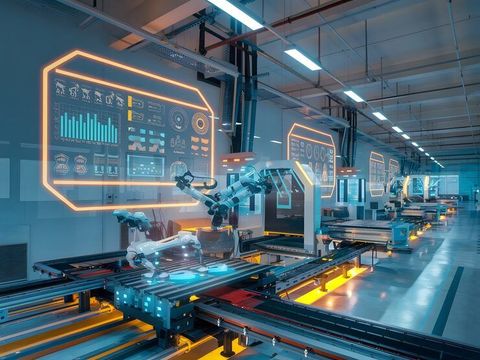
Industrial Energy Management Systems: A Complete Guide to Energy Monitoring and Optimization
Industrial Energy Management Systems (IEMS) are technologies and organizational frameworks used to monitor, analyze, and improve energy consumption in industrial facilities. These systems help manufacturers, processing plants, warehouses, utilities, and other industrial operations understand how energy is used throughout their facilities and identify opportunities to improve efficiency.
The concept of energy management developed as industries sought ways to reduce energy waste, improve operational performance, and address growing environmental concerns. As industrial facilities became more complex, manual tracking methods were often insufficient for understanding energy usage patterns. This led to the development of industrial energy management systems that collect and analyze data from equipment, machinery, and power networks.
Today, industrial energy monitoring solutions use sensors, software platforms, communication networks, and automated controls to provide detailed information about electricity, fuel, steam, compressed air, and other energy resources. These systems can help organizations make informed decisions about energy usage without disrupting production activities.
Many industries now incorporate smart energy management systems industrial facilities use to support sustainability goals and operational planning. Industrial power management systems are increasingly integrated with automation technologies, allowing facilities to monitor energy performance in real time.
Common Components of an Energy Management System
Most industrial energy management systems include several key elements:
- Energy meters and sensors
- Data collection devices
- Monitoring software
- Reporting tools
- Analytics platforms
- Automated control systems
Together, these components create a framework for understanding and managing energy consumption.
Types of Energy Managed
Industrial facilities often track multiple forms of energy:
| Energy Source | Common Industrial Use |
|---|---|
| Electricity | Machinery and equipment |
| Natural Gas | Heating and processing |
| Steam | Manufacturing operations |
| Compressed Air | Production systems |
| Fuel Oils | Industrial heating |
| Renewable Energy | Supplemental power generation |
Monitoring these resources helps organizations understand overall energy performance.
Importance
Improving Resource Efficiency
Energy is a major operational requirement for many industries. Industrial energy efficiency solutions help organizations identify areas where energy use can be optimized without affecting production objectives.
By understanding consumption patterns, facilities can reduce unnecessary energy use and improve resource utilization.
Supporting Environmental Goals
Energy consumption is closely connected to environmental performance. Reducing energy waste may contribute to lower emissions associated with industrial operations.
As environmental awareness grows, organizations increasingly use industrial energy management systems to support sustainability initiatives and responsible resource management.
Enhancing Operational Visibility
Many industrial facilities contain hundreds or even thousands of energy-consuming assets. Monitoring systems provide detailed information about how equipment performs under different operating conditions.
This visibility allows facility managers to:
- Track energy usage trends
- Identify unusual consumption patterns
- Compare equipment performance
- Evaluate operational efficiency
- Support maintenance planning
Access to accurate information helps improve decision-making.
Supporting Infrastructure Planning
Energy data can assist organizations when planning facility expansions, equipment upgrades, or operational changes.
Understanding current energy requirements helps ensure that future infrastructure investments align with operational needs.
Recent Updates
Growth of Artificial Intelligence Applications
One of the most notable trends is the use of artificial intelligence and machine learning within industrial energy monitoring solutions. These technologies can analyze large volumes of operational data and identify patterns that may not be immediately visible through traditional methods.
Advanced systems can generate forecasts and highlight potential efficiency improvements.
Expansion of Smart Energy Platforms
Smart energy management systems industrial facilities use are becoming more connected through cloud-based technologies and industrial communication networks.
Modern platforms often provide:
- Real-time monitoring
- Remote access capabilities
- Automated reporting
- Predictive analytics
- Centralized dashboards
These capabilities improve access to operational information.
Integration with Industrial Automation
Industrial power management systems are increasingly connected to broader automation environments. Energy monitoring is now frequently integrated with production control systems, building management platforms, and operational technologies.
This integration helps organizations view energy performance within the context of overall production activities.
Increased Focus on Carbon Management
Many organizations are placing greater emphasis on environmental reporting and sustainability objectives. Energy management platforms increasingly include tools that help estimate emissions associated with energy consumption.
This trend supports corporate sustainability initiatives and environmental transparency.
Development of Advanced Industrial Energy Optimization Technologies
Advanced industrial energy optimization technologies continue to evolve. Modern systems may include automated controls that adjust equipment operation based on demand, production schedules, and environmental conditions.
These technologies help improve efficiency while maintaining operational stability.
Laws or Policies
Energy Efficiency Regulations
Many countries have introduced regulations encouraging more efficient energy use across industrial sectors. These regulations may include reporting requirements, efficiency standards, or energy management guidelines.
Such measures aim to reduce energy waste and support national sustainability objectives.
Environmental and Climate Policies
Energy consumption is often connected to broader environmental policies. Governments may implement programs that encourage industrial organizations to improve energy performance and reduce emissions.
Common policy areas include:
- Energy conservation
- Emission reduction
- Renewable energy adoption
- Environmental reporting
- Sustainability planning
These initiatives influence industrial energy management strategies.
International Standards
Many organizations follow internationally recognized energy management frameworks. One widely referenced example is ISO 50001, which provides guidance for establishing and maintaining energy management systems.
Standards help organizations create structured approaches to energy improvement.
Utility and Grid Programs
Some regions have utility programs designed to support efficient energy use and grid stability. Industrial facilities may participate in programs related to:
| Program Type | General Objective |
|---|---|
| Demand Management | Reduce peak consumption |
| Energy Monitoring | Improve visibility |
| Grid Reliability | Support stable operations |
| Efficiency Programs | Encourage resource optimization |
| Renewable Integration | Increase clean energy usage |
These programs vary according to local regulations and infrastructure.
Tools and Resources
Energy Monitoring Software
Energy monitoring software is a core component of many industrial energy management systems. These platforms collect information from sensors and meters throughout a facility.
Common features include:
- Real-time dashboards
- Historical trend analysis
- Performance benchmarking
- Automated alerts
- Reporting functions
These tools help organizations evaluate energy performance.
Smart Meters and Sensors
Modern facilities use advanced metering technologies to track energy consumption at detailed levels.
Examples include:
- Electrical power meters
- Gas flow meters
- Steam monitoring devices
- Compressed air sensors
- Temperature sensors
These devices provide the data required for informed analysis.
Energy Auditing Tools
Energy auditing tools help identify areas where improvements may be possible.
Resources often include:
- Data collection templates
- Equipment assessment guides
- Benchmarking tools
- Performance calculators
These resources support structured evaluations of facility operations.
Industry Associations and Research Organizations
Many professional organizations publish information related to industrial energy efficiency solutions and energy management practices.
Available resources may include:
- Technical publications
- Industry reports
- Research papers
- Training materials
- Case studies
These materials contribute to broader understanding of energy management principles.
Analytical and Reporting Platforms
Advanced analytics platforms help organizations process large amounts of operational data. These systems support visualization, forecasting, and performance evaluation.
Energy management consultants industrial organizations work with often use these tools to assess energy performance and identify optimization opportunities.
FAQs
What are industrial energy management systems?
Industrial energy management systems are technologies and processes used to monitor, analyze, and improve energy usage within industrial facilities. They help organizations understand how energy is consumed and identify opportunities for greater efficiency.
How do industrial energy monitoring solutions work?
Industrial energy monitoring solutions collect data from meters, sensors, and equipment throughout a facility. The information is processed through software platforms that provide reports, dashboards, and analytical insights.
What are smart energy management systems industrial facilities use?
Smart energy management systems industrial facilities use combine sensors, software, automation, and data analytics to monitor and optimize energy performance in real time.
What is the role of industrial power management systems?
Industrial power management systems help organizations track electrical consumption, monitor power quality, manage distribution networks, and improve overall energy visibility.
Why are advanced industrial energy optimization technologies becoming more common?
Advanced industrial energy optimization technologies help organizations analyze operational data, automate energy-related decisions, and improve efficiency. Growing interest in sustainability and resource management has increased their adoption across many industries.
Conclusion
Industrial energy management systems play an important role in helping organizations understand and manage energy consumption. These systems combine monitoring technologies, analytics, automation, and reporting tools to support more efficient operations. Recent developments in artificial intelligence, digital monitoring, and energy optimization continue to expand their capabilities. As industries focus on sustainability, operational efficiency, and environmental responsibility, energy management systems remain a valuable component of modern industrial infrastructure.

Related Post...
AI Document Processing: A Guide to Intelligent Document Automation
Updated: September 03, 2026
Read More
Production Technology: A Guide to Modern Manufacturing Systems
Updated: September 01, 2026
Read More
Recycling Machines: A Comprehensive Guide to Sustainable Waste Management
Updated: October 09, 2026
Read More