The concept of LED signage emerged as an alternative to traditional illuminated boards and printed displays. Earlier sign technologies often lacked brightness, flexibility, or durability. LED signs were developed to address these limitations by providing higher visibility, longer operational life, and greater control over displayed content. Over time, advances in digital control systems and display resolution have expanded how LED signs are used.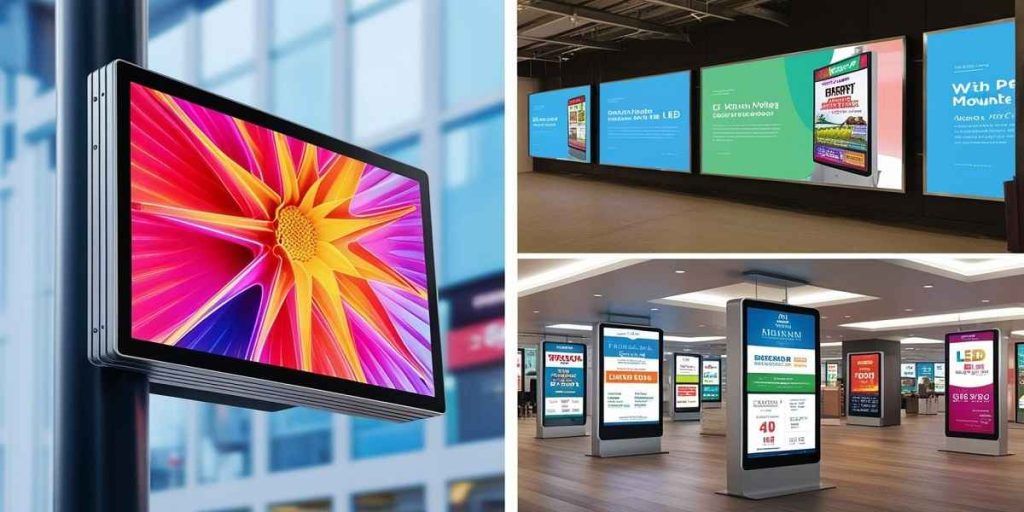
Today, LED signs function as information tools rather than static displays. They allow organizations to update messages quickly, manage multiple display formats, and adapt communication based on location, audience, or timing.
Importance
LED signs are important because visual communication plays a central role in how people navigate spaces, receive updates, and understand messages. These signs affect a wide range of users, including business owners, facility managers, event organizers, transport authorities, and the general public.
Key reasons LED signs matter include:
-
Visibility: LED displays remain readable in daylight, low light, and varying weather conditions.
-
Message clarity: Digital text and graphics reduce ambiguity compared to static signage.
-
Flexibility: Content can be updated without replacing physical materials.
-
Operational efficiency: Centralized control supports consistent messaging across locations.
-
Audience engagement: Motion and color draw attention more effectively than printed signs.
In commercial environments, LED signs help convey operational information, directions, and announcements. In public settings, they support navigation, safety notices, and real-time updates. Their ability to deliver timely information makes them relevant across multiple sectors.
Recent Updates
Recent developments in LED sign technology focus on efficiency, usability, and integration rather than basic illumination improvements. These changes reflect broader trends in digital display and smart infrastructure.
Notable developments in recent periods include:
-
Higher display resolution: Improved pixel density supports clearer text and more detailed visuals.
-
Energy-efficient designs: Optimized power management reduces overall energy consumption.
-
Remote content management: Cloud-based interfaces allow updates from centralized systems.
-
Integration with data sources: LED signs increasingly connect with scheduling, traffic, or facility systems.
-
Improved durability: Enhanced materials support outdoor use in challenging environments.
These updates make LED signs more adaptable and reliable for long-term informational use across different environments.
Laws or Policies
LED signs are subject to regulations related to safety, urban planning, and digital display usage. The specific rules vary by country and region, but several common policy considerations apply.
Typical regulatory factors include:
-
Zoning and signage guidelines: Local authorities may regulate size, placement, and brightness.
-
Road safety standards: LED signs near roadways must avoid distraction and ensure readability.
-
Electrical and installation codes: Compliance with safety standards is required for powered displays.
-
Environmental guidelines: Light emission and energy efficiency may be addressed in urban policies.
Understanding these rules helps organizations deploy LED signs responsibly and in alignment with public safety and planning objectives.
Tools and Resources
Several tools and resources support the planning, management, and evaluation of LED sign systems. These resources help users design effective displays and maintain consistent communication.
Commonly used tools and references include:
-
LED sign management software: Platforms for scheduling, updating, and monitoring display content.
-
Brightness and visibility calculators: Tools used to estimate appropriate luminance levels.
-
Layout and content templates: Standardized formats for text-based and graphical messages.
-
Installation guidelines: Technical documentation covering mounting, wiring, and safety practices.
-
Maintenance reference guides: Materials outlining inspection and operational best practices.
These tools support effective use of LED signs across indoor and outdoor environments.
Common Types of LED Signs
LED signs are available in several formats, each suited to different communication needs.
| LED Sign Type | Primary Use | Typical Environment |
|---|---|---|
| Single-line text displays | Basic messages | Indoor corridors |
| Multi-line message boards | Detailed information | Commercial buildings |
| Full-color LED screens | Visual content | Public spaces |
| Outdoor LED signs | High visibility messaging | Streets and entrances |
| Directional LED panels | Wayfinding | Campuses and facilities |
Choosing the appropriate type depends on message complexity, viewing distance, and environmental conditions.
Business and Organizational Uses
LED signs support a variety of informational and operational uses in organizational settings.
Common applications include:
-
Wayfinding and directions: Guiding visitors through buildings or campuses.
-
Operational updates: Displaying schedules, announcements, or status messages.
-
Safety communication: Sharing alerts or procedural instructions.
-
Brand identification: Presenting names or logos at entrances.
-
Event coordination: Displaying session details or venue information.
These uses highlight how LED signs function as communication tools rather than promotional devices.
FAQs
What are LED signs mainly used for?
LED signs are used to display information, directions, and updates in a clear and visible format.
Are LED signs suitable for outdoor environments?
Yes. Many LED signs are designed to withstand weather exposure while maintaining readability.
How is content updated on LED signs?
Content is typically updated through digital control systems or centralized management software.
Do LED signs consume a lot of energy?
Modern LED signs are designed for energy efficiency compared to older lighting technologies.
Can LED signs display both text and images?
Depending on the model, LED signs can display text, symbols, graphics, and animations.
Conclusion
LED signs play an important role in modern visual communication by providing clear, adaptable, and reliable information displays. Their value lies in visibility, flexibility, and efficient message delivery across commercial and public environments. As display technology continues to improve, LED signs remain a practical solution for organizations seeking effective, real-time communication tools.