The need for metal forming machinery arose from the demand to produce strong, consistent, and precisely shaped metal components for tools, structures, and machinery. Early blacksmithing methods involved manual hammering, but these techniques were limited in scale and precision. As industries expanded, especially during industrialization, mechanical machines were developed to apply controlled force more efficiently.
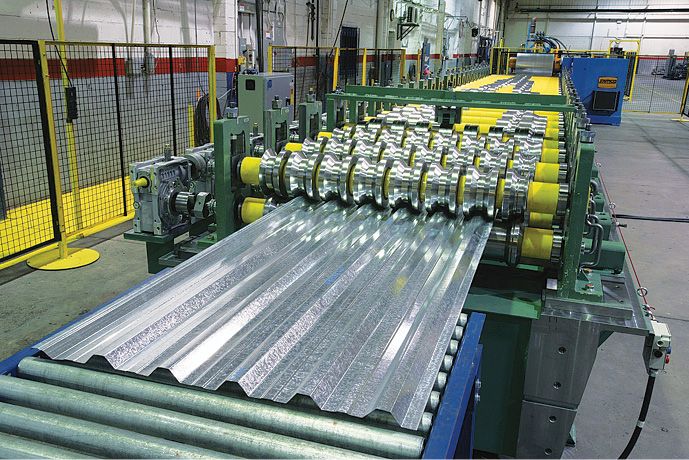
Today, metal forming machinery includes presses, rolling mills, bending machines, forging equipment, stamping machines, and extrusion systems. These machines are used to form metals such as steel, aluminum, copper, and alloys into parts used across construction, automotive, aerospace, electronics, and consumer goods manufacturing. The core purpose remains the same: to produce accurate, repeatable metal components efficiently and reliably.
Importance – Why Metal Forming Machinery Matters Today
Metal forming machinery plays a vital role in modern industrial production, supporting precision, efficiency, and material performance.
Supports Precision Manufacturing
Metal forming machines apply controlled force to shape materials accurately, ensuring consistent dimensions and repeatability in mass production.
Improves Material Strength
Forming processes often enhance the internal grain structure of metals, improving strength, durability, and load-bearing capacity.
Reduces Material Waste
Since metal forming reshapes material rather than removing it, there is less scrap compared to subtractive manufacturing processes.
Enhances Production Efficiency
High-speed presses and automated forming systems enable manufacturers to produce large volumes of components in shorter timeframes.
Serves Multiple Industries
Metal forming machinery is widely used in:
-
Automotive and transportation
-
Construction and infrastructure
-
Aerospace and defense
-
Electrical and electronics manufacturing
-
Industrial equipment production
Solves Manufacturing Challenges
Metal forming machinery helps address:
-
Inconsistent part quality
-
High production costs
-
Excessive material waste
-
Structural weakness in components
In an era focused on precision engineering and cost control, metal forming machinery remains a foundational manufacturing technology.
Recent Updates – Trends and Developments in 2024–2025
The metal forming machinery sector has continued to evolve over the past year, influenced by automation, efficiency goals, and digital technologies.
Increased Automation and CNC Integration (2024)
More forming machines now include CNC controls, allowing precise adjustment of force, speed, and positioning for complex shapes.
Growth of Servo Press Technology
Servo-driven presses gained wider adoption in 2024 due to their energy efficiency, programmable motion control, and improved precision.
Focus on Lightweight Materials
As industries shift toward lightweight designs, forming machinery adapted to handle aluminum alloys and advanced high-strength steels.
Improved Tooling and Die Materials
Advancements in die coatings and materials improved tool life and reduced downtime during forming operations.
Energy Efficiency Improvements
Manufacturers introduced systems designed to reduce energy consumption during high-force operations.
Smart Monitoring and Predictive Maintenance
Digital sensors and monitoring tools became more common, helping operators track machine health and prevent unexpected failures.
These developments show a clear trend toward smarter, more efficient, and more adaptable metal forming solutions.
Laws or Policies – Regulations Affecting Metal Forming Machinery
Metal forming machinery is subject to industrial safety, environmental, and quality regulations that guide responsible operation.
Workplace Safety Regulations
Operators must follow safety rules related to:
-
Machine guarding
-
Emergency stop systems
-
Operator training
-
Safe handling of formed materials
These rules reduce accident risks in high-force environments.
Machinery Safety and Certification Standards
Metal forming equipment must meet standards for structural integrity, electrical safety, and operational reliability before use.
Environmental Regulations
Some forming processes are affected by regulations related to noise levels, energy use, and waste management.
Occupational Health Guidelines
Policies aim to reduce operator exposure to excessive noise, vibration, and repetitive strain.
Industrial Quality Standards
Manufacturers using metal forming machinery often follow quality frameworks to ensure consistent production and traceability.
Compliance with these policies supports safe, reliable, and sustainable manufacturing operations.
Tools and Resources – Helpful Support for Metal Forming Operations
A range of tools and resources help manufacturers plan, operate, and maintain metal forming machinery effectively.
Useful Tools and Resources
| Tool / Resource | Purpose / Benefit |
|---|---|
| Forming Force Calculators | Estimate required pressure for specific metals. |
| Die Design Software | Support accurate tool and die development. |
| CNC Programming Systems | Control automated forming machines. |
| Material Property Databases | Provide data on metal behavior during forming. |
| Maintenance Management Tools | Schedule inspections and servicing. |
| Production Monitoring Dashboards | Track output and machine performance. |
| Operator Training Modules | Improve safety and machine efficiency. |
| Quality Inspection Templates | Support consistent part evaluation. |
These resources help ensure accurate production, reduced downtime, and improved safety.
FAQs – Clear and Factual Answers
What is metal forming machinery?
It is equipment used to shape metal by applying force or pressure without removing material.
How is metal forming different from machining?
Metal forming reshapes material, while machining removes material through cutting or drilling.
Which metals can be formed using metal forming machinery?
Common metals include steel, aluminum, copper, brass, and various industrial alloys.
Is metal forming suitable for high-volume production?
Yes. Metal forming is widely used for mass production due to speed and repeatability.
Does metal forming require skilled operators?
Yes. Skilled operators and technicians are essential for setup, tooling, and safe operation.
Final Thoughts
Metal forming machinery remains a cornerstone of precision production in modern manufacturing. By shaping metals efficiently and consistently, these machines support industries that demand strength, accuracy, and scalability. Recent advances in automation, energy efficiency, and digital monitoring have further enhanced their capabilities. When operated safely and in compliance with regulations, metal forming machinery helps manufacturers achieve reliable production while reducing waste and improving material performance. As industrial demands continue to grow, metal forming technology will remain essential to precision engineering and sustainable manufacturing.