The primary purpose of industrial heat exchangers is to manage temperature in processes where heating or cooling is required. They are commonly found in sectors such as power generation, manufacturing, food processing, chemical production, and heating systems in buildings. By enabling controlled heat transfer, these systems help maintain consistent operating conditions and improve overall efficiency.
How Industrial Heat Exchangers Work
The basic principle behind industrial heat exchangers is simple: heat moves from a hotter fluid to a cooler one. This transfer occurs through a solid surface, such as metal plates or tubes, which separates the fluids. Heat flows naturally from high temperature to low temperature until equilibrium is reached.
Common heat transfer methods include conduction, convection, and sometimes radiation. For example, in a tube-based exchanger, a hot fluid may flow inside tubes while a cooler fluid circulates around them, absorbing heat through the tube walls.
Importance
Industrial heat exchangers play a significant role in maintaining safe and efficient operations across many industries. Without proper heat management, machinery can overheat, processes can become unstable, and energy use can increase unnecessarily.
Key Benefits in Everyday Systems
Even though many people may not directly interact with industrial heat exchangers, their impact is widespread. They are used in:
- Power plants, where they help convert heat into electricity efficiently
- Refrigeration and air conditioning systems, where they regulate indoor temperatures
- Food and beverage processing, ensuring safe temperature control during production
- Automotive systems, including radiators that prevent engine overheating
These applications highlight how industrial heat exchangers contribute to energy conservation, safety, and system reliability.
Challenges Addressed
Industrial heat exchangers help solve several practical challenges, including:
- Temperature control, maintaining stable conditions for sensitive processes
- Energy efficiency, reducing wasted heat by reusing thermal energy
- Equipment protection, preventing damage caused by overheating
- Environmental concerns, lowering emissions through improved energy use
By addressing these issues, they support both industrial productivity and environmental responsibility.
Recent Updates
Recent developments in industrial heat exchangers reflect a growing focus on efficiency, sustainability, and digital monitoring. Advances in materials and design have made modern systems more compact and capable of handling higher pressures and temperatures.
Emerging Trends
Some notable trends observed in recent years include:
- Compact designs, such as plate and microchannel exchangers, which require less space and improve heat transfer rates
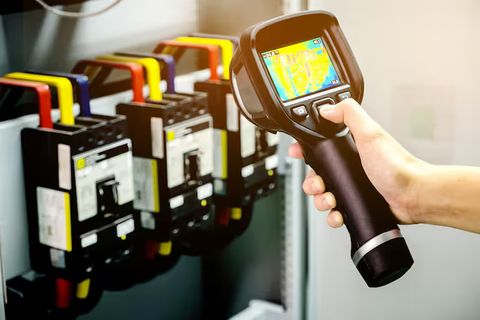
- Smart monitoring systems, using sensors and data analytics to track performance and detect issues early
- Improved materials, including corrosion-resistant alloys and coatings that extend equipment lifespan
- Energy recovery systems, capturing and reusing waste heat in industrial processes
These trends indicate a shift toward more intelligent and environmentally conscious heat management solutions.
Focus on Sustainability
Sustainability has become an important factor in the design and use of industrial heat exchangers. Many industries are working to reduce energy consumption and emissions by improving heat recovery and minimizing losses.
For example, waste heat recovery systems are increasingly used to capture excess heat from industrial processes and reuse it in other operations, reducing the need for additional energy input.
Laws or Policies
Industrial heat exchangers are influenced by various regulations and standards that ensure safety, efficiency, and environmental protection. These rules vary by country but generally focus on equipment design, operation, and maintenance.
Common Regulatory Areas
Key areas covered by regulations include:
- Safety standards, ensuring that heat exchangers can handle pressure and temperature safely
- Environmental rules, limiting emissions and encouraging energy-efficient systems
- Material requirements, specifying the use of safe and durable construction materials
- Inspection and maintenance guidelines, requiring regular checks to prevent failures
In India, regulatory frameworks related to industrial equipment and energy efficiency are guided by agencies such as the Bureau of Indian Standards (BIS) and the Ministry of Environment, Forest and Climate Change.
Compliance and Certification
Manufacturers and operators often follow internationally recognized standards to ensure compliance. These may include:
- ASME codes for pressure vessels
- ISO standards for quality and environmental management
- Energy efficiency guidelines for industrial systems
Adhering to these standards helps maintain consistency and safety across industries.
Tools and Resources
Understanding and managing industrial heat exchangers often involves the use of specialized tools and resources. These tools help engineers and operators design, analyze, and maintain systems effectively.
Commonly Used Tools
Some useful tools and resources include:
- Heat exchanger design software, used to model performance and optimize configurations
- Thermal calculators, which estimate heat transfer rates and efficiency
- Monitoring systems, providing real-time data on temperature, pressure, and flow rates
- Maintenance checklists, helping ensure regular inspection and upkeep
Educational and Reference Materials
For those looking to learn more about industrial heat exchangers, several types of resources are available:
- Technical manuals and textbooks explaining heat transfer principles
- Online courses covering thermal engineering basics
- Industry guidelines published by engineering organizations
- Research articles exploring new materials and technologies
These resources provide valuable information for both beginners and experienced professionals.
Common Types of Industrial Heat Exchangers
The following table outlines some widely used types and their general characteristics:
| Type of Heat Exchanger | Key Feature | Common Use |
|---|---|---|
| Shell and Tube | Tubes inside a cylindrical shell | Power plants, chemical processing |
| Plate Heat Exchanger | Thin plates stacked together | Food processing, HVAC systems |
| Air Cooled | Uses air instead of liquid for cooling | Outdoor industrial setups |
| Double Pipe | Simple pipe-in-pipe design | Small-scale applications |
| Microchannel | Compact with small flow channels | Modern cooling systems |
Each type is designed to suit specific applications based on factors like temperature, pressure, and available space.
FAQs
What are industrial heat exchangers used for?
Industrial heat exchangers are used to transfer heat between fluids in processes such as heating, cooling, and energy recovery. They help maintain stable temperatures in various industrial systems.
How do industrial heat exchangers improve energy efficiency?
They improve energy efficiency by capturing and reusing heat that would otherwise be wasted. This reduces the need for additional energy input and supports more efficient operations.
What are the main types of industrial heat exchangers?
Common types include shell and tube, plate, air-cooled, double pipe, and microchannel exchangers. Each type is designed for specific applications and operating conditions.
Are industrial heat exchangers safe to use?
When designed and maintained according to established standards, industrial heat exchangers operate safely. Regular inspections and proper usage are important for maintaining safety.
Why are industrial heat exchangers important in modern industries?
Industrial heat exchangers are important because they help control temperature, improve efficiency, protect equipment, and support sustainable practices across various industries.
Conclusion
Industrial heat exchangers are fundamental components in modern systems that require controlled heating and cooling. They enable efficient energy use, protect equipment, and support a wide range of industrial and everyday applications. Advances in design and technology continue to improve their performance and sustainability. Understanding their functions and importance helps explain their role in maintaining reliable and efficient processes.