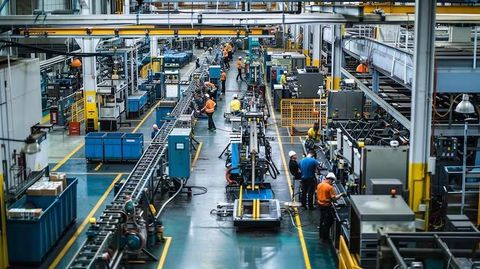
Specialized Laboratory Diagnostics Automation: Explore Modern Testing Workflows
Laboratory diagnostics depends on accurate measurements, reliable sample handling, and timely reporting.
Specialized laboratory diagnostics automation brings these activities together through connected instruments, robotics, software, and controlled workflows that help laboratories process specimens consistently.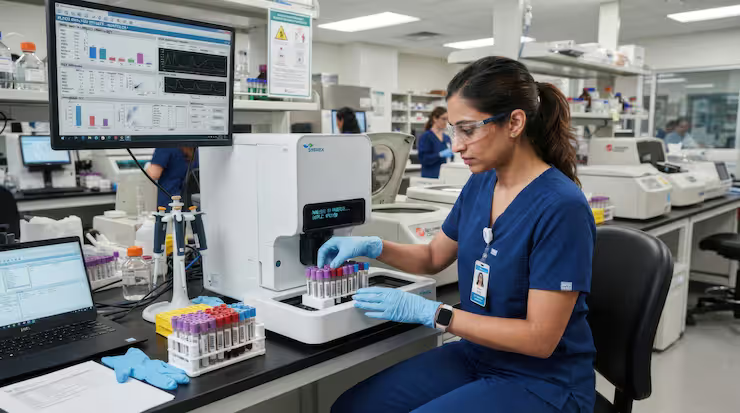
As clinical laboratories manage diverse testing requirements and growing workloads, automation has become an important part of modern laboratory operations. Systems can support repetitive tasks, reduce manual handling, improve traceability, and help laboratory professionals manage complex testing environments.
Understanding how these workflows operate provides insight into the relationship between laboratory equipment, diagnostic information systems, quality management, and human expertise. From sample registration to result verification, each stage contributes to the reliability and efficiency of the overall diagnostic process.
How Automated Diagnostic Workflows Operate
An automated diagnostic workflow coordinates multiple activities that were traditionally performed through separate manual steps. Depending on the laboratory, the process may begin with specimen receipt and registration, continue through preparation and analysis, and finish with technical review and reporting.
A laboratory information system (LIS) can connect patient and specimen records with testing orders, instrument assignments, and results. Barcode identification helps laboratories track individual samples as they move between workstations, reducing the risk of identification errors when implemented with appropriate verification procedures.
Automation does not mean every task occurs without human involvement. Laboratory professionals establish testing protocols, maintain instruments, review quality-control findings, investigate unusual results, and authorize results according to laboratory procedures.
The level of automation depends on the diagnostic discipline, sample volume, available equipment, and complexity of the tests being performed.
Technologies Behind Specialized Laboratory Automation
Modern diagnostic automation combines several technologies that perform different but complementary functions.
Robotic sample handlers can move tubes, position specimens, and transfer materials between designated work areas. Automated pipetting systems dispense measured liquid volumes, while centrifuges separate sample components when required by the testing method.
Analytical instruments then perform measurements using techniques appropriate to the test. These may include clinical chemistry analysis, immunoassays, molecular diagnostics, hematology, or specialized microbiology procedures.
Software connects these physical operations with laboratory records. Middleware can route tests to compatible instruments, monitor workflow status, and transfer analytical results into the LIS. These connections help reduce duplicate data entry and improve visibility across the testing process.
The reliability of the overall system depends on more than individual equipment performance. Instruments, software interfaces, consumables, specimen containers, and laboratory procedures must work together as a coordinated system.
Preparing Samples Before Analysis
Specimen preparation is one of the most important stages in diagnostic testing because analytical instruments depend on samples that meet specific requirements.
When specimens arrive, staff or automated reception systems verify identifiers, check test requests, and assess whether samples meet acceptance criteria. Samples may need to be rejected or held if identification is incomplete, containers are unsuitable, or specimen integrity is compromised.
After registration, automated systems can sort tubes according to test requirements. Some workflows include centrifugation, uncapping, aliquoting, and routing to the appropriate analytical platform. Aliquoting creates separate portions of a specimen for different tests, which can reduce repeated handling of the original sample.
These operations require carefully controlled equipment settings and compatible containers. Incorrect tube identification, unsuitable sample volume, or inappropriate preparation can affect subsequent testing even when the analytical instrument functions correctly.
Automation therefore improves workflow consistency only when specimen acceptance and preparation procedures are properly designed.
Matching Tests to the Right Analytical Systems
Specialized laboratories often operate several analytical platforms because different tests require different methods. An automated workflow must determine which instrument can perform each requested analysis and whether the specimen meets the relevant requirements.
Clinical chemistry analyzers measure substances such as glucose, electrolytes, enzymes, and other biochemical markers. Hematology analyzers examine blood-cell characteristics, while immunoassay systems detect or quantify specific substances through antibody-based reactions.
Molecular diagnostic platforms may automate nucleic acid extraction, amplification, detection, and associated data processing. Microbiology laboratories can use automated systems for tasks such as culture monitoring, organism identification, or antimicrobial susceptibility testing, although many procedures still require specialist interpretation or manual intervention.
Workflow software can direct specimens to the appropriate equipment and manage the sequence of testing. However, instrument compatibility, assay validation, specimen type, and laboratory protocols determine which automated pathways are appropriate.
Quality Control and Result Verification
Automation can improve repeatability, but it cannot guarantee that every result is correct. Diagnostic laboratories must maintain quality systems that identify analytical problems before they affect patient care.
Internal quality control uses designated materials to assess whether an analytical system is performing within established limits. External quality assessment or proficiency testing helps laboratories evaluate their performance against defined comparison criteria.
Automated systems can monitor quality-control measurements and flag results that fall outside laboratory-defined acceptance limits. When a problem occurs, testing may need to pause while staff investigate reagent conditions, calibration, instrument performance, environmental factors, or sample-related issues.
Result verification is another critical safeguard. Laboratory software may apply predefined rules to identify results requiring additional review, such as unexpected values, analytical flags, or inconsistencies with previous measurements. Qualified personnel remain responsible for handling exceptions according to validated procedures and applicable requirements.
Connecting Laboratory Instruments With Information Systems
Data integration is essential when several instruments contribute to a single diagnostic workflow. Without reliable communication, staff may need to enter information manually, reconcile records, or investigate missing results.
An LIS manages laboratory orders, specimen records, workflow status, and reporting. Laboratory middleware can provide an additional coordination layer between instruments and the LIS, particularly when equipment from different manufacturers is involved.
Interfaces may use established healthcare messaging standards, including Health Level Seven (HL7), to exchange relevant clinical and laboratory information. The exact implementation depends on the systems involved and the information being transmitted.
Reliable integration requires more than successful data transfer. Laboratories must verify patient and specimen matching, test codes, units of measurement, reference intervals, flags, and result status. Interface failures should be detectable, documented, and recoverable without silently losing or misassigning data.
Maintaining Accuracy Across Automated Workflows
Automated diagnostic environments require structured maintenance and oversight. Instruments need routine servicing, calibration where applicable, reagent monitoring, software updates, and performance checks. Laboratories must also control environmental conditions when they affect analytical methods or specimen stability.
Validation and verification help establish whether equipment and processes perform as intended for their specific use. Changes to software, instrument configurations, assays, or specimen pathways may require additional assessment before implementation.
Staff training remains essential because automation introduces its own operational risks. Personnel need to understand alarm conditions, system limitations, manual recovery procedures, and the correct response to equipment failures.
Laboratories may use quality-management frameworks such as ISO 15189, which addresses quality and competence in medical laboratories. Applicable accreditation and regulatory requirements depend on the laboratory's location, activities, and intended testing services.
Improving Workflow Efficiency Without Losing Oversight
A well-designed automation strategy focuses on the entire testing pathway rather than the speed of an individual instrument. Faster analysis does not necessarily improve overall turnaround time if specimens accumulate during reception, preparation, review, or reporting.
Laboratories can examine workflow indicators such as specimen-processing time, instrument utilization, repeat-testing rates, error frequency, and the proportion of results requiring manual intervention. These measurements help identify bottlenecks and distinguish equipment limitations from staffing or process-design issues.
Automation can also improve workload visibility by showing where specimens are located and which steps remain incomplete. This information supports more informed decisions about staffing, equipment allocation, and process improvement.
Successful implementation generally requires mapping the existing workflow, defining operational requirements, checking system compatibility, validating the integrated process, and monitoring performance after deployment. The objective is a dependable diagnostic pathway, not simply a larger number of automated tasks.
Frequently Asked Questions
What is specialized laboratory diagnostics automation?
It is the use of connected instruments, robotics, software, and controlled procedures to automate selected activities involved in specimen processing, diagnostic analysis, quality monitoring, and result management.
Which laboratory tasks can be automated?
Depending on the testing discipline, automation may support specimen identification, sorting, centrifugation, aliquoting, liquid handling, analytical testing, result transfer, and selected quality-control checks.
Does laboratory automation eliminate human involvement?
No. Laboratory professionals remain responsible for oversight, troubleshooting, quality management, exception handling, result interpretation where required, and authorized reporting.
How does automation help reduce laboratory errors?
Barcode tracking, standardized liquid handling, instrument interfaces, and automated checks can reduce certain manual errors. However, incorrect setup, unsuitable specimens, software problems, and equipment failures remain possible.
What should a laboratory evaluate before introducing automation?
A laboratory should assess test requirements, specimen volumes, instrument compatibility, information-system integration, available space, validation needs, staff training, maintenance arrangements, and applicable quality standards.
Conclusion
Specialized laboratory diagnostics automation connects specimen handling, analytical testing, quality control, and information management into coordinated workflows. Its value depends on reliable equipment, accurate data exchange, validated procedures, and appropriate professional oversight.
When these elements work together, laboratories can improve process consistency, traceability, and workload management while maintaining the safeguards required for dependable diagnostic results.

Related Post...
Specialized Laboratory Diagnostics Automation: Explore Modern Testing Workflows
Updated: October 01, 2026
Read More
Wire Mesh Conveyor Belt: Explore Designs for Industrial Material Handling
Updated: October 06, 2026
Read More
International Shipping Container Logistics Explore Smarter Cargo Coordination
Updated: October 19, 2026
Read More