Hazardous Chemical Bulk Transportation: Explore Safe Cargo Handling Procedures
Hazardous chemical bulk transportation requires careful coordination between chemical manufacturers, logistics teams, transport operators, and receiving facilities.
Whether chemicals move by road tanker, rail tank car, or specialized bulk container, every stage must account for the substance's physical properties, potential hazards, and handling requirements.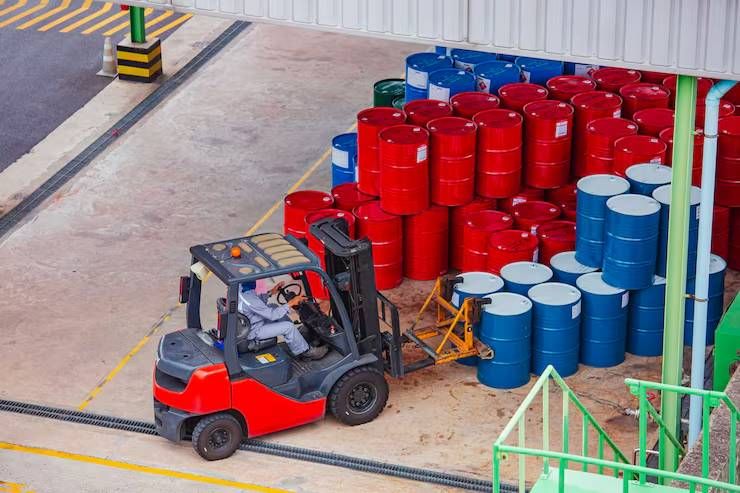
Industrial chemicals support manufacturing, agriculture, energy production, water treatment, and many other operations. Moving these materials in large quantities introduces specific challenges because a leak, incompatible chemical reaction, or equipment failure can expose people and the environment to serious harm.
Understanding safe cargo handling procedures helps organizations manage these risks systematically. From classifying chemicals and preparing transport equipment to loading, route planning, emergency response, and unloading, reliable procedures depend on trained personnel, suitable equipment, and clear operational controls.
How Chemical Classification Shapes Transportation Procedures
Safe transportation begins with identifying the chemical and understanding its hazards. Different substances may be flammable, corrosive, toxic, oxidizing, reactive, or dangerous when exposed to moisture or elevated temperatures. Some materials present multiple hazards that require additional precautions.
Classification determines how a chemical must be packaged, contained, marked, documented, and transported. In international transport, the United Nations Recommendations on the Transport of Dangerous Goods provide a widely used framework for hazard classification and communication. Applicable national regulations establish the requirements that operators must follow in their jurisdiction.
Safety data sheets provide essential information about a chemical's properties, incompatibilities, protective measures, and emergency response considerations. Transport teams should use the current documentation alongside the applicable dangerous-goods classification rather than relying on a product name alone.
The distinction between bulk and packaged transportation also matters. Bulk shipments may involve tank trucks, rail tank cars, or large portable tanks designed for particular substances and operating conditions. The equipment must be suitable for the chemical's properties and the relevant transport regulations.
Preparing Tanks and Equipment Before Loading
Equipment preparation is a critical control point because defects or contamination can turn an otherwise routine shipment into a hazardous event. Before loading, trained personnel should verify that the tank, valves, hoses, seals, fittings, and associated systems are appropriate for the intended cargo.
Inspection procedures should follow the equipment manufacturer's instructions and applicable regulatory requirements. Personnel may need to check for corrosion, damaged connections, leaking valves, faulty pressure-relief devices, or other defects that could compromise containment.
Cleanliness is equally important. Residues from a previous shipment can react with the next chemical or contaminate the product. Cleaning and verification procedures must therefore reflect the cargo's compatibility requirements. Some tanks may be dedicated to particular substances, while others require validated cleaning before reuse.
Grounding and bonding may also be required when handling flammable liquids to control static electricity. The exact precautions depend on the substance, transfer system, and operating environment. Personnel should follow established procedures rather than treating one method as suitable for every chemical.
Safe Loading Procedures for Bulk Chemicals
Loading operations require a controlled work area, suitable equipment, and clear communication between the loading facility and transport operator. Before transfer begins, personnel should confirm the cargo identity, destination, tank suitability, required capacity, and relevant shipping documentation.
The loading connection must be compatible with the chemical and securely attached. Hoses and transfer lines should be inspected for damage, and valves should be positioned according to the approved loading procedure. Unnecessary personnel should remain outside the designated operating area.
Transfer rates and pressure must remain within the equipment's specified limits. Overfilling can create dangerous conditions, particularly when a liquid expands as its temperature rises. Operators must use the required level indicators, alarms, and other safeguards to prevent the tank from exceeding its permitted filling limit.
Depending on the substance, additional controls may include vapor management, temperature monitoring, ventilation, or specialized personal protective equipment. Flammable chemicals may require ignition-source controls, while corrosive substances may require specific protective clothing and splash protection.
Loading should stop if a leak, abnormal pressure, equipment malfunction, or other unsafe condition occurs. Personnel should follow the site's emergency procedure instead of attempting an improvised repair while the transfer remains active.
Maintaining Cargo Safety During Transit
Once a shipment leaves the loading facility, transport planning becomes a major part of risk management. The selected vehicle, tank configuration, route, and operating conditions must suit the chemical and comply with applicable regulations.
Route planning may account for road restrictions, tunnels, bridges, weather conditions, hazardous-material restrictions, and access to emergency assistance. The safest lawful route depends on the cargo, vehicle, infrastructure, and requirements of the relevant authorities.
Drivers and transport coordinators should have the documentation and emergency information required for the shipment. These records help identify the cargo and support appropriate action if an incident occurs. Depending on the jurisdiction and transport mode, requirements may include transport documents, hazard markings, emergency contact details, and written instructions.
Vehicle inspections and maintenance also contribute to safe movement. Tires, brakes, lights, tank fittings, and other relevant components must remain in suitable operating condition. Drivers should follow prescribed inspection intervals and report defects promptly.
Cargo security matters as well. Unauthorized access, tampering, and poorly controlled stops can increase exposure to operational and security risks. Organizations should establish procedures for approved stopping locations, shipment tracking where appropriate, incident reporting, and communication between drivers and dispatch teams.
Managing Chemical Compatibility and Environmental Risks
Chemical compatibility is central to hazardous cargo handling. Substances that are safe when contained separately may react dangerously if they mix. Reactions can generate heat, release toxic gases, increase pressure, or cause fire.
Compatibility assessments should consider the chemical itself, potential residues, tank materials, seals, hoses, cleaning agents, and any other substances that could contact the cargo. A tank suitable for one product may be inappropriate for another, even if both are liquids transported under similar conditions.
Environmental protection must be integrated into normal operations. Facilities may use suitable containment systems, spill-control equipment, drainage protection, and controlled transfer areas to reduce the consequences of accidental releases.
The appropriate controls depend on the chemical and the facility's risk assessment. A small leak of one substance may require a different response from a release involving a volatile, highly corrosive, or water-reactive material. Personnel must understand these differences before handling the cargo.
Unloading Without Compromising Safety
Unloading requires the same discipline as loading. Receiving personnel should verify the shipment identity, confirm that the receiving tank has sufficient capacity, and ensure that the destination is compatible with the incoming chemical.
Connections should be checked before transfer begins. The receiving system must be configured correctly, and the operator should verify the relevant pressure, temperature, flow, and level controls. Where the chemical requires vapor recovery or another specialized arrangement, the specified system should be in place before unloading starts.
Communication between the driver and receiving operator is essential throughout the transfer. Both should understand how to stop the operation and who is responsible for controlling each part of the system.
After unloading, personnel should follow the prescribed procedures for isolating connections, managing residual material, closing valves, and checking for leaks. Any required cleaning, inspection, or documentation should be completed before the equipment is released for another movement.
Emergency Preparedness and Personnel Training
Even well-designed controls cannot eliminate every transportation risk. A practical emergency plan establishes how personnel should respond to leaks, fires, exposure incidents, vehicle collisions, and other foreseeable emergencies.
Training should cover hazard recognition, safe isolation procedures, alarm activation, evacuation, communication, and the limits of an individual's role. Drivers and handlers must know when to withdraw from an incident and contact qualified emergency responders rather than attempting an unsafe intervention.
Emergency equipment must match the hazards involved. Appropriate resources may include communication devices, warning systems, spill-control materials, protective equipment, and firefighting provisions where suitable. Equipment availability alone is insufficient; personnel need training in its proper use.
Organizations should also investigate incidents and near misses. Reviewing failed connections, procedural deviations, recurring equipment defects, or communication problems can reveal weaknesses before they contribute to a more serious event.
Improving Consistency Through Standardized Procedures
Reliable hazardous chemical transportation depends on consistent execution across multiple organizations and operating locations. Written procedures help define responsibilities, inspection requirements, loading limits, communication protocols, and the conditions under which work must stop.
A documented management system can connect equipment maintenance, employee training, shipment records, incident reporting, and regulatory compliance. Periodic audits and operational reviews help confirm that procedures reflect actual working conditions.
Digital systems may support shipment tracking, inspection records, maintenance scheduling, and communication between transport operators and receiving facilities. However, technology does not replace trained judgment, physical inspections, or compliance with mandatory safety requirements.
Continuous improvement comes from using operational evidence to identify risks and correcting weaknesses before they recur. Standardization is most effective when procedures are practical, clearly understood, and reinforced through supervision and training.
Frequently Asked Questions
What equipment is used for hazardous chemical bulk transportation?
Common equipment includes road tank trucks, rail tank cars, and specialized portable tanks. Selection depends on the chemical's properties, required containment, transport mode, and applicable regulations.
Why is chemical compatibility important during loading?
Incompatible substances or residues can react, generate heat, release hazardous gases, or damage containment equipment. Compatibility checks help prevent these reactions before cargo transfer begins.
What should operators do if a chemical leak occurs during transit?
They should follow the applicable emergency instructions, protect themselves and others from exposure, notify emergency responders, and provide accurate cargo information. Untrained personnel should not attempt to contain a hazardous release.
How does training improve bulk chemical transportation safety?
Training helps drivers and handlers recognize hazards, inspect equipment, follow transfer procedures, communicate effectively, and respond appropriately to abnormal conditions.
Which regulations apply to hazardous chemical transportation?
Requirements depend on the country, chemical classification, transport mode, and shipment circumstances. Applicable rules may govern classification, tank specifications, markings, documentation, training, and emergency preparedness.
Conclusion
Hazardous chemical bulk transportation requires coordinated controls from initial classification through final unloading. Suitable equipment, verified chemical compatibility, disciplined transfer procedures, route planning, and emergency preparedness all contribute to safer operations.
The central objective is to prevent incidents through preparation, consistent execution, and continuous improvement. When personnel understand their responsibilities and follow procedures designed for the specific cargo, organizations can better protect workers, communities, infrastructure, and the environment.

Related Post...

International Shipping Container Logistics Explore Smarter Cargo Coordination
Updated: October 19, 2026
Read More
Specialized Laboratory Diagnostics Automation: Explore Modern Testing Workflows
Updated: October 01, 2026
Read More
Wire Mesh Conveyor Belt: Explore Designs for Industrial Material Handling
Updated: October 06, 2026
Read More