Malaysian Island Hopping: Insights Into Islands, Beaches, and Local Experiences
Malaysian island hopping is a popular coastal travel activity that involves visiting several islands during a single trip, usually by ferry, speedboat or organised boat excursion. Surrounded by the Andaman Sea, the Strait of Malacca and the South China Sea, Malaysia has numerous tropical islands with different landscapes, marine habitats and recreational activities.
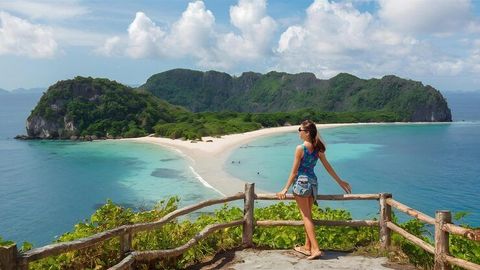
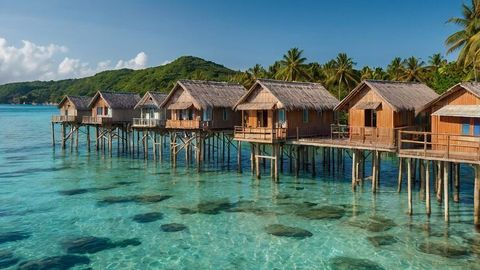
The country's islands are known for white sandy beaches, limestone formations, coral reefs, tropical forests and clear coastal waters. Island hopping allows travellers to experience different environments without spending their entire holiday in one location.
Popular island destinations include Langkawi, the Perhentian Islands, Redang, Tioman, Pangkor and the islands around Kota Kinabalu. Each destination has its own geographical characteristics, transportation arrangements and seasonal conditions.
For example, Langkawi is recognised for its scenic coastal landscapes and accessible boat excursions, while the Perhentian Islands are associated with coral reefs and snorkelling. Redang is known for its marine environment, and Tioman combines beaches with forest-covered mountain scenery.
Island hopping can involve several activities, including:
Visiting multiple beaches and coastal viewpoints.
Exploring coral reefs through snorkelling.
Observing tropical marine wildlife.
Photographing limestone formations and coastal landscapes.
Learning about local fishing communities and island ecosystems.
Exploring designated marine conservation areas.
Understanding the geographical differences between destinations helps travellers select suitable routes and organise their journeys more effectively.
Why Malaysian Island Hopping Matters Today
Island tourism contributes to Malaysia's wider tourism economy by connecting coastal communities, transportation networks, hospitality businesses and environmental conservation initiatives.
It also creates opportunities to understand the country's marine biodiversity and the importance of protecting sensitive coastal ecosystems.
Tourism and local communities
Island hopping supports economic activity in coastal regions, particularly in communities that depend on fishing, hospitality, boat transportation and recreational tourism.
Visitors also contribute to demand for locally prepared food, accommodation, transportation and cultural experiences.
Marine biodiversity awareness
Malaysia's tropical waters contain coral reefs, seagrass habitats, mangrove ecosystems and numerous marine species.
Responsible island visits help introduce travellers to the importance of protecting these environments.
Activities such as guided snorkelling and educational marine excursions can improve awareness of:
Coral reef conservation.
Sea turtle protection.
Marine pollution prevention.
Sustainable fishing practices.
Coastal habitat restoration.
Different travel interests
Malaysian island destinations appeal to several types of travellers.
| Traveller Category | Relevant Island Experience |
|---|---|
| Families | Calm beaches and suitable coastal activities |
| Nature enthusiasts | Marine biodiversity and tropical landscapes |
| Snorkelling enthusiasts | Coral reefs and underwater exploration |
| Photography enthusiasts | Beaches, cliffs and island scenery |
| Adventure travellers | Kayaking, hiking and diving |
| Cultural explorers | Coastal communities and local traditions |
Seasonal travel planning
Weather conditions influence boat schedules, visibility, sea conditions and access to certain islands. Understanding seasonal patterns helps travellers avoid unsuitable travel periods and prepare alternative arrangements.
Recent Developments in Malaysian Island Tourism
Malaysia's island tourism sector has experienced increased attention towards environmental protection, maritime safety and sustainable tourism, particularly in preparation for Visit Malaysia 2026.
Several developments during 2025 and 2026 are relevant to island hopping.
Marine park waste management directive – November 2025
On 18 November 2025, Malaysia announced a requirement for visitors to marine parks to take their rubbish back to the mainland, effective 1 January 2026.
The initiative aims to reduce plastic pollution and protect marine ecosystems. Waste management is particularly important in island environments where limited disposal facilities can create additional environmental pressures.
Travellers should therefore prepare reusable containers and ensure that all waste is carried back to designated disposal locations.
Maritime tourism safety preparations – 2025 and 2026
During August 2025, Malaysia's National Institute of Occupational Safety and Health highlighted the importance of stronger water transportation safety standards ahead of Visit Malaysia 2026.
The announcement followed concerns about maritime accidents and highlighted requirements relating to passenger safety, vessel conditions and relevant maritime regulations.
In 2026, the Malaysian Maritime Enforcement Agency also emphasised preventive monitoring of maritime tourism activities, including registered vessels, life jackets, emergency equipment and weather checks.
Increased attention towards marine conservation
Marine conservation remains an important part of Malaysia's tourism planning. Government agencies continue to manage designated marine parks and promote the protection of coral reefs and aquatic habitats.
Visitors are encouraged to follow local environmental instructions and avoid activities that damage sensitive marine ecosystems.
Visit Malaysia 2026
Visit Malaysia 2026 has placed international attention on the country's tourism destinations, including coastal regions, islands and nature-based travel experiences.
The initiative provides a broader opportunity to highlight Malaysia's natural landscapes, cultural diversity and environmental tourism priorities.
Laws, Regulations and Government Policies
Malaysian island hopping is influenced by maritime legislation, marine conservation regulations, protected-area requirements and local travel guidelines.
Understanding these rules helps travellers participate responsibly.
Marine Park conservation regulations
The Department of Fisheries Malaysia manages designated marine parks under the country's marine conservation framework.
Visitors entering applicable marine parks are required to pay a conservation charge.
The published general rates are:
| Visitor Category | Conservation Charge |
|---|---|
| Malaysian adult | RM5 |
| International adult | RM30 |
| Malaysian child aged 6–12 | RM2 |
| International child aged 6–12 | RM15 |
| Eligible senior citizens | RM2 / RM15 |
| Persons with disabilities | Exempt |
These rates apply to the relevant federal marine parks and may differ from arrangements in Sabah and Sarawak.
The collected revenue supports marine park management and maintenance.
Environmental protection rules
Visitors should follow marine park restrictions and local conservation instructions.
Important environmental practices include:
Do not collect coral, shells or protected marine organisms.
Avoid touching or standing on coral reefs.
Do not feed wild marine animals.
Dispose of rubbish at designated locations on the mainland.
Follow designated swimming and snorkelling boundaries.
Respect protected nesting areas and wildlife habitats.
Maritime transportation requirements
Passenger boats must comply with applicable maritime regulations.
The Merchant Shipping Ordinance 1952 is among the important legal frameworks governing maritime transportation.
Travellers should select vessels that are appropriately registered and maintained. Boats should carry sufficient life jackets and operate within their authorised passenger capacity.
Additional security requirements in Eastern Sabah
Certain coastal and offshore areas of Eastern Sabah have additional security restrictions.
Water transportation in designated coastal districts can be subject to curfews, route restrictions and police permissions.
Some areas also have specific travel advisories because of kidnapping risks. Travellers should check current government guidance before planning island excursions around Eastern Sabah.
Travel documentation
International visitors should check their passport validity, visa requirements and applicable Malaysian entry procedures before departure.
Eligible foreign visitors may also need to complete the Malaysia Digital Arrival Card before arrival, subject to applicable exemptions.
Tools and Resources for Island Travel Planning
Several digital resources and planning tools can help travellers understand Malaysian island destinations, weather conditions, marine conservation requirements and transportation arrangements.
1. Malaysia Tourism Information
Official tourism information provides geographical details about destinations, travel experiences and regional tourism developments.
2. Department of Fisheries Malaysia
This government department provides information about marine parks, conservation charges, protected habitats and environmental management.
3. Malaysian Meteorological Department
Weather forecasts and marine condition updates help travellers assess rainfall, thunderstorms, wind conditions and sea conditions before boat journeys.
4. Malaysian Maritime Enforcement Agency
Maritime safety announcements and official information can help travellers understand navigation restrictions, maritime security and emergency procedures.
5. Navigation and mapping applications
Digital mapping applications help travellers identify jetties, coastal locations, accommodation areas and transportation connections.
Offline maps are particularly useful in destinations where mobile connectivity may be limited.
6. Travel planning checklist
A basic island hopping preparation checklist includes:
Passport and relevant travel documentation.
Confirmed boat departure information.
Weather forecast and marine conditions.
Appropriate clothing and footwear.
Reusable drinking water container.
Sun protection and personal medication.
Waterproof protection for electronic equipment.
Travel insurance covering relevant water activities.
Emergency contact information.
Frequently Asked Questions
1. What are the most popular Malaysian island hopping destinations?
Langkawi, the Perhentian Islands, Redang, Tioman, Pangkor and the islands around Kota Kinabalu are among the recognised destinations. Each location has different coastal landscapes, marine environments and recreational activities.
2. When is the most suitable time for Malaysian island hopping?
The suitable period depends on the destination. Malaysia's east coast islands generally experience stronger monsoon conditions between November and February, while some west coast destinations have different seasonal patterns. Travellers should check local weather and boat schedules before departure.
3. Are marine park conservation charges applicable to international visitors?
Yes. Visitors to applicable federal marine parks generally pay a conservation charge. The published standard rate for international adults is RM30, although specific arrangements can differ in Sabah and Sarawak.
4. What safety precautions should travellers follow during island hopping?
Travellers should use appropriately registered boats, check weather conditions, wear suitable life jackets and follow the boat operator's safety instructions. They should also avoid overloaded vessels and understand emergency procedures before departure.
5. Are all Malaysian islands accessible throughout the year?
No. Seasonal weather, monsoon conditions, sea conditions, conservation restrictions and transportation schedules can affect accessibility. Some east coast island destinations experience temporary reductions in boat operations during the northeast monsoon.
Conclusion
Malaysian island hopping combines coastal exploration, marine biodiversity, recreational activities and opportunities to understand local communities. Destinations such as Langkawi, Redang, Tioman and the Perhentian Islands demonstrate the geographical and environmental diversity of Malaysia's island regions.
Successful travel planning requires more than selecting attractive beaches. Seasonal weather, maritime transportation, conservation charges, safety regulations and local environmental policies all influence the overall experience.
Recent developments, including the marine park waste management directive introduced in January 2026 and increased maritime safety attention ahead of Visit Malaysia 2026, demonstrate the importance of responsible island tourism.
By understanding destination characteristics, following government regulations and respecting marine ecosystems, travellers can explore Malaysia's islands while supporting the long-term protection of its coastal environments.

Related Post...



Discover Alaskan Wildlife Cruises: Wildlife, Destinations, and Highlights
Updated: November 03, 2026
Read More