Discover Desert Winter Retreats Through Nature, Culture, and Outdoor Adventures
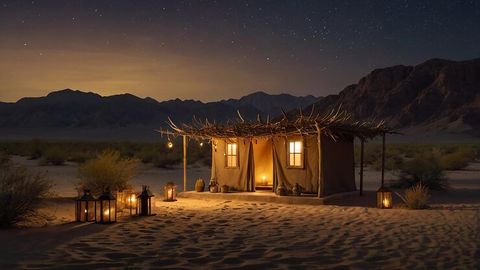
Desert winter retreats are seasonal travel experiences designed around the unique landscapes, comfortable daytime temperatures, and cultural attractions of desert regions. Unlike extremely hot summer periods, winter often creates more suitable conditions for exploring sand dunes, rocky valleys, desert wildlife, and traditional settlements.
Many desert destinations experience significant temperature differences between daytime and nighttime. During winter, daytime conditions can be pleasant for outdoor exploration, while evenings may become considerably colder. This seasonal variation influences accommodation planning, clothing requirements, transportation, and recreational activities.
Popular desert destinations include the Sahara Desert in North Africa, the Arabian Desert in the Middle East, the Thar Desert in India and Pakistan, and the Mojave Desert in the United States.
Winter desert accommodation ranges from traditional desert camps and luxury desert resorts to eco-lodges, private desert villas, and contemporary glamping facilities. These options combine natural surroundings with different levels of comfort and privacy.
Common experiences associated with desert winter retreats include:
Luxury desert accommodation and private wilderness stays.
Desert glamping with temperature-controlled facilities.
Guided camel excursions and landscape exploration.
Stargazing and nighttime astronomy.
Traditional cultural activities and regional cuisine.
Photography, hiking, and wildlife observation.
The main attraction is the opportunity to experience desert environments during a season when outdoor activities can be more manageable.
Why Desert Winter Retreats Matter Today
Desert winter tourism has become an important part of the wider travel industry because it connects seasonal tourism, environmental awareness, cultural exploration, and outdoor recreation.
Comfortable Seasonal Travel Conditions
Extreme summer temperatures can make outdoor activities difficult in many desert regions. Winter generally provides more comfortable daytime conditions, although temperatures vary considerably depending on altitude, location, and weather patterns.
This makes winter particularly relevant for visitors interested in desert hiking, guided excursions, photography, and landscape exploration.
Growth of Luxury Desert Accommodation
Luxury desert resorts, private desert villas, and premium glamping facilities have expanded the range of accommodation available in remote destinations.
Modern facilities may include:
Climate-controlled guest accommodation.
Private outdoor observation areas.
Traditional architectural designs.
Astronomy and stargazing facilities.
Wellness and relaxation spaces.
Environmentally conscious construction.
These developments demonstrate how hospitality planning is adapting to travellers seeking privacy, natural surroundings, and distinctive accommodation experiences.
Cultural and Environmental Importance
Desert retreats can introduce visitors to regional traditions, architecture, food, crafts, and local history. Community participation can also contribute to cultural preservation and regional economic activity.
Responsible tourism is particularly important because desert ecosystems are sensitive to unnecessary vehicle movement, waste, excessive water consumption, and disturbance of wildlife.
Comparison of Major Winter Desert Destinations
| Destination | Main attraction | Typical winter experience |
|---|---|---|
| Sahara, Morocco | Sand dunes and cultural heritage | Desert camping and stargazing |
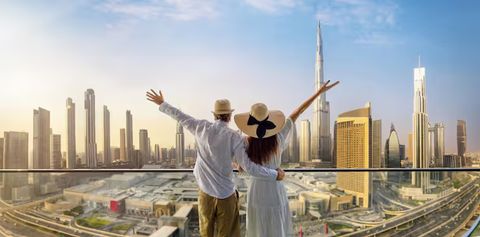
| Dubai, UAE | Luxury desert resorts | Desert excursions and outdoor dining |
| Jaisalmer, India | Thar Desert landscapes | Camel excursions and cultural programs |
| Wadi Rum, Jordan | Rocky desert scenery | Guided exploration and overnight camps |
| Mojave, USA | Desert parks and geology | Hiking and landscape photography |
| Namib Desert, Namibia | Sand dunes and wildlife | Nature observation and photography |
Each destination has different weather conditions, cultural expectations, and environmental requirements.
Recent Updates and Emerging Trends in Desert Winter Tourism
During 2025 and 2026, seasonal tourism developments have highlighted changing traveller preferences, new destination initiatives, and increased attention to sustainable tourism.
Saudi Arabia's Winter Tourism Development in 2026
In November 2026, the Saudi Tourism Authority introduced a Northern Route as part of its Saudi Winter 2026 program. The approximately 1,200-kilometre journey connects Riyadh with Jubbah in the Hail region and includes 16 stops and more than 130 experiences.
The initiative combines desert landscapes, outdoor activities, cultural heritage, and regional attractions. It illustrates how winter tourism development is increasingly incorporating longer road journeys and multiple destinations into one travel experience.
New Seasonal Accommodation in Jaisalmer
In November 2026, a new seasonal desert camp was introduced in Kanoi near Sam Sand Dunes in Jaisalmer, India. The property includes 20 accommodation units, combining Swiss tents, mud houses, and African-style cottages.
Its seasonal operating period reflects the importance of winter tourism in Rajasthan, where October through February is a significant period for desert travel.
Growing Interest in Experience-Based Tourism
Recent tourism research highlights increasing attention to meaningful travel experiences, environmental sustainability, and destination resilience.
The OECD Tourism Trends and Policies 2026 report emphasizes the importance of managing visitor numbers, preparing for extreme weather, and strengthening local community participation.
These priorities are relevant to desert destinations because natural resources, visitor infrastructure, and local ecosystems require careful management.
Important Trends for 2026
| Tourism trend | Development | Potential impact |
|---|---|---|
| Luxury desert glamping | More varied accommodation formats | Greater accommodation choice |
| Cultural exploration | Increased attention to regional heritage | Stronger cultural engagement |
| Sustainable tourism | Environmental management practices | Better ecosystem protection |
| Winter road journeys | Multi-destination travel routes | Broader regional exploration |
| Astronomy tourism | Interest in dark-sky environments | More nighttime activities |
Overall, the latest developments indicate that desert winter tourism is moving beyond traditional camping toward more diverse, experience-focused travel.
Laws and Policies Affecting Desert Winter Retreats
Desert tourism is influenced by environmental protection legislation, national park regulations, wildlife conservation policies, transportation requirements, and accommodation standards.
There is no single international law governing all desert retreats. Visitors must understand the rules of their chosen destination.
Environmental Protection and National Parks
Protected desert areas may have restrictions concerning vehicle movement, camping locations, waste disposal, and wildlife observation.
For example, the United States Fish and Wildlife Service establishes specific visitor rules for the Desert National Wildlife Refuge in Nevada. Certain off-highway vehicles are prohibited to protect natural and cultural resources.
Visitors should:
Remain on designated roads and approved trails.
Follow camping and entry restrictions.
Avoid disturbing wildlife and vegetation.
Carry waste out of protected areas.
Follow instructions from park authorities.
Wildlife and Conservation Regulations
Desert environments support specialised wildlife that can be affected by excessive noise, artificial lighting, and uncontrolled recreational activities.
National and regional conservation authorities may restrict access to sensitive habitats, regulate wildlife observation, and establish seasonal protection measures.
Accommodation and Tourism Regulations
Desert camps, resorts, and temporary accommodation facilities may need to comply with local building standards, fire safety requirements, sanitation rules, land-use regulations, and tourism registration requirements.
In India, Rajasthan's tourism development framework includes initiatives relating to desert tourism, rural tourism, and camping facilities. Such developments remain subject to applicable land, environmental, and local administrative requirements.
Travel Documentation and Safety Requirements
International visitors should also check:
Passport validity and applicable visa conditions.
Local identification and registration requirements.
Driving permits and vehicle regulations.
Protected-area entry permissions.
Travel insurance conditions.
Local restrictions concerning photography and cultural sites.
Regulations differ between countries and sometimes between individual protected areas. Checking official government guidance before travelling is essential.
Tools and Resources for Planning Desert Winter Retreats
Planning a winter desert journey requires reliable information about weather, accommodation, transportation, protected areas, and outdoor safety.
Weather Forecasting and Climate Information
Weather forecasting tools help travellers understand daytime temperatures, nighttime cooling, wind conditions, and possible sandstorms.
Useful resources include:
Weather forecasting applications: Monitor temperature changes, wind speed, humidity, and precipitation.
Climate information platforms: Compare seasonal weather patterns across different desert regions.
Satellite weather monitoring: Understand larger weather systems that may affect remote destinations.
Travel Planning and Navigation Tools
Navigation is particularly important in remote desert environments, where mobile connectivity may be limited.
Helpful resources include:
Offline maps for navigation without continuous internet connectivity.
GPS applications for identifying approved routes.
Digital travel itineraries for organising transportation and accommodation.
Government tourism information for destination-specific travel guidance.
National park information systems for protected-area regulations.
Accommodation and Budget Planning
A desert winter accommodation comparison can help travellers understand differences between luxury desert resorts, traditional camps, and eco-friendly lodges.
The following factors are useful when comparing accommodation:
Evaluation factor | What to examine |
|---|---|
Accommodation type | Luxury resort, glamping, or traditional camp |
Temperature control | Heating and cooling facilities |
Location | Distance from towns and attractions |
Environmental practices | Water conservation and waste management |
Safety | Emergency arrangements and communication |
Activities | Guided excursions and cultural experiences |
Personal Preparation Checklist
Before travelling, consider preparing:
Warm clothing for cold desert evenings.
Sun protection and suitable daytime clothing.
Comfortable walking footwear.
Drinking water and personal hydration supplies.
First-aid essentials and necessary medications.
Portable charging equipment.
Emergency contact information.
Copies of important travel documents.
Good preparation can make remote desert travel more comfortable and help reduce avoidable risks.
Frequently Asked Questions About Desert Winter Retreats
1. What is the best time to visit a desert winter retreat?
The most suitable period depends on the destination. Many desert regions in the Northern Hemisphere experience their main winter travel period between November and February. Southern Hemisphere destinations have opposite seasonal patterns. Visitors should compare local weather conditions before selecting travel dates.
2. Are desert destinations cold during winter?
Yes. Although some deserts have pleasant daytime temperatures during winter, nighttime temperatures can fall considerably. High-altitude deserts and regions with clear skies may experience particularly cold nights. Appropriate clothing and suitable accommodation heating are important considerations.
3. What activities are available at luxury desert retreats?
Common activities include guided desert excursions, camel riding, hiking, stargazing, cultural demonstrations, wildlife observation, and landscape photography. Availability depends on local regulations, weather, and the facilities provided at individual destinations.
4. What is the difference between desert glamping and traditional desert camping?
Desert glamping generally combines outdoor surroundings with more developed accommodation facilities, such as furnished tents, private bathrooms, and temperature control. Traditional desert camping may involve simpler sleeping arrangements and fewer facilities. Both provide opportunities to experience desert landscapes, but their comfort levels differ.
5. How can travellers choose an environmentally responsible desert retreat?
Travellers can examine water conservation practices, renewable energy use, waste management, wildlife protection policies, and community participation. Choosing accommodation that follows recognised environmental guidelines can help reduce the environmental impact of desert tourism.
Conclusion
Desert winter retreats represent an interesting combination of seasonal travel, luxury desert accommodation, cultural exploration, and outdoor recreation. Comfortable daytime conditions in many desert regions make winter an important period for activities such as hiking, stargazing, landscape photography, and guided desert exploration.
Developments during 2025 and 2026 also demonstrate how destinations are expanding winter tourism through new travel routes, seasonal accommodation, and experience-focused activities.
However, responsible planning remains essential. Visitors should understand local environmental regulations, prepare for significant temperature differences, respect regional traditions, and choose accommodation with appropriate safety and environmental practices.
As sustainable tourism and experience-based travel continue to develop, desert winter retreats are likely to remain an important part of the international seasonal travel landscape.

Related Post...

Art Gallery Shopping Holidays: Tips for Discovering Unique Galleries Worldwide
Updated: November 24, 2026
Read More
Discover Alaskan Wildlife Cruises: Wildlife, Destinations, and Highlights
Updated: November 03, 2026
Read More
Beaches of the Maldives Guide: Discover Their Natural Beauty and Unique Features
Updated: November 04, 2026
Read More