Art Gallery Shopping Holidays: Tips for Discovering Unique Galleries Worldwide
Art gallery shopping holidays combine cultural travel, artistic exploration, and visits to galleries, creative districts, and exhibition spaces. These trips allow visitors to discover paintings, sculptures, photography, handmade objects, and other forms of artistic expression while experiencing the cultural identity of different destinations.
Unlike conventional holidays that focus mainly on sightseeing, art-focused travel places greater attention on creativity, history, design, and local artistic communities. Visitors may explore established galleries, independent exhibition spaces, contemporary art museums, and traditional craft districts.
Many destinations organize seasonal exhibitions, cultural festivals, and special gallery events during holiday periods. These activities make art galleries an interesting part of travel planning, particularly for people interested in fine art, contemporary design, cultural heritage, and international art markets.
Art gallery shopping holidays can involve different activities, including:
Exploring permanent and temporary art exhibitions.
Discovering paintings, sculptures, and contemporary artwork.
Visiting independent galleries and creative neighborhoods.
Learning about local artists and traditional artistic techniques.
Exploring art fairs, cultural festivals, and design exhibitions.
Understanding the history and background of different art movements.
Why Art Gallery Shopping Holidays Matter Today
Art-focused holidays contribute to cultural tourism by connecting visitors with creative communities and historical locations. They also provide opportunities to understand how artistic traditions differ across countries and generations.
For travelers, these experiences offer more than ordinary sightseeing. They encourage learning, cultural appreciation, and meaningful engagement with local communities.
Several groups benefit from this form of tourism:
Cultural Travelers
People interested in history, architecture, design, and creative traditions can explore destinations through their artistic identity. Gallery visits also provide opportunities to understand the cultural influences behind different artworks.
Art Collectors and Enthusiasts
Visitors interested in fine art, contemporary paintings, sculptures, and collectible artwork can learn about artists, exhibition histories, artistic techniques, and the international art market.
Families and Students
Art galleries can provide educational experiences for younger visitors. Interactive exhibitions, workshops, and guided tours help explain artistic concepts in accessible ways.
Local Creative Communities
Cultural tourism supports awareness of local artists, independent galleries, museums, and creative districts. Increased visitor interest can also strengthen connections between cultural institutions and international audiences.
Another important benefit is the development of more diverse travel experiences. Instead of visiting only popular attractions, travelers can explore smaller galleries, historic neighborhoods, and regional artistic communities.
Recent Updates and Trends in Art Gallery Tourism
The international art market and gallery landscape continued to evolve during 2025 and 2026. Changes in visitor preferences, digital engagement, international exhibitions, and cultural tourism have influenced how people discover and experience artwork.
Growth in the Global Art Market
The Art Basel and UBS Global Art Market Report 2026 estimated that worldwide art market sales reached approximately $59.6 billion in 2025, representing a 4% increase compared with 2024. This indicates renewed activity across several parts of the international art market.
The report also identified increased activity in gallery and public auction transactions, although performance varied between regions and market segments.
Greater Interest in In-Person Experiences
Physical gallery visits and international art fairs remain important for discovering artwork. Visitors increasingly value opportunities to experience exhibitions directly, understand artistic techniques, and engage with cultural environments.
In 2025, art fairs accounted for approximately 35% of dealer sales by value, according to the 2026 Art Basel and UBS report.
Digital Art Discovery
Digital platforms continue to influence how travelers research exhibitions and cultural destinations. Online exhibition previews, digital collections, virtual tours, and gallery applications help visitors understand what is available before arriving.
However, digital engagement does not completely replace the experience of viewing original artwork in person.
Art Destinations and Cultural Travel
Another developing trend involves galleries becoming cultural destinations rather than exhibition spaces alone. Some institutions combine exhibitions with gardens, architecture, educational activities, and community events.
This approach encourages visitors to spend more time exploring the surrounding cultural environment.
Growing Representation of Female Artists
The 2026 Art Basel and UBS report highlighted progress in female artist representation. Women represented approximately 50% of artists represented by primary-market galleries in 2025. This development reflects gradual changes in international gallery representation, although inequalities remain across different market segments.
Laws, Policies, and Regulations Affecting Art Gallery Holidays
Art gallery shopping holidays involve several legal considerations. Regulations differ between countries, particularly regarding cultural heritage, artwork transportation, intellectual property, taxation, and international trade.
Travelers should understand the relevant rules before participating in international art activities.
Cultural Heritage Protection
Many countries have laws protecting historically significant artwork, archaeological objects, and traditional cultural materials.
These regulations may restrict the movement or export of certain objects. For example, the United Kingdom has export licensing requirements for specific cultural objects, while European Union regulations establish controls concerning the import and export of cultural goods.
Artwork Import and Export Regulations
Travelers carrying artwork across international borders may need to follow customs declarations and documentation requirements.
Important considerations include:
Country of origin and ownership documentation.
Customs declarations for internationally transported artwork.
Export permissions for protected cultural objects.
Import restrictions affecting particular materials.
Additional documentation for valuable or historically significant items.
Copyright and Intellectual Property
Copyright laws protect original artistic creations in many countries. Purchasing a physical artwork does not automatically transfer the copyright or reproduction rights.
Visitors should distinguish between owning an original painting and having permission to reproduce its image commercially.
Taxation and Consumer Protection
International purchases may involve sales tax, value-added tax (VAT), customs duties, or other applicable taxes. Rules vary depending on the destination and the nature of the transaction.
Consumer protection regulations may also establish requirements concerning authenticity information, transaction documentation, and representations made about artwork.
Travelers should consult official government customs and cultural heritage authorities before transporting artwork internationally.
Helpful Tools and Resources for Art Gallery Holidays
Planning an art-focused holiday becomes easier with digital research tools and cultural information platforms. These resources help travelers identify exhibitions, understand artistic movements, and organize visits.
Google Arts & Culture
This digital platform provides access to online exhibitions, cultural collections, historical information, and educational material from institutions around the world.
Museum and Gallery Websites
Official gallery websites provide information about exhibition schedules, opening hours, visitor guidelines, accessibility, and educational activities.
Google Maps
Digital mapping tools help visitors identify galleries, museums, cultural districts, and nearby attractions. They are also useful for organizing multiple gallery visits within one travel itinerary.
Art Basel
Art Basel provides information about international art fairs, contemporary artists, gallery participation, and developments in the global art market.
Artsy
Artsy provides information about artists, galleries, exhibitions, and different categories of artwork. It can help visitors become familiar with contemporary art and gallery environments.
Travel Planning Applications
Travel planning applications help organize accommodation details, transportation schedules, cultural attractions, and daily itineraries.
The following table summarizes useful resources:
| Resource | Main Purpose |
|---|---|
| Google Arts & Culture | Digital art collections |
| Google Maps | Gallery locations |
| Art Basel | International art fairs |
| Artsy | Artist and gallery information |
| Official gallery websites | Exhibition schedules |
| National customs websites | Artwork transportation rules |
| Museum websites | Cultural and educational information |
Using these resources together can help travelers prepare for different destinations while avoiding unnecessary planning difficulties.
Frequently Asked Questions
1. What are art gallery shopping holidays?
Art gallery shopping holidays are cultural travel experiences focused on exploring galleries, exhibitions, artistic neighborhoods, and creative destinations. They combine tourism with opportunities to learn about different art forms and artistic traditions.
2. Which destinations are popular for art gallery holidays?
Popular destinations include Paris, London, New York, Florence, Madrid, Amsterdam, and Tokyo. These cities have established cultural institutions, contemporary galleries, historical collections, and international exhibition programs.
3. What types of artwork can visitors discover?
Visitors can explore paintings, sculptures, photography, contemporary installations, traditional crafts, decorative arts, and mixed-media creations. The available collections depend on the gallery and destination.
4. Can travelers transport artwork internationally?
Yes, but transportation requirements depend on the artwork, its origin, destination, and cultural significance. Certain objects may require export permits, customs declarations, or additional documentation.
5. How can travelers prepare for an art-focused holiday?
Travelers can research exhibition schedules, identify galleries, review opening hours, understand local transportation, and check international artwork regulations. Planning visits around cultural festivals and temporary exhibitions can also make the experience more informative.
Conclusion
Art gallery shopping holidays provide an opportunity to combine international travel with cultural exploration and artistic discovery. From contemporary exhibitions and traditional craftsmanship to historical collections and international art fairs, these experiences introduce visitors to different creative traditions.
The growing importance of in-person exhibitions, digital art discovery, and cultural tourism continues to influence the international gallery environment. Understanding local regulations, researching exhibition schedules, and exploring reliable cultural resources can help travelers plan more informed experiences.
Ultimately, art-focused holidays offer a meaningful way to discover the relationship between creativity, cultural heritage, and international travel.

Related Post...
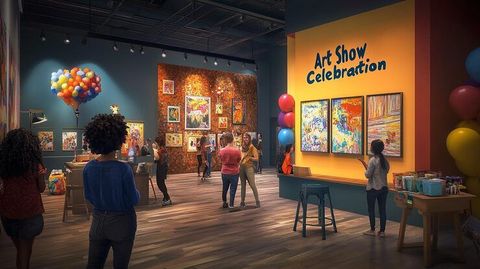
Art Gallery Shopping Holidays: Tips for Discovering Unique Galleries Worldwide
Updated: November 24, 2026
Read More
4x4 Off-Road Challenges: An Overview of Terrain, Obstacles, and Vehicle Skills
Updated: November 03, 2026
Read More