The need for industrial autoclaves emerged from industries that require contamination control, material integrity, or secure processing conditions. Sectors such as healthcare manufacturing, pharmaceuticals, aerospace composites, food processing, and laboratory operations rely on these systems to ensure that materials meet strict operational and safety standards. Without controlled pressure and temperature, many industrial processes would face quality inconsistencies or safety risks.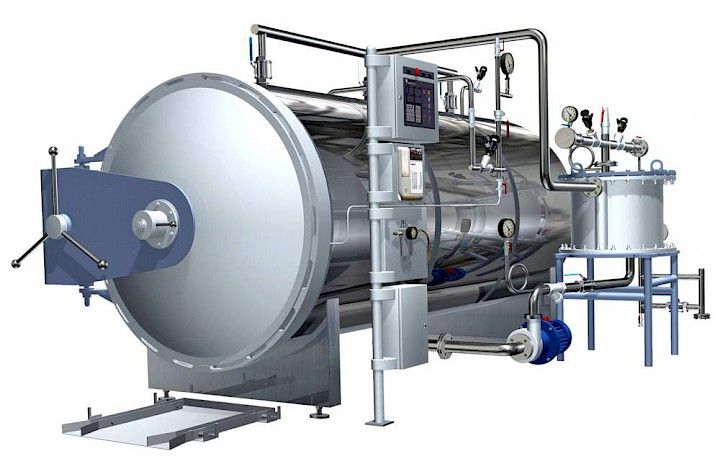
Industrial autoclaves exist to support processes where standard heating methods are insufficient. By combining steam or other heating media with pressure control, they enable processes that demand reliability, traceability, and controlled environments.
Importance: Why Industrial Autoclaves Matter in Modern Operations
Industrial autoclaves play a critical role in secure processing systems because they directly influence safety, quality, and process reliability. Their importance extends across multiple industries and affects engineers, quality teams, compliance professionals, and operations managers.
Key reasons industrial autoclaves are important include:
-
Process integrity: Controlled pressure and temperature ensure consistent treatment outcomes.
-
Contamination control: Autoclaves help eliminate biological or chemical contaminants in sensitive environments.
-
Material performance: In sectors such as aerospace or composites, autoclaves support precise curing and bonding.
-
Operational safety: Secure chambers reduce exposure to hazardous conditions.
-
Regulatory alignment: Many regulated industries require validated sterilization or treatment processes.
Industrial autoclaves help solve challenges related to inconsistent processing, contamination risks, and compliance requirements. Their role becomes especially significant in environments where even minor process deviations can lead to safety or quality concerns.
Recent Updates: Developments Shaping Industrial Autoclave Systems
Recent developments related to industrial autoclaves focus on process control, efficiency, and system integration rather than fundamental design changes. These updates reflect broader trends in industrial automation and quality assurance.
Notable developments observed in recent periods include:
-
Enhanced process monitoring: Improved sensors and control systems provide more accurate tracking of temperature, pressure, and cycle parameters.
-
Automation integration: Autoclaves are increasingly connected with centralized manufacturing control systems.
-
Energy optimization approaches: Design improvements aim to reduce energy consumption during extended cycles.
-
Improved data logging: Digital records support traceability and compliance documentation.
-
Material-specific process profiles: Systems are increasingly configured for specific materials or sterilization requirements.
These developments strengthen the reliability and adaptability of industrial autoclaves within secure processing environments.
Laws or Policies: Regulatory Influence on Industrial Autoclave Use
Industrial autoclaves operate within regulatory frameworks that address safety, quality control, and process validation. While specific regulations vary by country and industry, several common policy areas influence their use.
Key regulatory considerations typically include:
-
Industrial safety standards: Requirements related to pressure vessel operation, operator safety, and equipment safeguards.
-
Quality assurance regulations: Rules governing sterilization, validation, and process documentation in regulated industries.
-
Environmental compliance guidelines: Policies addressing energy use, emissions, and waste handling.
-
Sector-specific frameworks: Additional oversight in industries such as pharmaceuticals, medical manufacturing, and food processing.
These laws and policies ensure that industrial autoclaves are operated responsibly and that secure processing systems meet defined safety and quality expectations.
Tools and Resources: Supporting Industrial Autoclave Operations
Several tools and reference resources support the effective operation and evaluation of industrial autoclaves. These resources help organizations maintain consistency and improve understanding of system performance.
Commonly used tools and resources include:
-
Process monitoring dashboards: Interfaces used to track cycle parameters and performance indicators.
-
Validation documentation frameworks: Templates and references for recording process verification results.
-
Material compatibility guides: References outlining how different materials respond to pressure and heat.
-
Operational checklists: Structured lists supporting routine inspection and safe operation.
-
Standards reference libraries: Technical documentation related to pressure systems and sterilization practices.
These tools support informed decision-making and help maintain secure processing environments.
Common Applications of Industrial Autoclaves
Industrial autoclaves are applied across multiple sectors, each with distinct processing objectives.
| Application Area | Primary Purpose | Processing Outcome |
|---|---|---|
| Healthcare manufacturing | Sterilization | Contamination control |
| Pharmaceuticals | Secure processing | Product integrity |
| Aerospace composites | Material curing | Structural consistency |
| Food processing | Thermal treatment | Safety assurance |
| Research laboratories | Controlled experiments | Reliable results |
Understanding these applications highlights how industrial autoclaves adapt to different operational needs while maintaining secure processing conditions.
FAQs
What is an industrial autoclave used for?
An industrial autoclave is used to apply controlled heat and pressure for sterilization, curing, or secure material processing.
How does an industrial autoclave differ from standard heating equipment?
Industrial autoclaves operate in sealed, pressurized environments, allowing precise control over temperature and pressure.
Which industries rely most on industrial autoclaves?
Industries such as healthcare manufacturing, pharmaceuticals, aerospace, food processing, and laboratories commonly rely on them.
Why is pressure control important in autoclave systems?
Pressure control ensures consistent heat transfer and process reliability, especially in sensitive or regulated applications.
Are industrial autoclaves part of secure processing systems?
Yes. They are a core component in systems that require controlled, validated, and traceable processing conditions.
Conclusion: The Role of Industrial Autoclaves in Secure Processing
Industrial autoclaves are essential systems within secure processing environments, enabling controlled, repeatable, and compliant treatment of materials. By combining pressure, heat, and monitoring, they support safety, quality, and operational consistency across multiple industries. As industrial processes continue to demand higher levels of control and traceability, the role of industrial autoclaves remains central to achieving reliable and secure outcomes.