Historically, healthcare delivery depended almost entirely on face-to-face clinic visits. While effective, this model often involved long travel times, waiting rooms, and scheduling challenges. As internet access, smartphones, and secure digital platforms became widely available, healthcare systems began exploring ways to deliver certain services remotely.
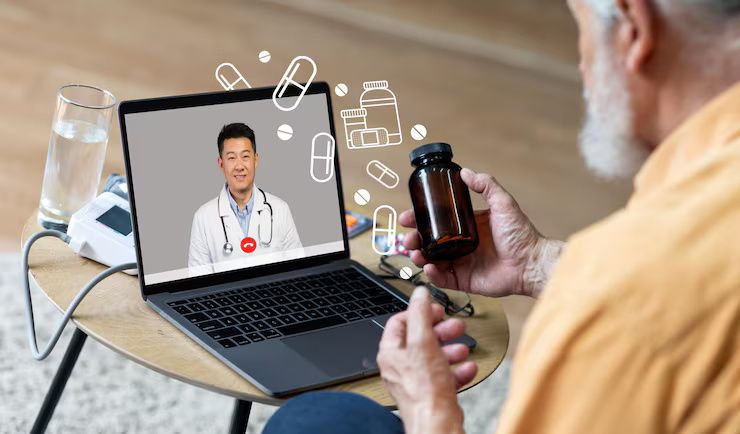
Telemedicine was developed to address gaps in access to care, particularly for people in rural areas, individuals with mobility limitations, and those managing chronic conditions. Over time, it expanded to support routine follow-ups, specialist consultations, mental health services, and preventive care. Today, telemedicine is an established part of modern healthcare systems, complementing traditional in-person care rather than replacing it.
Importance – Why Telemedicine Services Matter Today
Telemedicine services play an important role in improving how healthcare is delivered and experienced. Their value extends to patients, healthcare providers, clinics, and health systems.
Saves Time for Patients and Providers
Remote consultations reduce the need for travel and waiting times. Patients can connect with healthcare professionals from home or work, while providers can manage schedules more efficiently.
Reduces Unnecessary Clinic Visits
Many routine consultations, follow-ups, and medication reviews do not require physical examinations. Telemedicine helps reserve in-person visits for cases that truly need them.
Improves Access to Healthcare
Telemedicine supports access for:
-
People in remote or underserved areas
-
Individuals with mobility challenges
-
Patients with chronic conditions requiring frequent check-ins
Supports Continuity of Care
Regular virtual follow-ups help patients stay connected with care teams, improving monitoring and adherence to treatment plans.
Reduces Healthcare System Burden
By shifting appropriate visits online, clinics can reduce overcrowding and better allocate resources such as staff time and physical space.
Encourages Preventive and Early Care
Easier access makes it more likely that patients seek advice early, which can help address health concerns before they worsen.
Overall, telemedicine helps solve problems related to access, time constraints, clinic congestion, and care coordination.
Recent Updates – Trends and Developments in 2024–2025
Telemedicine services continued to evolve over the past year, supported by technology improvements and changing healthcare needs.
Expansion of Hybrid Care Models (2024–2025)
Healthcare systems increasingly adopted hybrid models that combine in-person and virtual care. Patients can move between both modes based on clinical needs.
Improved Video and Communication Platforms
In 2024, telemedicine platforms introduced better video quality, secure messaging, and integrated scheduling, improving the overall consultation experience.
Growth of Remote Patient Monitoring
Wearable devices and home monitoring tools became more widely used to track vital signs such as heart rate, blood pressure, and glucose levels, feeding data into telemedicine systems.
Increased Use in Mental Health Services
Throughout 2024, telemedicine continued to play a strong role in mental health support, offering regular access to counseling and follow-up care.
Better Integration With Electronic Health Records
Late 2024 updates improved interoperability between telemedicine platforms and electronic health records, reducing duplication and improving care coordination.
Focus on Equity and Digital Access
Health organizations placed greater emphasis on addressing digital access gaps by offering simpler platforms and patient education initiatives.
These developments reflect a move toward more flexible, patient-centered care delivery.
Laws or Policies – Regulations Affecting Telemedicine Services
Telemedicine services operate within regulatory frameworks designed to protect patient safety, privacy, and care quality. While regulations vary by country, several common principles apply.
Patient Privacy and Data Protection Laws
Telemedicine platforms must comply with data protection laws that require:
-
Secure data transmission
-
Confidential storage of health information
-
Controlled access to patient records
These rules help maintain patient trust and confidentiality.
Medical Licensing and Practice Rules
Healthcare providers typically must be licensed in the jurisdiction where the patient is located. Regulations define who can provide telemedicine services and under what conditions.
Standards of Care
Telemedicine consultations are expected to meet the same professional standards as in-person care. Providers must determine when virtual care is appropriate and when in-person evaluation is needed.
Reimbursement and Coverage Policies
Government health programs and insurers set rules for telemedicine coverage. In many regions, reimbursement policies were expanded to support virtual visits.
Digital Health and Telehealth Guidelines
Health authorities issue guidance on technology use, consent, documentation, and clinical protocols to ensure safe and effective telemedicine practice.
These policies ensure telemedicine services are delivered responsibly and ethically.
Tools and Resources – Helpful Platforms and Support Options
Patients and healthcare providers can use a range of tools and resources to make effective use of telemedicine services.
Useful Tools and Resources
| Tool / Resource | Purpose / Benefit |
|---|---|
| Telemedicine Platforms | Enable secure video consultations and messaging. |
| Patient Portals | Allow access to appointment schedules, test results, and messages. |
| Remote Monitoring Devices | Collect health data such as heart rate or blood pressure at home. |
| Appointment Scheduling Apps | Simplify booking and reminders for virtual visits. |
| Electronic Health Records | Store and share patient information securely. |
| Digital Consent Forms | Document patient agreement for virtual care. |
| Educational Health Websites | Provide reliable information on telemedicine use. |
| Technical Support Resources | Help users troubleshoot connectivity or device issues. |
These tools help ensure smooth communication, accurate records, and reliable care delivery.
FAQs – Clear and Factual Answers
What is telemedicine in simple terms?
Telemedicine allows patients to consult healthcare providers remotely using phones, video calls, or secure online messaging.
Can telemedicine replace in-person doctor visits?
Telemedicine complements in-person care but does not replace it. Some conditions require physical examinations or tests that must be done in person.
Is telemedicine suitable for follow-up visits?
Yes. Follow-ups, medication reviews, and routine check-ins are common and effective uses of telemedicine.
Is my personal health information safe during telemedicine visits?
Yes. Telemedicine platforms are required to use secure systems and follow data protection laws to safeguard patient information.
Do I need special equipment for telemedicine?
In most cases, a smartphone, tablet, or computer with internet access is sufficient. Some services may also use home monitoring devices.
Final Thoughts
Telemedicine services have become an important part of modern healthcare by saving time, improving access, and reducing unnecessary clinic visits. They support patients and providers through flexible, efficient communication while maintaining care quality and safety standards. Recent advancements in digital platforms, remote monitoring, and system integration continue to strengthen telemedicine’s role in healthcare delivery. With clear regulations and growing acceptance, telemedicine is likely to remain a valuable complement to traditional care, helping healthcare systems respond to evolving patient needs more effectively.