Laser Cutting Machines Overview: Materials, Processes, and Technology Developments
Laser cutting machines are advanced industrial systems that use concentrated beams of light to cut, engrave, or shape different materials with high precision. They are widely used in manufacturing, engineering, automotive production, aerospace, electronics, metal fabrication, and product development.
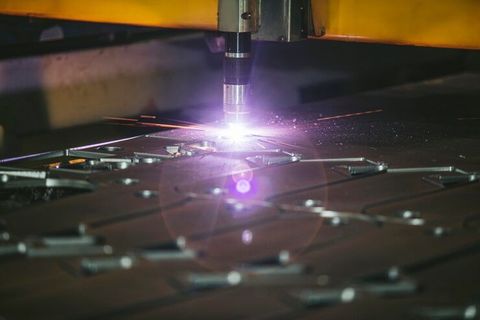
The technology works by directing a powerful laser beam onto a specific point on a material. The concentrated energy heats the surface, causing the material to melt, vaporize, or separate along a programmed cutting path. Computer numerical control (CNC) systems guide the movement of the laser head according to digital designs.
Laser cutting has developed as an alternative to several traditional cutting methods, including mechanical sawing, punching, and manual cutting. Its ability to produce detailed shapes and repeatable results makes it useful for industries that require accuracy and consistent production.
Modern laser cutting equipment can process materials such as:
Stainless steel and carbon steel
Aluminium and copper alloys
Acrylic and selected plastics
Wood and engineered wood products
Textiles and leather
Paper, cardboard, and composite materials
Different machines are designed for different applications. The appropriate system depends on material thickness, required precision, production volume, operating environment, and the characteristics of the finished component.
How Laser Cutting Technology Works
A typical laser cutting machine includes a laser source, optical components, a cutting head, a motion-control system, a worktable, and software.
The laser source generates the energy beam, while optical components direct it towards the material. The cutting head focuses the beam into a small area, producing sufficient energy density to process the surface.
An assist gas, such as oxygen, nitrogen, or compressed air, may be used to remove molten material from the cutting area. The choice of gas depends on the material and the desired edge quality.
The main operating stages include:
A digital design is prepared using computer-aided design software.
The design is converted into machine-readable instructions.
The material is positioned securely on the cutting table.
The laser follows the programmed cutting path.
The processed components are inspected for accuracy and quality.
Types of Laser Cutting Machines
Laser cutting systems are classified according to their laser source and the materials they process. Each type has different operating characteristics and industrial applications.
Fiber Laser Cutting Machines
Fiber laser cutting machines use optical fibres to generate and deliver laser energy. They are commonly used for processing metals, including stainless steel, aluminium, brass, and copper.
Their characteristics include:
High precision in metal sheet processing.
Efficient energy conversion.
Compatibility with automated production lines.
Applications in automotive and industrial metal fabrication.
CO₂ Laser Cutting Machines
CO₂ laser systems generate laser energy through a gas-based process. They are commonly associated with non-metallic materials, although certain configurations can process metals.
Typical applications include:
Acrylic sheet cutting.
Wood engraving and cutting.
Textile processing.
Paper and packaging production.
Nd:YAG Laser Cutting Machines
Nd:YAG systems use a solid-state laser medium. They can be configured for precision cutting, drilling, and other specialised material-processing applications.
They are particularly relevant to selected electronics, engineering, and precision manufacturing processes.
Crystal and Other Solid-State Laser Systems
These systems use solid laser-generating materials and are designed for specialised industrial applications. Their suitability depends on beam characteristics, material properties, and processing requirements.
Machine type | Common applications | Typical materials |
|---|---|---|
Fiber laser | Metal fabrication | Steel, aluminium, copper |
CO₂ laser | Sheet and engraving applications | Acrylic, wood, textiles |
Nd:YAG laser | Precision processing | Selected metals and alloys |
Other solid-state lasers | Specialised manufacturing | Application-dependent |
Importance of Laser Cutting Machines in Modern Manufacturing
Laser cutting machines play an important role in industries where accurate dimensions, repeatable production, and detailed component designs are essential. As manufacturing processes become more automated, these machines help organisations handle complex cutting requirements.
Improved Cutting Precision
Laser cutting technology allows manufacturers to produce intricate shapes and detailed patterns. CNC programming helps maintain consistent cutting paths across repeated production cycles.
This is particularly important for aerospace components, automotive structures, electronic enclosures, and precision metal parts.
Higher Production Efficiency
Automated laser cutting systems can process multiple components using programmed cutting instructions. Advanced material-handling systems also reduce manual movement between production stages.
These capabilities are useful in facilities managing large production volumes or multiple component designs.
Reduced Material Waste
Nesting software arranges different component shapes within a material sheet to improve material utilisation. This approach can reduce unused areas and support more efficient sheet metal fabrication.
Flexible Manufacturing Applications
A single appropriately configured machine can process different component designs without requiring a completely different cutting method for every shape.
Industries can use this flexibility when manufacturing prototypes, replacement components, customised metal structures, and specialised equipment.
Industries That Use Laser Cutting Technology
Laser cutting equipment supports several industrial sectors.
Automotive manufacturing: Production of vehicle body panels, structural components, battery enclosures, and metal brackets.
Aerospace engineering: Precision processing of selected aircraft components and lightweight metal structures.
Electronics manufacturing: Cutting metal housings, circuit-related components, and precision enclosures.
Construction: Fabrication of architectural panels, metal frameworks, and decorative structures.
Medical equipment manufacturing: Processing selected metal components used in specialised instruments and equipment.
Furniture manufacturing: Production of metal frames, decorative panels, and structural fittings.
The technology is also used in industrial machinery production, sheet metal fabrication, renewable energy equipment, and electrical panel manufacturing.
Important Factors When Evaluating Industrial Laser Cutting Equipment
Selecting a suitable industrial laser cutting machine requires an understanding of the intended application.
Important technical considerations include:
Laser power: Determines the available processing capability and influences cutting performance across different material thicknesses.
Material compatibility: Different laser sources are suitable for different materials.
Cutting speed: Influences production time and depends on material type, thickness, and machine configuration.
Cutting accuracy: Determines how closely finished components match the digital design.
CNC compatibility: Supports accurate movement and repeatable cutting operations.
Automation features: Includes automatic loading, unloading, material positioning, and robotic handling.
Cooling systems: Help maintain suitable operating temperatures.
Fume extraction: Removes smoke and airborne particles generated during processing.
Understanding these factors helps manufacturers evaluate laser cutting machine specifications and production requirements.
Recent Developments and Industry Trends (2025–2026)
Laser cutting technology continues to evolve through improvements in fiber laser sources, automation, artificial intelligence, and digital manufacturing systems. Recent developments focus on improving production consistency, reducing material waste, and connecting machines with wider factory operations.
AI-Assisted Laser Cutting
Artificial intelligence is becoming more relevant to industrial laser cutting applications. AI-enabled systems can analyse cutting conditions, identify possible defects, and recommend adjustments to processing parameters.
In April 2025, TRUMPF introduced its AI-powered Cutting Assistant for selected TruLaser machines. The technology uses image analysis to evaluate cutting quality and recommend parameter adjustments. This demonstrates how intelligent software is becoming part of modern metal fabrication.
Advanced Fiber Laser Technology
Fiber laser systems continue to receive attention because of their ability to process different metal materials with high precision. Developments in laser power, beam control, and cutting-head technology are expanding their potential applications.
High-power fiber laser cutting machines are particularly relevant to industrial applications involving thicker metal sheets and plates.
Automated Material Handling
Manufacturers are increasingly integrating robotic loading and unloading systems with CNC laser cutting equipment. These systems help move raw materials and finished components between production stages.
Automation can also support continuous production and reduce repetitive manual handling.
Smart Manufacturing and Process Monitoring
Modern laser cutting systems increasingly incorporate sensors, cameras, and production-monitoring software.
These technologies can help operators:
Monitor cutting-head performance.
Identify potential cutting interruptions.
Review machine operating conditions.
Detect inconsistencies in processed materials.
Analyse production information.
Bystronic's 2025 annual report describes developments such as camera-based cutting monitoring, AI-assisted parameter selection, and improved energy management in fiber laser systems.
Industry Outlook
The global laser cutting machine market continues to receive attention from automotive, electronics, aerospace, and industrial manufacturing sectors. A 2026 industry analysis identifies automation, fiber laser technology, and precision manufacturing as important market developments.
Laws, Regulations, and Industrial Safety Policies
Laser cutting machines are subject to workplace safety requirements, machinery regulations, environmental rules, and electrical safety standards. The applicable requirements depend on the country, machine configuration, material being processed, and industrial application.
Laser Radiation Safety
Laser radiation can cause serious eye and skin injuries if appropriate protective measures are not followed.
IEC 60825-1 provides an international framework for classifying laser products and establishing relevant safety requirements.
ISO 11553-1:2020 specifically addresses safety requirements for laser processing machines. This standard was reviewed and confirmed in 2025, meaning the published edition remains current.
Workplace Health and Safety
Industrial facilities should consider the following safety measures:
Appropriate protective enclosures around laser processing areas.
Interlocks that prevent unsafe machine operation.
Suitable laser safety eyewear where required.
Proper ventilation and fume extraction.
Fire prevention and emergency shutdown arrangements.
Operator training and documented safety procedures.
European Union Machinery Regulations
The European Union's Machinery Regulation (EU) 2023/1230 establishes requirements concerning machinery safety, conformity assessment, and market compliance.
The regulation becomes generally applicable on 20 January 2027, replacing the Machinery Directive 2006/42/EC. Manufacturers and importers preparing machinery for the European market should consider these requirements when reviewing product documentation and compliance procedures.
India: Industrial and Manufacturing Regulations
In India, laser cutting facilities must consider applicable occupational safety and industrial regulations, including relevant provisions of the Occupational Safety, Health and Working Conditions Code, 2020, and applicable state-level requirements.
Factories may also need to comply with environmental requirements concerning industrial emissions, waste management, and air pollution under relevant national and state regulations.
The applicable requirements should be checked with the relevant authorities because implementation and compliance obligations depend on the facility and its activities.
Helpful Tools and Resources for Laser Cutting Technology
Several software applications, technical resources, and digital tools help engineers, operators, and manufacturing professionals understand laser cutting processes.
Computer-Aided Design (CAD) Software
CAD software is used to create technical drawings and component designs before cutting.
Examples include:
AutoCAD – Technical drawings and engineering designs.
SolidWorks – Three-dimensional mechanical design.
Autodesk Fusion – Product design and manufacturing workflows.
LibreCAD – Two-dimensional technical drawings.
Computer-Aided Manufacturing (CAM) Software
CAM applications convert design information into machine instructions.
They help with cutting-path preparation, material positioning, nesting, and CNC programming.
Laser Cutting Calculators
Laser cutting calculators help estimate suitable processing parameters based on material thickness, laser power, cutting speed, and assist-gas selection.
These calculations should be treated as starting references because actual machine performance depends on equipment configuration and material properties.
Technical Standards and Industry Resources
The following organisations provide useful technical information:
Resource | Main area of information |
|---|---|
ISO | International machinery safety standards |
IEC | Electrical and laser product safety |
OSHA | Workplace laser safety guidance |
NIST | Manufacturing research and measurement |
European Commission | Machinery regulations and compliance |
Autodesk | CAD and manufacturing software education |
These resources can help professionals understand industrial laser cutting systems, CNC technology, manufacturing processes, and workplace safety requirements.
Frequently Asked Questions
1. What are laser cutting machines used for?
Laser cutting machines are used to cut, engrave, and process different materials. Common applications include automotive components, metal fabrication, aerospace parts, electronic enclosures, architectural panels, and industrial equipment.
2. Which laser cutting machine is suitable for metal fabrication?
Fiber laser cutting machines are widely used for metal fabrication because they can process materials such as stainless steel, aluminium, copper, and carbon steel. The appropriate configuration depends on material thickness, production requirements, and desired cutting quality.
3. What is the difference between fiber and CO₂ laser cutting machines?
Fiber laser machines use optical fiber technology and are commonly used for metal processing. CO₂ laser machines use gas-based laser technology and are frequently used for materials such as acrylic, wood, paper, and textiles. Their suitability depends on the material and application.
4. How does CNC technology improve laser cutting accuracy?
CNC technology controls the movement of the cutting head according to programmed digital instructions. It helps maintain consistent cutting paths, repeatable dimensions, and accurate component shapes during production.
5. What safety precautions are important when operating laser cutting machines?
Important precautions include using suitable protective enclosures, maintaining ventilation systems, following laser radiation safety procedures, inspecting machine components, and ensuring operators receive appropriate training.
Conclusion
Laser cutting machines have become an important part of modern industrial manufacturing. Their ability to process different materials, produce intricate designs, and support automated production makes them valuable across automotive, aerospace, electronics, construction, and engineering industries.
Developments in fiber laser technology, AI-assisted monitoring, CNC programming, and robotic material handling are expanding the capabilities of industrial laser cutting systems.
Understanding machine types, technical specifications, workplace safety requirements, and manufacturing regulations is essential for evaluating this technology. As industrial production continues to adopt digital and automated processes, laser cutting is expected to remain an important technology in precision manufacturing.

Related Post...
Laser Cutting Machines Overview: Materials, Processes, and Technology Developments
Updated: November 25, 2026
Read More
Essential Insights Into Rail Welding Machines for Track Maintenance and Construction
Updated: November 24, 2026
Read More
Explore Label Printing Machines: Types, Features, and Industrial Applications
Updated: November 25, 2026
Read More