Insights Into Gold Beaded Mala Necklaces and Their Cultural Significance
Gold beaded mala necklaces combine the traditional structure of a mala with the decorative appearance of gold beads. A mala is a strand of beads traditionally associated with meditation, prayer, spiritual practices, and cultural traditions. Depending on its design, a gold beaded mala may feature solid gold beads, gold-plated components, gold-colored metal, or gold beads combined with gemstones and other materials.
These necklaces have cultural significance in several communities, particularly across South Asia. Their appearance varies according to regional jewellery traditions, personal preferences, religious practices, and occasions. Some designs use closely arranged beads to create a continuous golden surface, while others incorporate decorative pendants, textured beads, or alternating materials.
Understanding gold beaded mala necklaces involves more than examining their appearance. Material composition, gold purity, construction quality, cultural context, and maintenance all influence how a necklace looks and performs over time.
Common Materials and Construction
Gold beaded mala necklaces can be created using different materials and manufacturing techniques.
Solid gold beads: Made from gold alloys of different purities, these beads have a gold content determined by their karat rating.
Gold-plated beads: Made from a base material covered with a thin layer of gold.
Gold-filled components: Consist of a base metal mechanically bonded with a substantial gold layer, subject to the applicable product standard.
Gemstone combinations: Incorporate materials such as pearls, rubies, emeralds, or other decorative stones.
Threaded or linked construction: Uses cords, wires, chains, or individual metal connections to hold the beads together.
The construction method affects flexibility, durability, weight, and maintenance requirements. A necklace made with individually linked beads may move differently from one assembled on a cord.
Why Gold Beaded Mala Necklaces Matter
Gold beaded mala necklaces occupy an interesting place in jewellery design because they combine traditional forms with contemporary styling. Their significance can be cultural, decorative, sentimental, or connected to family traditions.
Cultural and Personal Significance
In some traditions, mala necklaces are used during prayer, meditation, or the repetition of sacred phrases. Traditional prayer malas often contain a particular number of beads, depending on the practice and community. However, decorative gold beaded necklaces do not necessarily follow the same bead counts or spiritual conventions.
Gold also has longstanding cultural associations with ceremonies, celebrations, and family heritage in many societies. In South Asian communities, gold jewellery may be worn during weddings, festivals, religious occasions, and important family events.
The meaning of a necklace depends on the wearer and the tradition in which it is used. A decorative necklace should not automatically be assumed to have a religious purpose.
Jewellery Design and Everyday Wear
Gold beaded mala necklaces can be incorporated into different clothing styles. Their visual character depends on bead size, spacing, surface finish, length, and the presence of pendants or gemstones.
Common design variations include:
Minimalist bead necklaces: Feature small, evenly spaced beads and restrained decoration.
Traditional gold malas: Use larger beads, textured surfaces, or regionally inspired patterns.
Layered necklaces: Combine a mala with shorter chains or other necklaces.
Gemstone-accented designs: Incorporate colored stones to create contrast.
Statement necklaces: Use larger beads or more elaborate arrangements for ceremonial clothing.
These variations allow designers to interpret traditional beadwork in different ways without assuming that every design has the same cultural meaning.
Understanding Gold Purity
Gold purity is an important consideration when examining gold beaded jewellery. Pure gold is relatively soft, so jewellery is often manufactured using alloys that improve strength and workability.
| Gold purity | Approximate gold content | General characteristics |
|---|---|---|
| 24 karat | 99.9% or higher, depending on the standard | Very high purity and relatively soft |
| 22 karat | 91.7% | High gold content with some alloying metals |
| 18 karat | 75% | Contains a greater proportion of alloying metals |
| 14 karat | 58.5% | Lower gold content than 18K or 22K |
These percentages are approximate and should be interpreted according to the applicable national standard. Gold-plated jewellery is different from solid gold jewellery, even when the outer surface looks similar.
Recent Developments and Jewellery Design Trends
During 2025 and 2026, jewellery design continued to reflect interest in personal expression, heritage-inspired patterns, mixed materials, and adaptable styling. Gold beaded mala necklaces fit into these broader design directions because their traditional structure can be interpreted in both understated and elaborate forms.
These observations describe wider design tendencies rather than a guarantee that every style is gaining popularity in every market.
Heritage-Inspired Designs
Designers continue to draw inspiration from traditional beadwork, regional jewellery patterns, and historical ornamentation. Contemporary interpretations may retain familiar bead shapes while changing the necklace length, clasp, finish, or combination of materials.
Heritage-inspired jewellery can also incorporate details from family collections or regional craftsmanship. Understanding the origin of a design helps distinguish a documented cultural tradition from a modern interpretation.
Personalization and Mixed Materials
Another design direction involves combining gold beads with pearls, colored gemstones, enamel, or contrasting metal components. Such combinations can change the visual balance of a necklace without changing its basic structure.
Personalized elements may include different bead sizes, alternating patterns, distinctive pendants, and adjustable lengths. When religious or culturally significant elements are incorporated, their meaning should be understood and represented respectfully.
Responsible Material Information
Jewellery consumers increasingly encounter discussions about material traceability, responsible sourcing, recycled metals, and manufacturing transparency.
These topics are relevant to gold beaded mala necklaces because the origin and composition of the materials may affect their environmental and ethical considerations. However, claims about recycled gold, responsible sourcing, or verified origins require appropriate documentation rather than appearance alone.
Laws and Policies Affecting Gold Jewellery
Gold jewellery is subject to regulations that vary by country. Relevant requirements may cover purity marking, product descriptions, consumer protection, import procedures, taxation, and the disclosure of precious-metal content.
Gold Hallmarking in India
In India, the Bureau of Indian Standards (BIS) administers the hallmarking framework for gold jewellery and related articles. Hallmarking helps identify the purity of gold through prescribed markings and verification procedures.
The mandatory hallmarking framework applies to notified categories and geographical areas, subject to applicable rules and exemptions. Consumers should verify the current requirements for the particular jewellery item rather than assuming that every gold-colored product must carry a hallmark.
Important considerations include:
Purity identification: Check the stated karat or fineness of solid gold jewellery.
Hallmark verification: Examine the applicable BIS hallmark and associated identification details.
Material disclosure: Distinguish solid gold from gold-plated or other gold-coated products.
Documentation: Retain invoices, product descriptions, and relevant purity information.
Consumer protection: Review applicable rules concerning inaccurate product descriptions or representations.
Hallmarking does not necessarily establish the origin of every component, the authenticity of gemstones, or the complete cultural history of a necklace.
International Considerations
Gold jewellery standards differ internationally. Some countries use specific fineness marks, while others maintain separate requirements for precious-metal articles, imports, or consumer disclosures.
For international purchases or travel, relevant considerations may include customs declarations, import duties, export restrictions, and rules for carrying valuable personal items across borders. Requirements depend on the destination, the traveller's circumstances, and the nature of the jewellery.
Tools and Resources for Jewellery Knowledge
Several practical resources can help people understand gold purity, necklace dimensions, material composition, and jewellery maintenance.
Useful Tools
Gold purity calculator: Converts karat ratings into approximate gold percentages.
Jewellery weight scale: Measures the total weight of a necklace, although weight alone does not establish gold purity.
Necklace length guide: Helps compare necklace measurements with common wearing positions.
Jewellery care checklist: Records cleaning, storage, clasp inspection, and professional examination.
Gemstone identification resources: Provide introductory information about gemstone characteristics, with professional testing used when reliable identification is necessary.
Hallmark verification resources: Help check applicable official hallmarking information and identification details.
Practical Jewellery Inspection Checklist
When examining a gold beaded mala necklace, consider the following points:
Confirm whether the beads are solid gold, plated, or made from another material.
Check available purity markings and supporting documentation.
Examine bead connections, threading, clasps, and any pendant attachments.
Look for loose components, sharp edges, or visible wear.
Identify gemstones and other decorative materials separately.
Review cleaning and storage recommendations for the actual materials.
Avoid using abrasive cleaners or harsh chemicals without confirming that they are suitable for the necklace. Gold alloys, plated surfaces, pearls, gemstones, and cords can require different care methods.
Frequently Asked Questions
What is a gold beaded mala necklace?
A gold beaded mala necklace is a strand-style necklace featuring gold beads or gold-colored bead components. Depending on its construction, it may be intended for decorative wear, ceremonial occasions, or particular cultural and spiritual practices.
Are all gold beaded mala necklaces made from solid gold?
No. Some contain solid gold beads, while others use gold-plated metal, gold-filled components, or gold-colored materials. The product description, purity markings, and appropriate documentation help clarify the material composition.
How can gold purity be identified?
Gold purity can be assessed through recognized markings, documentation, and appropriate testing. In India, applicable BIS hallmarking information can help identify the declared purity of covered gold jewellery. Visual appearance alone cannot reliably establish gold content.
How should a gold beaded mala necklace be maintained?
Store the necklace separately from harder jewellery to reduce scratches and tangling. Keep it away from harsh chemicals, inspect the clasp and bead connections periodically, and follow cleaning instructions appropriate to its materials. Delicate gemstones, pearls, and plated components may require specialized care.
Can a gold beaded mala necklace be worn for religious and decorative purposes?
Yes, depending on the design and the wearer's intentions. Some malas are associated with spiritual practices, while others are designed primarily as jewellery. Cultural customs differ, so it is helpful to understand the significance of particular designs before using them in a religious context.
Conclusion
Gold beaded mala necklaces combine traditional beadwork, precious-metal craftsmanship, and a wide range of decorative possibilities. Their appearance and significance depend on the materials used, construction techniques, cultural background, and intended purpose.
Understanding gold purity, recognizing the difference between solid and plated materials, and following appropriate care practices can help people make informed decisions about jewellery. Hallmarking rules and consumer-protection requirements also provide important context when evaluating gold jewellery in India and other countries.
Whether a necklace is associated with personal heritage, ceremonial clothing, spiritual practice, or contemporary design, accurate material information and respectful appreciation of its cultural background remain essential.

Related Post...
Topaz Jewellery Tips for Choosing Elegant Styles for Different Occasions
Updated: October 26, 2026
Read More
Discover Bar Stud Earrings: A Guide to Minimalist Jewelry and Timeless Style
Updated: October 28, 2026
Read More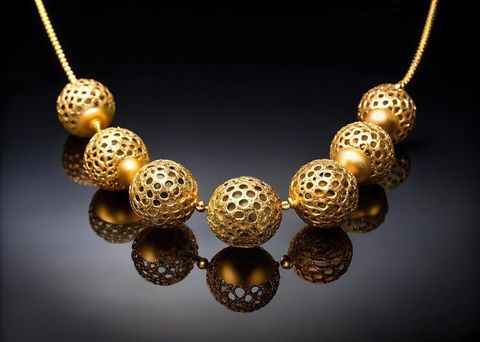
Insights Into Gold Beaded Mala Necklaces and Their Cultural Significance
Updated: October 28, 2026
Read More