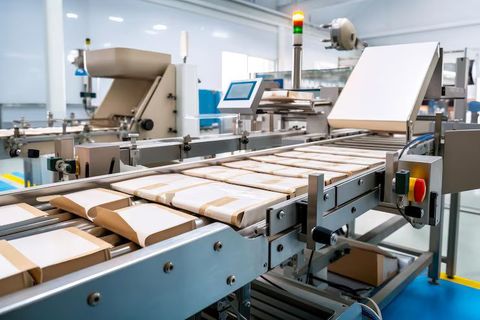
Industrial Shrink Wrapping Machines: Complete Expert Guide
Industrial shrink wrapping machines help package products by applying shrink film that tightly seals around items after heat is applied. They improve packaging consistency, product protection, and operational efficiency across many industries. This guide explains how these machines work, why they matter, recent industry developments, regulations, useful resources, and common questions in simple language.
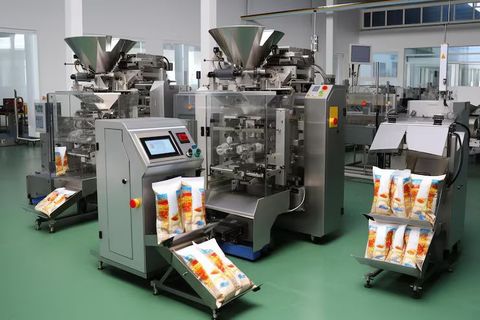
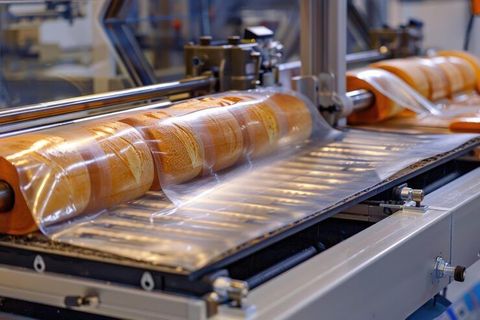
Industrial shrink wrapping machines are packaging systems designed to wrap products with a special plastic film that shrinks tightly around an item when exposed to controlled heat. This creates a secure and protective package that helps reduce movement, improves presentation, and protects products during storage and transportation.
These machines exist because manufacturers and distribution facilities need reliable packaging methods that keep products clean, organized, and protected. Modern industrial packaging equipment has become an important part of automated production lines, especially in industries such as food processing, pharmaceuticals, consumer goods, electronics, logistics, and industrial manufacturing.
Common Machine Types
| Machine Type | Typical Application | Automation Level |
|---|---|---|
| Manual | Small production volumes | Low |
| Semi-Automatic | Medium-scale operations | Moderate |
| Fully Automatic | Continuous production lines | High |
Importance
Why Industrial Shrink Wrapping Machines Matter
As production volumes continue to increase worldwide, businesses require packaging systems that improve consistency while reducing packaging errors. Industrial shrink wrapping machines help standardize packaging quality across thousands of products.
These systems affect manufacturers, warehouses, logistics providers, exporters, and retail distribution centers. Proper shrink wrapping also helps protect products from moisture, dust, and minor handling damage before they reach their destination.
Some important benefits include:
- Better product protection
- Improved packaging consistency
- Reduced packaging waste through optimized film usage
- Faster production workflows
- Easier storage and transportation
- Enhanced inventory handling
Typical Packaging Workflow
| Stage | Purpose |
|---|---|
| Product Placement | Item enters packaging line |
| Film Wrapping | Shrink film surrounds product |
| Heat Tunnel | Film shrinks evenly |
| Cooling | Package stabilizes |
| Inspection | Final quality check |
Recent Updates
Industry Trends During 2025–2026
Industrial packaging technology has continued evolving over the past year with greater attention on automation and sustainability.
Recent developments include:
- Increased adoption of smart packaging systems using industrial sensors.
- Greater integration with Industry 4.0 manufacturing platforms.
- Growing use of recyclable and thinner shrink films to reduce material usage.
- Improved energy-efficient heat tunnel technology introduced throughout 2025.
- Expanded use of machine monitoring software for predictive maintenance and production analytics.
Packaging Industry Direction
Automation        ██████████
Energy Efficiency █████████
Smart Monitoring  ████████
Sustainable Films █████████
Digital Controls  ██████████
These trends reflect the packaging industry's focus on efficiency, environmental responsibility, and improved operational visibility.
Laws or Policies
Regulatory Considerations
Industrial shrink wrapping equipment operates within various packaging, workplace safety, and environmental regulations. Requirements differ between countries, but common areas include:
- Workplace machine safety standards
- Electrical equipment compliance
- Environmental guidelines for plastic packaging materials
- Recycling and waste management regulations
- Product labeling requirements
- Food-contact packaging standards where applicable
Many countries continue updating packaging policies to encourage recyclable materials and reduce unnecessary plastic waste. Manufacturers are also encouraged to improve energy efficiency throughout production processes.
Organizations operating internationally should remain aware of local regulatory requirements before implementing industrial packaging equipment.
Tools and Resources
Helpful Resources
Several general resources help organizations understand industrial packaging systems and packaging planning.
Useful examples include:
- Packaging material calculators
- Production efficiency calculators
- Preventive maintenance templates
- Equipment inspection checklists
- Energy consumption monitoring tools
- Packaging design software
- Industrial automation learning platforms
- Safety training materials
- Packaging compliance guidance documents
- Manufacturing productivity dashboards
These resources support better planning, maintenance scheduling, and packaging quality management.
FAQs
What materials are commonly used with industrial shrink wrapping machines?
Most systems use shrink films made from polyolefin, polyethylene, or PVC depending on packaging requirements and product characteristics.
Which industries commonly use shrink wrapping machines?
Food manufacturing, pharmaceuticals, beverages, cosmetics, consumer goods, electronics, logistics, printing, and industrial manufacturing frequently use shrink wrapping equipment.
Are shrink wrapping machines fully automated?
Some machines require manual operation, while others are semi-automatic or fully automated for continuous production environments.
How does heat create a secure package?
The shrink film contracts evenly when exposed to controlled heat, forming a tight protective layer around the packaged product.
Why is preventive maintenance important?
Routine maintenance helps maintain consistent packaging quality, reduces unexpected downtime, improves operational reliability, and extends equipment lifespan.
Conclusion
Industrial shrink wrapping machines remain an essential part of modern packaging operations. They provide reliable product protection, improve production consistency, and support efficient handling throughout manufacturing and distribution processes. As automation, smart monitoring, and sustainable packaging continue advancing during 2025 and beyond, these systems are becoming more efficient and environmentally responsible. Understanding machine types, regulatory requirements, and available planning resources helps organizations make informed packaging decisions while maintaining quality and operational performance.
Disclaimer
This article is intended for educational and informational purposes only. Packaging technologies, regulations, and industry practices may vary by country and industry. Readers should follow applicable local regulations and manufacturer guidance when working with industrial packaging equipment.

Related Post...