End-of-Line Packaging Equipment: Complete Professional Guide
End-of-line packaging equipment plays an important role in modern manufacturing by preparing finished products for storage, transportation, and distribution. This guide explains its purpose, importance, recent industry developments, regulatory considerations, useful resources, and common questions in simple language.
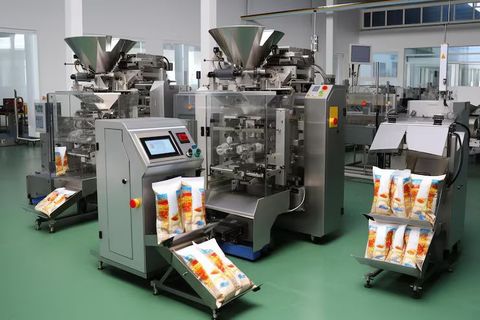
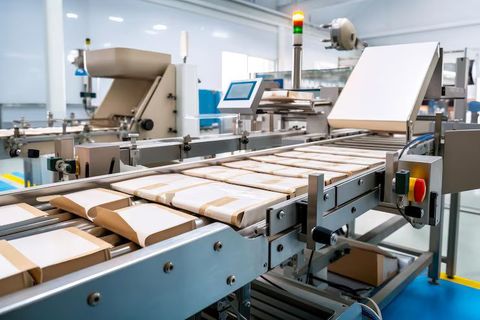
End-of-line packaging equipment refers to the machines and systems used during the final stage of a manufacturing process. After products are produced and inspected, they move to the packaging line where they are packed, labeled, wrapped, palletized, and prepared for shipment.
This equipment exists to improve packaging consistency, reduce manual handling, and help manufacturers manage large production volumes efficiently. Industries such as food processing, pharmaceuticals, consumer goods, electronics, logistics, and industrial manufacturing rely on automated packaging systems to handle products safely and accurately.
Common types of end-of-line packaging equipment include carton sealers, case packers, palletizers, stretch wrappers, labeling systems, barcode verification systems, and conveyor solutions. Together, these systems create an organized workflow from production to warehouse storage.
Importance
End-of-line packaging equipment has become increasingly important as industries focus on productivity, product protection, and supply chain efficiency.
Benefits across industries
- Improves packaging consistency.
- Reduces packaging errors.
- Supports faster production workflows.
- Protects products during transportation.
- Helps improve warehouse organization.
- Supports product traceability through barcode and label verification.
Manufacturers handling packaged foods, beverages, medical products, chemicals, and industrial equipment often depend on automated packaging technology to meet growing production demands while maintaining quality standards.
The following table summarizes the main advantages.
| Area | Practical Benefit |
|---|---|
| Product Protection | Reduces handling damage |
| Packaging Quality | Improves consistency |
| Distribution | Supports organized shipment preparation |
| Productivity | Handles higher production volumes |
| Traceability | Improves package identification |
Workflow Overview
| Manufacturing → Inspection → Packaging → Labeling → Palletizing → Distribution |
This simple workflow shows how end-of-line equipment connects production with logistics operations.
Recent Updates
The packaging equipment industry has continued to evolve throughout 2025 and early 2026.
Several manufacturers have increased the adoption of smart factory technologies, allowing packaging machines to collect production data in real time. Industrial automation, artificial intelligence, machine vision, and Industrial Internet of Things (IIoT) solutions are becoming more common in advanced packaging facilities.
Energy-efficient equipment has also become a major trend. Many production facilities are focusing on reducing electricity consumption while improving operational performance.
Another important development is the wider use of digital monitoring systems that help operators identify maintenance needs before equipment downtime occurs. Predictive maintenance continues to gain attention because it helps improve equipment reliability.
Manufacturers are also investing in flexible packaging systems capable of handling different package sizes with minimal production interruptions.
Laws or Policies
End-of-line packaging equipment is influenced by various national regulations depending on the country where it is used.
Common regulatory areas include:
- Workplace health and safety requirements
- Machine safety standards
- Electrical equipment regulations
- Environmental protection policies
- Packaging waste management rules
- Product labeling requirements
- Food safety regulations for food manufacturing
- Pharmaceutical manufacturing guidelines for healthcare products
Many countries encourage manufacturers to adopt safer machinery, improve workplace safety, reduce packaging waste, and increase recycling efforts through environmental programs and industrial compliance frameworks.
Organizations operating internationally often follow recognized industrial safety standards while also complying with local government regulations.
Tools and Resources
Many educational resources help manufacturers understand packaging technology and production planning.
Useful resources include:
- Packaging line planning templates
- Production efficiency calculators
- Conveyor layout planning tools
- Packaging material estimation worksheets
- Barcode verification software
- Maintenance scheduling checklists
- Equipment inspection templates
- Industrial automation learning platforms
- Manufacturing process simulation tools
- Quality control documentation guides
These resources help engineers, production teams, plant managers, and students understand packaging workflows more effectively.
Frequently Asked Questions
What is end-of-line packaging equipment?
It includes the machines used after production to package, label, wrap, palletize, and prepare products for storage or transportation.
Which industries commonly use this equipment?
Food manufacturing, pharmaceuticals, beverages, electronics, consumer products, chemicals, logistics, and industrial manufacturing frequently use automated packaging systems.
Why is automation important in packaging?
Automation improves consistency, supports higher production volumes, reduces manual handling, and enhances package traceability.
How does packaging equipment improve supply chain efficiency?
Well-organized packaging helps products move more efficiently through warehouses, transportation networks, and distribution centers while reducing handling issues.
What technologies are becoming popular?
Artificial intelligence, machine vision, Industrial Internet of Things (IIoT), predictive maintenance, digital monitoring, robotics, and smart manufacturing systems are becoming increasingly common.
Conclusion
End-of-line packaging equipment forms an essential part of modern manufacturing by connecting production with storage and distribution. As automation, robotics, and digital monitoring continue to advance, packaging systems are becoming more efficient, flexible, and reliable. Understanding equipment functions, industry trends, regulatory requirements, and available planning resources helps manufacturers improve packaging quality while supporting safe and organized operations.
Disclaimer
This article is intended for general educational and informational purposes only. Industry regulations, technical specifications, and compliance requirements may vary by country, industry, and application. Readers should consult relevant regulatory authorities and technical documentation for current requirements.
SEO Rules & Policy Follow-Up
- Use clear, descriptive headings with relevant keywords.
- Keep paragraphs short for better readability.
- Naturally include terms such as industrial packaging equipment, automated packaging systems, packaging automation, palletizing systems, case packing equipment, conveyor systems, industrial robotics, and manufacturing automation.
- Avoid keyword stuffing and repetitive phrases.
- Write factual, user-focused content without exaggerated claims.
- Ensure originality and maintain a natural writing style.
- Follow Google Ads policies by avoiding misleading statements and promotional language.
- Keep metadata concise and relevant.
- Update content periodically to reflect new technologies and regulations.

Related Post...