Industrial Data Loggers Explained: Overview, Basics, and Key Facts to Learn
Industrial data loggers are electronic devices designed to automatically record measurements over time. These measurements may include temperature, humidity, pressure, voltage, current, vibration, flow rate, or other physical and electrical parameters. The recorded information is stored digitally and later reviewed for analysis, reporting, or compliance purposes.
The concept of data logging emerged as industries became more complex and manual record-keeping was no longer reliable or scalable. Early industrial environments relied on handwritten logs or mechanical gauges, which provided only momentary readings. Industrial data loggers were developed to create continuous, accurate, and time-stamped records without constant human involvement.
Today, industrial data loggers are used in factories, power plants, laboratories, transportation systems, agriculture, and infrastructure monitoring. They exist to provide consistent data, reduce human error, and support evidence-based decision-making in technical environments.
Importance: Why Industrial Data Loggers Matter Today
Industrial data loggers play a critical role in modern operations where accuracy, traceability, and efficiency are essential. As industries adopt automation and digital monitoring, the need for reliable data collection has increased significantly.
These devices affect a wide range of users, including engineers, technicians, quality managers, environmental analysts, and compliance officers. The information collected helps organizations understand system behavior, identify inefficiencies, and detect abnormal conditions early.
Key problems addressed by industrial data loggers include:
-
Lack of continuous monitoring in critical processes
-
Inconsistent manual measurements
-
Difficulty proving compliance with safety or quality standards
-
Limited visibility into long-term trends and patterns
By providing structured and time-based information, industrial data loggers support operational transparency and informed planning. In sectors such as food processing, pharmaceuticals, energy, and logistics, recorded data can also support audits and technical documentation.
Basics: How Industrial Data Loggers Work
At a basic level, an industrial data logger consists of sensors, a processing unit, memory storage, and a power source. The sensors detect physical or electrical conditions, while the internal system converts those signals into digital data.
Typical operation involves:
-
Measuring predefined parameters at set intervals
-
Storing data internally or transmitting it to external systems
-
Allowing later access through software or interfaces
Many modern data loggers support wired or wireless communication, enabling remote access and integration with monitoring platforms.
Below is a simplified comparison table of common industrial data logger types:
| Data Logger Type | Common Parameters | Typical Use Environment |
|---|---|---|
| Temperature Logger | Temperature | Cold storage, ovens |
| Multi-Channel Logger | Multiple variables | Manufacturing lines |
| Voltage Logger | Electrical signals | Power systems |
| Environmental Logger | Temp, humidity, pressure | Warehouses, labs |
| Vibration Logger | Motion and vibration | Machinery monitoring |
Recent Updates: Trends and Changes in the Past Year
Over the past year, industrial data logging technology has continued to evolve alongside broader industrial digitalization trends. In 2024 and early 2025, several notable developments have shaped the field.
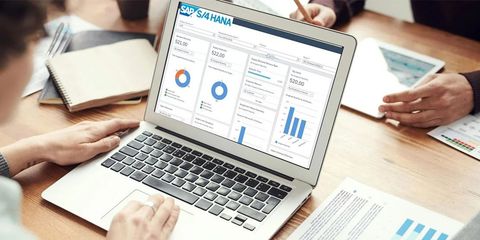
One major trend has been increased integration with industrial internet systems. Data loggers are now more frequently designed to work with centralized dashboards, enabling near real-time visualization and analysis.
Another update involves improvements in energy efficiency. Newer models introduced in late 2024 focus on extended battery life and low-power operation, supporting long-term deployments without frequent maintenance.
There has also been growing adoption of edge data processing. Instead of only storing raw data, some data loggers can now preprocess information locally, identifying thresholds or anomalies before transmission.
Cybersecurity considerations have gained attention as well. Since 2024, manufacturers have increasingly emphasized secure data handling, encryption, and access control to protect industrial information.
Laws and Policies: Regulatory Influence on Data Logging
Industrial data loggers are influenced by various laws, standards, and regulatory frameworks, depending on the country and industry. These rules do not usually mandate specific brands or models but define how data should be recorded, stored, and accessed.
In many regions, industrial environments are guided by occupational safety, environmental protection, and quality management regulations. These frameworks often require accurate and tamper-resistant records.
Common regulatory influences include:
-
Environmental monitoring rules that require documented temperature or emission data
-
Quality standards such as ISO frameworks that emphasize traceability
-
Workplace safety regulations that rely on historical data for incident analysis
Government programs promoting digital manufacturing and smart infrastructure also indirectly encourage the use of automated data logging. Compliance with such policies often depends on the reliability and integrity of recorded data rather than on the hardware itself.
Tools and Resources: Helpful Platforms and Learning Aids
A wide range of tools and resources support the use and understanding of industrial data loggers. These tools focus on data access, visualization, interpretation, and learning.
Commonly used resources include:
-
Data visualization software for trend analysis and reporting
-
Configuration utilities for setting sampling intervals and thresholds
-
Calibration reference guides for sensor accuracy
-
Technical documentation libraries from standards organizations
-
Online knowledge bases and industrial measurement textbooks
The table below highlights typical resource categories and their purpose:
| Resource Type | Primary Purpose |
|---|---|
| Visualization Tools | Graphing and trend analysis |
| Configuration Software | Device setup and parameter control |
| Calibration References | Accuracy verification |
| Standards Documentation | Regulatory alignment |
| Learning Materials | Technical understanding |
These resources help users interpret recorded information correctly and maintain consistent measurement practices across environments.
FAQs: Common Questions About Industrial Data Loggers
What is the main function of an industrial data logger?
The main function is to automatically record measurements over time, creating a reliable historical record for analysis, monitoring, and documentation.
Are industrial data loggers used only in factories?
No. They are also used in laboratories, agriculture, transportation, energy systems, and environmental monitoring applications.
How often do data loggers record information?
The recording interval depends on configuration. It may range from milliseconds to hours, depending on the application requirements.
Do industrial data loggers work without internet access?
Yes. Many devices store data locally and allow later retrieval. Connectivity is optional and depends on design.
What makes industrial data loggers different from consumer devices?
Industrial data loggers are designed for durability, accuracy, and long-term operation in harsh or regulated environments.
Key Facts and Practical Insights
Understanding a few core facts can help clarify how industrial data loggers fit into modern systems:
-
They focus on consistency rather than one-time readings
-
Time-stamped data improves traceability and accountability
-
Long-term records reveal patterns not visible in short-term observation
-
Proper configuration is as important as the hardware itself
Below is a simple example of how logged data may be interpreted over time:
| Time Period | Recorded Temperature Trend |
|---|---|
| Morning | Gradual increase |
| Midday | Stable range |
| Evening | Gradual decrease |
Such patterns help identify whether systems are operating within expected parameters.
Conclusion: Bringing It All Together
Industrial data loggers are foundational tools in today’s data-driven industrial environments. They exist to provide accurate, continuous, and reliable records of physical and electrical conditions across a wide range of applications.
Their importance has grown as industries emphasize automation, compliance, and long-term performance analysis. Recent developments show a clear shift toward smarter, more connected, and more secure data logging practices.

You may also like...


Luxury Hotels Booking Guide: Discover Room Types, Amenities, and Facts
Last Update: March 23, 2026
Read
Conveyor Belt Systems Guide: Basics, Types, and Industrial Applications
Last Update: March 23, 2026
Read