Industrial Blowers: Types, Applications & Selection Guide
Industrial blowers support essential airflow processes across industries. They move air or gases through equipment, ducts and ventilation systems for different operational purposes. Industrial blower manufacturers produce various designs, including industrial centrifugal blowers, roots blowers and high-pressure industrial blowers.
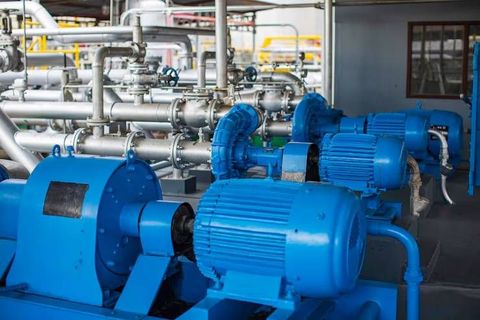
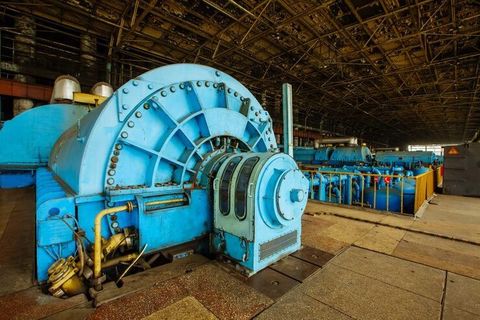
Industrial blowers are mechanical devices designed to move air or gases using rotating components. They generate airflow and pressure to support processes such as ventilation, cooling, drying, combustion and dust collection.
An industrial air blower generally consists of a motor, impeller or rotor, housing, inlet and outlet connections. Depending on its design, it may move large volumes of air at relatively low pressure or deliver air at higher pressure for specialized applications.
Industrial blower systems are used in manufacturing plants, power facilities, chemical processing units, food production environments and other industrial settings.
Importance of Industrial Blowers in Industrial Operations
Industrial blowers support several operations that depend on controlled air movement. Their functions vary according to the equipment design and the requirements of the production environment.
Supporting Ventilation
Industrial ventilation blowers help circulate air inside factories, workshops and processing facilities. They can remove unwanted heat, fumes and airborne particles when connected to suitable ventilation arrangements.
Maintaining Cooling Processes
Some industrial machines generate heat during operation. Blowers help move air around equipment or through cooling systems to support temperature management.
Supporting Material Handling
Certain pneumatic conveying systems use blowers to transport lightweight materials through pipelines. The airflow carries suitable materials between processing locations.
Assisting Combustion Processes
Industrial furnaces and boilers may use blower equipment to supply air for combustion. The required airflow depends on the fuel, burner design and operating conditions.
Supporting Dust Collection
Industrial dust collection blowers create airflow through extraction systems. When combined with appropriate filters and ductwork, these systems help capture airborne dust from selected production areas.
Types of Industrial Blowers
Industrial blower equipment is available in different designs. The main differences relate to airflow direction, pressure generation, construction and intended applications.
Centrifugal Blowers
An industrial centrifugal blower uses a rotating impeller to move air outward from its center. The housing directs the moving air toward the outlet, creating the pressure needed for airflow through connected systems.
These blowers are commonly used in ventilation, dust collection, drying and industrial process applications. Their performance depends on impeller design, rotational speed and system resistance.
Roots Blowers
An industrial roots blower uses two rotating lobes that move air through the blower housing. It is commonly used in applications requiring a relatively consistent airflow at a specified pressure range.
Roots blowers are found in wastewater treatment, pneumatic conveying, industrial aeration and selected process systems. Their operating requirements include suitable lubrication, cooling and maintenance.
Industrial Exhaust Blowers
Industrial exhaust blowers remove air, fumes, heat or airborne contaminants from enclosed areas and production processes. They are often connected to exhaust ducts, filtration equipment or ventilation networks.
Their design depends on the type of air being handled, operating temperature and required airflow.
High-Pressure Industrial Blowers
High-pressure industrial blowers are designed for applications that require greater air pressure than ordinary ventilation systems. They may support pneumatic conveying, combustion, industrial drying and specialized process equipment.
The required pressure and airflow should be evaluated together because both influence equipment performance.
Industrial Pneumatic Blowers
Industrial pneumatic blowers provide airflow for systems that transport or handle materials using air pressure. They are used in selected manufacturing and processing operations where suitable materials can be conveyed through pipelines.
Common Industrial Blower Applications
Industrial blower applications cover several sectors. The equipment type depends on the operating environment and the process being supported.
| Industry | Typical Blower Applications |
|---|---|
| Manufacturing | Machine cooling, ventilation and process airflow |
| Chemical Processing | Gas movement, ventilation and process support |
| Food Processing | Drying, cooling and air circulation |
| Cement Production | Combustion air and dust collection |
| Wastewater Treatment | Aeration and biological treatment processes |
| Power Generation | Combustion air and equipment ventilation |
| Textile Manufacturing | Fibre handling, drying and ventilation |
| Metal Processing | Furnace air supply, cooling and fume extraction |
Industrial blower systems may also be used in paper production, pharmaceutical manufacturing and agricultural processing, depending on process requirements.
How to Choose the Right Industrial Blower
Selecting an industrial blower requires an understanding of the application, operating environment and required performance. The following factors can help guide the selection process.
Airflow Requirements
Airflow is generally measured in cubic metres per hour (m³/h) or cubic feet per minute (CFM). The required volume depends on the process, equipment capacity and ventilation needs.
Pressure Requirements
The blower must generate enough pressure to overcome resistance in connected ducts, filters, pipelines and other components. Pressure requirements should be calculated for the complete system.
Blower Type and Design
Centrifugal, roots and other blower designs have different operating characteristics. The selected design should match the required airflow, pressure and application.
Operating Environment
Temperature, humidity, dust, moisture and the presence of corrosive gases can influence equipment selection. Materials and construction should be suitable for the surrounding conditions.
Energy Consumption
Motor capacity, operating speed and system resistance influence electricity consumption. Evaluating the expected operating schedule can help assess energy requirements.
Maintenance and Installation
The installation area should provide sufficient space for the blower, motor, connections and maintenance activities. Access to components and manufacturer-recommended inspection procedures should also be considered.
Industrial Blower Maintenance and Safety
Regular inspection helps maintain industrial blower performance and identify developing mechanical problems. Maintenance requirements vary according to the blower design, operating conditions and manufacturer instructions.
Common maintenance activities include:
Inspecting impellers, rotors and housing components for damage or wear.
Checking motor condition, electrical connections and operating temperature.
Examining bearings, belts and couplings where applicable.
Cleaning air inlets, filters and ventilation passages.
Checking vibration, noise and unusual operating conditions.
Following recommended lubrication and replacement schedules.
Maintaining records of inspections, repairs and equipment performance.
Before maintenance begins, equipment should be isolated from its power source and handled according to workplace safety procedures. Qualified personnel should perform electrical and mechanical work.
Frequently Asked Questions About Industrial Blowers
What are industrial blowers used for?
Industrial blowers move air or gases for ventilation, cooling, drying, dust collection, combustion and pneumatic conveying applications.
What is an industrial centrifugal blower?
An industrial centrifugal blower uses a rotating impeller to move air outward and direct it through an outlet. It is commonly used in ventilation and industrial process systems.
What is the difference between centrifugal and roots blowers?
Centrifugal blowers use an impeller to accelerate air, while roots blowers use rotating lobes to move air through a housing. Their operating characteristics and suitable applications differ.
What factors affect industrial blower performance?
Airflow, pressure, motor speed, system resistance, equipment design and operating conditions all influence blower performance.
Where are industrial exhaust blowers used?
Industrial exhaust blowers are used in factories, workshops and processing facilities to remove heat, fumes and unwanted air through suitable exhaust systems.
Conclusion
Industrial blowers are important components in ventilation, cooling, material handling and various manufacturing processes. Centrifugal, roots, exhaust and high-pressure blowers serve different operational requirements across industrial environments.
Understanding airflow, pressure, operating conditions and maintenance requirements helps identify appropriate equipment. Careful selection and regular inspection also support reliable operation and the effective use of industrial blower systems.

Related Post...