Electric Power Systems Guide to Types and Applications
Electric power systems keep modern communities connected. They support homes, businesses, factories, hospitals and essential infrastructure by generating, transmitting and distributing electricity. These systems include power generation equipment, transmission networks, distribution equipment, transformers and control technologies.
Understanding electric power systems helps explain how electricity moves from generating facilities to the places where it is used. It also provides an overview of the equipment, operating principles and applications involved in modern electrical infrastructure.
What Are Electric Power Systems?
Electric power systems are interconnected networks designed to produce, transmit, distribute and manage electrical energy. They connect power generation facilities with residential, commercial and industrial consumers through different stages of electricity delivery.
An electric power system typically includes generators, transformers, transmission lines, substations, distribution networks and protection equipment. Each component performs a specific function to support the movement and management of electricity.
Electric power solutions providers and system integrators may work with these components when developing electrical infrastructure for different applications. System design depends on electricity demand, operating conditions, location and the requirements of the connected facilities.
Importance of Electric Power Systems
Electric power systems are essential for everyday activities and industrial operations. They provide the infrastructure required to deliver electricity to different types of consumers.
Supporting Homes and Commercial Buildings
Residential and commercial buildings depend on electrical distribution networks for lighting, heating, cooling, communication systems and household appliances. Reliable electrical infrastructure helps these facilities operate their equipment and daily activities.
Supporting Industrial Operations
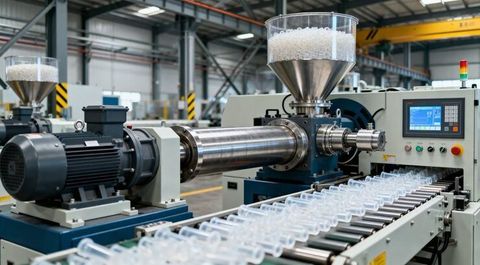
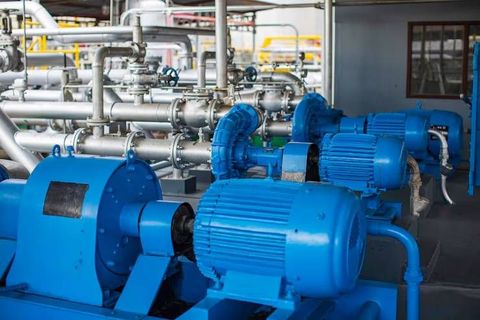
Factories and manufacturing facilities use electricity to operate motors, production machines, automation equipment and processing systems. Industrial power systems suppliers provide equipment and components designed for different electrical requirements.
Connecting Power Generation and Consumers
Power generation facilities may be located far from the areas where electricity is consumed. Transmission and distribution networks connect these locations and help move electricity through the wider grid.
Supporting Essential Infrastructure
Hospitals, transportation networks, water treatment facilities and communication systems depend on electrical power. Backup power systems can provide an alternative electricity source when the primary supply becomes unavailable.
Main Components of Electric Power Systems
Electric power systems contain several interconnected components. Their functions differ according to the stage of electricity generation and delivery.
Power Generation Equipment
Power generation equipment produces electricity from different energy sources. These sources include natural gas, coal, hydropower, wind, solar and nuclear energy.
Generators convert mechanical energy into electrical energy in many power plants. Renewable energy power systems use technologies such as solar panels and wind turbines to generate electricity from naturally replenished sources.
Power Transmission Equipment
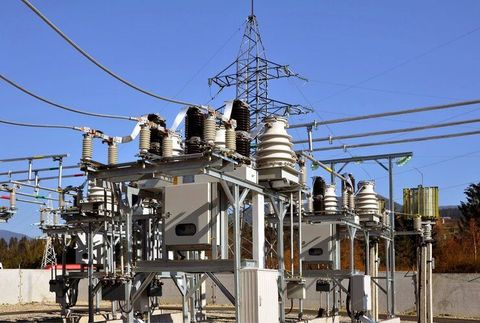
Power transmission equipment carries electricity over long distances from generating stations to substations and major consumption areas. Transmission networks commonly use high-voltage lines to transfer electrical energy.
Power transmission equipment manufacturers produce components such as transmission conductors, insulators, circuit breakers and associated protection equipment. Transformers are also used to adjust voltage levels at different points in the network.
Power Distribution Equipment
Power distribution systems deliver electricity from substations to homes, offices, commercial buildings and industrial facilities. Distribution networks include cables, transformers, switchgear, protection devices and electrical panels.
Power distribution system manufacturers develop equipment for different voltage levels and operating environments. Electrical power distribution equipment helps manage the supply within buildings and other facilities.
Transformers and Switchgear
Transformers change voltage levels to support transmission and distribution requirements. Power transformer manufacturers produce different transformer types for substations, industrial facilities and other electrical applications.
Electrical switchgear manufacturers produce equipment used to control, protect and isolate electrical circuits. Switchgear commonly includes circuit breakers, disconnectors, protective relays and associated components.
Control and Protection Systems
Electric power control systems monitor electrical networks and help manage their operation. Protection systems detect abnormal conditions, such as short circuits or overloads, and initiate appropriate protective actions.
Power management systems may collect information about energy consumption, equipment status and electrical performance. These systems help operators monitor facilities and coordinate electrical operations.
Types of Electric Power Systems
Electric power systems can be classified according to their structure, voltage requirements and applications.
Generation systems: Produce electricity through conventional and renewable energy technologies.
Transmission systems: Transfer electrical energy over long distances using high-voltage networks.
Distribution systems: Deliver electricity to individual consumers and connected facilities.
Industrial power systems: Support machinery, production equipment, motors and industrial processes.
Backup power systems: Provide an alternative electricity source during interruptions to the primary supply.
Renewable energy systems: Integrate sources such as solar, wind and hydropower into electrical infrastructure.
The design and capacity of each system depend on the intended application and electricity requirements.
Applications Across Different Industries
Electric power systems are used in many sectors because electrical energy supports a wide range of operations.
| Industry | Common Power System Applications |
|---|---|
| Manufacturing | Motors, automation equipment and production machinery |
| Healthcare | Medical equipment, lighting and emergency power |
| Commercial Buildings | Lighting, elevators, cooling and building systems |
| Transportation | Railway infrastructure, charging systems and traffic equipment |
| Energy | Power generation, transmission and grid distribution |
| Data Centers | Servers, cooling systems and backup electricity |
| Water Treatment | Pumps, motors and process-control equipment |
Industrial power distribution systems are particularly important in facilities that operate large machines or require coordinated electrical loads. Electrical infrastructure must be designed around the operating needs of each facility.
Factors to Consider When Choosing Electric Power Equipment
Selecting electrical equipment requires an understanding of the facility's technical and operational requirements. Several factors can influence equipment selection.
Electrical Capacity and Voltage
Equipment should match the required voltage, current and power capacity of the application. Incorrect specifications can affect system operation and equipment compatibility.
Operating Environment
Temperature, humidity, dust, vibration and installation conditions can influence equipment performance. Indoor and outdoor installations may require different protection levels and designs.
Safety and Protection
Electrical equipment should include suitable protection against faults, overloads and other abnormal operating conditions. Applicable electrical standards and local regulations should guide equipment selection and installation.
Maintenance Requirements
Regular inspection and preventive maintenance help identify equipment problems. Facilities should consider maintenance schedules, replacement components and access to technical documentation.
System Compatibility
New equipment should be compatible with existing electrical infrastructure, control systems and operating requirements. This is particularly important when expanding or upgrading an established power network.
Frequently Asked Questions
What are the main components of electric power systems?
The main components include generators, transformers, transmission lines, substations, distribution networks, switchgear and control systems.
What is the difference between power transmission and distribution?
Power transmission moves electricity over long distances, generally using high-voltage networks. Power distribution delivers electricity from substations to individual consumers and facilities.
What do electrical power equipment manufacturers produce?
Electrical power equipment manufacturers produce products such as transformers, switchgear, circuit breakers, electrical panels, cables and power control equipment.
What is the role of electric power control systems?
Electric power control systems monitor and manage electrical network operations. They help operators observe system conditions and coordinate equipment functions.
What are industrial power systems?
Industrial power systems are electrical networks designed to supply and manage electricity within factories, processing facilities and other industrial environments.
Conclusion
Electric power systems form the foundation of modern electrical infrastructure. They connect generation facilities with consumers through transmission networks, substations and distribution equipment.
Understanding their components, types and applications provides useful knowledge about how electricity is delivered and managed. Careful equipment selection, appropriate system design and regular maintenance all contribute to the operation of electrical infrastructure across residential, commercial and industrial environments.

Related Post...