HIPAA Cloud Storage Insights for Secure Healthcare Data Management
Healthcare organizations generate and manage enormous amounts of sensitive information every day. From patient records and medical histories to diagnostic reports and treatment documentation, healthcare data plays a critical role in delivering effective care. As digital transformation continues across the healthcare industry, secure data storage has become a major priority for providers, administrators, and technology teams.
Cloud technology has emerged as a powerful solution for storing, accessing, and managing healthcare information. However, because medical records contain sensitive patient information, healthcare organizations must ensure that their storage environments meet strict privacy and security requirements. This is where HIPAA cloud storage becomes an important consideration.

For healthcare providers, clinics, hospitals, and organizations handling protected health information, understanding HIPAA cloud storage can help support better decision-making around data protection, compliance, and long-term information management. This article explores the key concepts, benefits, challenges, and best practices associated with secure healthcare data storage.
Understanding HIPAA and Healthcare Data Protection
The Health Insurance Portability and Accountability Act (HIPAA) established standards for protecting sensitive healthcare information. The primary goal is to ensure that patient data remains secure while allowing authorized access for healthcare operations, treatment, and administrative functions.
Healthcare organizations routinely handle information such as:
- Patient medical records
- Diagnostic results
- Treatment histories
- Insurance information
- Clinical documentation
Because this information is highly sensitive, healthcare providers must implement safeguards designed to prevent unauthorized access, data loss, and security breaches.
HIPAA compliance extends beyond physical records and applies to digital systems, including cloud-based storage environments.
What Is HIPAA Cloud Storage?
HIPAA cloud storage refers to cloud-based data storage solutions designed to support healthcare organizations in managing sensitive information while meeting applicable privacy and security requirements.
Unlike traditional on-premises storage systems, cloud environments allow data to be stored and accessed through secure internet-connected infrastructure.
Modern cloud storage systems may support:
- Electronic health records
- Medical imaging files
- Administrative documentation
- Backup and disaster recovery systems
- Healthcare collaboration workflows
The goal is to provide secure and reliable access to information while supporting operational efficiency and regulatory compliance.
Why Healthcare Organizations Are Adopting Cloud Storage
Healthcare providers increasingly rely on digital systems to manage growing volumes of patient information.
Traditional storage environments often require significant infrastructure management, hardware maintenance, and ongoing upgrades. Cloud-based solutions offer greater flexibility and scalability, making them attractive for organizations seeking modern data management approaches.
Several factors have contributed to cloud adoption in healthcare:
- Growing data volumes
- Increased digital record usage
- Remote access requirements
- Business continuity planning
- Collaboration across healthcare teams
As healthcare operations become more connected, cloud technology provides a foundation for efficient information management.
Key Security Features of HIPAA Cloud Storage
Security remains one of the most important aspects of healthcare data management.
HIPAA cloud storage environments often incorporate multiple layers of protection designed to safeguard sensitive information.
Data Encryption
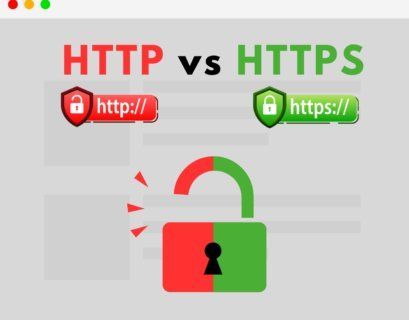
Encryption helps protect information by converting data into unreadable formats that can only be accessed by authorized users with appropriate credentials.
Encryption may be applied while data is being stored and while it is being transmitted between systems.
This additional layer of protection helps reduce the risk of unauthorized access.
Access Controls
Healthcare organizations must ensure that only authorized individuals can access sensitive information.
Access control measures may include:
- User authentication
- Role-based permissions
- Multi-factor authentication
- Account monitoring
These controls help limit access to individuals who require information for legitimate healthcare purposes.
Audit Logging and Monitoring
Activity tracking allows organizations to monitor how data is accessed and used.
Audit logs can help identify unusual activity patterns, support investigations, and demonstrate accountability within healthcare environments.
Monitoring tools also contribute to broader cybersecurity and compliance efforts.
Benefits of Cloud Storage for Healthcare Data Management
Cloud technology offers several advantages when implemented within secure healthcare environments.
One major benefit is accessibility. Authorized healthcare professionals can access necessary information more efficiently, supporting patient care and operational workflows.
Another advantage is scalability. As healthcare organizations grow, cloud environments can often accommodate increasing data requirements without extensive infrastructure expansion.
Additional benefits may include:
- Improved data availability
- Enhanced disaster recovery capabilities
- Better collaboration across teams
- Simplified data management processes
- Greater operational flexibility
These advantages have contributed to growing interest in cloud-based healthcare solutions.
The Role of Disaster Recovery and Business Continuity
Healthcare organizations depend on continuous access to critical information.
Unexpected disruptions such as system failures, natural disasters, or cybersecurity incidents can affect operations and patient care.
Cloud-based storage environments often support disaster recovery strategies by maintaining redundant copies of important data and enabling recovery procedures when necessary.
Business continuity planning helps organizations maintain access to essential information while minimizing operational disruptions.
As healthcare services increasingly rely on digital systems, resilience has become an important aspect of data management planning.
Challenges Associated With Healthcare Cloud Storage
While cloud technology provides many benefits, organizations must also address potential challenges.
One challenge involves maintaining compliance with evolving privacy and security requirements. Healthcare organizations must continuously evaluate policies, procedures, and technical controls to ensure appropriate protection of sensitive information.
Additional considerations may include:
- Data governance requirements
- Third-party risk management
- User training needs
- Cybersecurity preparedness
- System integration complexity
Successfully managing these factors requires a combination of technology, processes, and organizational oversight.
Best Practices for Secure Healthcare Data Management
Implementing cloud storage is only one part of a broader security strategy.
Healthcare organizations often strengthen data protection through a combination of administrative, technical, and operational practices.
Important best practices include:
- Conducting regular security assessments
- Maintaining strong access management policies
- Monitoring system activity continuously
- Providing employee security awareness training
- Developing incident response procedures
- Reviewing data retention policies
These measures help create a more comprehensive approach to information protection.
Security is most effective when viewed as an ongoing process rather than a one-time implementation effort.
How Cloud Storage Supports Modern Healthcare Operations
Modern healthcare environments depend on timely access to information.
Cloud-based systems can support a variety of operational functions, including patient care coordination, clinical documentation, administrative workflows, and healthcare analytics.
As organizations adopt telehealth services, remote collaboration tools, and digital health technologies, secure cloud storage becomes increasingly important.
Connected healthcare ecosystems require reliable methods for storing and sharing information while maintaining privacy protections.
Cloud infrastructure helps support these evolving operational requirements while providing greater flexibility than many traditional storage approaches.
Future Trends in Healthcare Data Storage
Healthcare data management continues to evolve as technology advances.
Several trends are expected to influence future cloud storage strategies.
Artificial Intelligence and Data Analytics
Healthcare organizations increasingly use analytics tools to identify patterns, improve operational efficiency, and support decision-making.
Secure cloud environments help provide the infrastructure needed to manage large volumes of healthcare data used in analytical applications.
Expanded Digital Health Services
Telehealth, remote patient monitoring, and connected healthcare technologies continue to generate additional data that requires secure storage and management.
As digital health adoption grows, cloud-based infrastructure is likely to play an increasingly important role.
Enhanced Security Technologies
Cybersecurity technologies continue to advance in response to evolving threats.
Future cloud environments may incorporate more sophisticated monitoring, threat detection, and automated security capabilities designed to strengthen healthcare data protection.
Conclusion
HIPAA cloud storage has become an important component of modern healthcare data management. As healthcare organizations continue transitioning toward digital operations, secure cloud environments provide a practical framework for storing, protecting, and accessing sensitive patient information.
By combining strong security controls, effective governance practices, and ongoing compliance efforts, healthcare providers can support both operational efficiency and patient privacy. While challenges related to security, compliance, and risk management remain important considerations, cloud technology continues to play a significant role in helping healthcare organizations manage information in an increasingly connected digital landscape.
Understanding the principles behind HIPAA cloud storage allows healthcare stakeholders to make more informed decisions about protecting valuable healthcare data while supporting the evolving needs of modern healthcare delivery.

Related Post...

AI-Powered Business Phone System: Explore How Intelligent Calling Works
Updated: September 24, 2026
Read More
Smart Office Automation Controller Systems: Explore How Centralized Control Works
Updated: October 02, 2026
Read More
Warehouse Automation Robotics Systems: Discover Smarter Picking Methods
Updated: September 15, 2026
Read More